Glute kickback machine
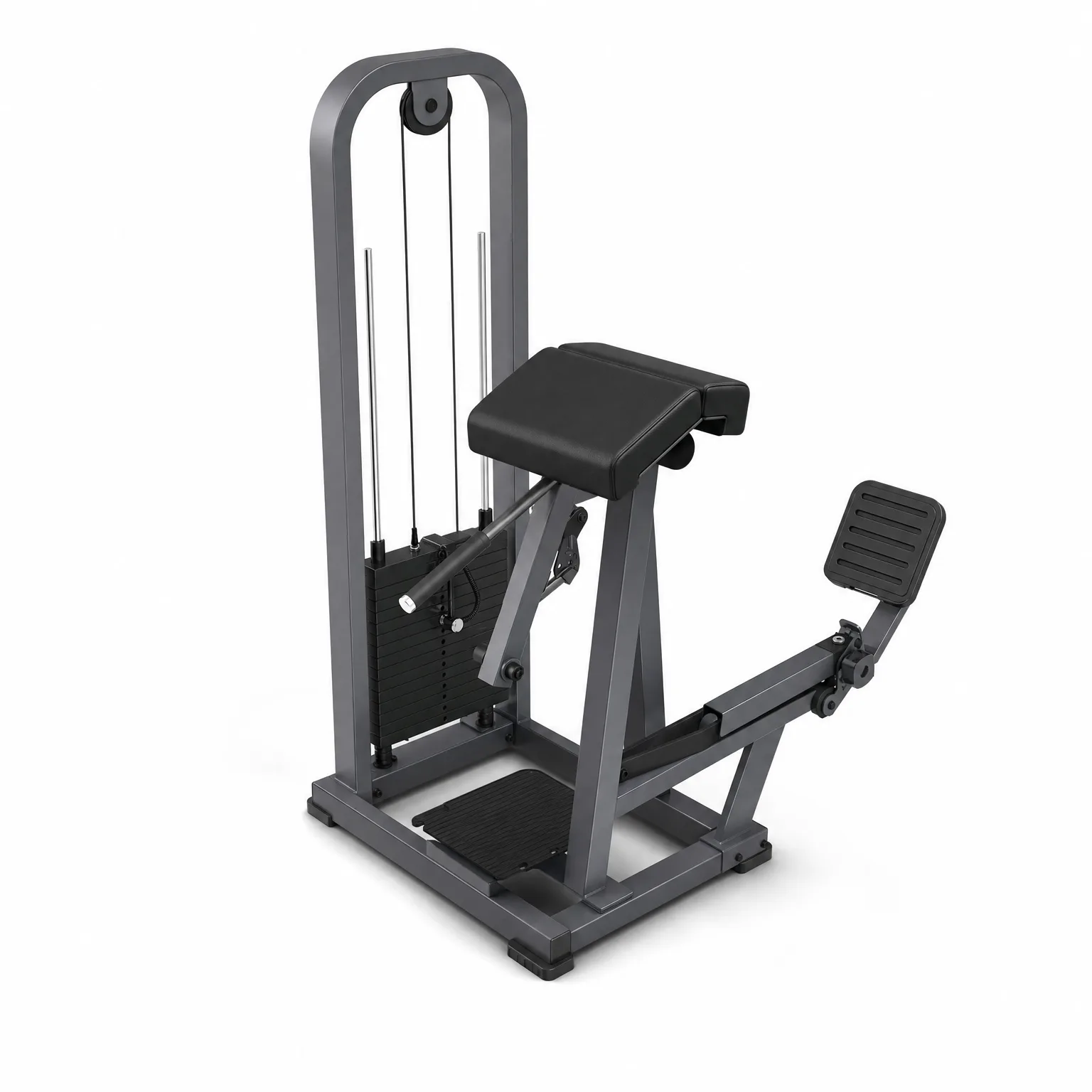
A machine where you push a footplate or pad back with one leg while the torso rests on a support. It trains one glute at a time.
In short
A glute kickback machine is a station where you lean your chest or forearms on a pad and push one leg back against a footplate or a roller. The movement is hip extension: the thigh travels from under the body to behind it. It trains the gluteus maximus, with the hamstrings helping.
It works one leg at a time, so each side has to do its own share, and the support removes most of the balance needed for the same exercise on a cable. Loads are small compared with a hip thrust or a leg press. It suits beginners and is mostly used as an extra glute exercise after the heavier lifts.
- Category
- Gym machines
- Where
- Gym
- Level
- Beginner and up
- Space
- Needs a dedicated area
- Typical sizes
- Footprint about 1.2–1.6 m x 0.9–1.2 m (4–5.2 x 3–4 ft); stack or plate load varies by model
- Also called
- kickback machine, glute machine, donkey kick machine, rear kick machine, glute press machine, butt blaster, standing kickback machine
Muscles it works
- Main
- Glutes
- Also works
- Hamstrings
What it is used for
- Single-leg hip extension for the glutes
- Comparing left and right and giving the weaker side equal work
- Higher-rep glute work after squats, deadlifts or hip thrusts
- Glute training with no load on the shoulders or spine
Types
Standing kickback. You stand on one leg, lean on a chest pad and push a footplate or roller back and up with the other. The most common type.
Kneeling donkey kick. You kneel on a pad on forearms and one knee and press a plate up with the sole of the other foot.
Plate-loaded lever. A lever arm loaded with plates. The resistance changes through the arc depending on the lever's design.
Multi-hip machine. A standing station with a roller pad that can be set for kickbacks, hip flexion and side raises of the leg.
How to choose
Set the chest pad
Adjust the pad so you lean forward by 30–45 degrees with a flat back and the hips square to the machine. If you stand too upright, the leg has little room to travel before the lower back starts to arch.
Place the foot or the pad
On a footplate machine, the middle of the foot goes on the plate with the heel doing the pushing. On a roller machine, the pad sits just above the back of the ankle or behind the knee, as the model is built. It should not slide during the rep.
Set the start position
If the machine has a range adjuster, set the start so the working knee is under or slightly in front of the hip. Starting too far forward rounds the lower back. Starting too far back removes half the range.
Choose a light load
Start near the top of the stack and do 12–15 reps per leg. The right load lets you hold the top position for a second with the hips still square.
How to start using it
- Brace against the support. Hold the handles, rest the chest or forearms on the pad and tighten the stomach. Keep a slight bend in the standing knee.
- Push back with the heel. Drive the working leg back and slightly up, leading with the heel. Stop when the thigh is in line with the torso or just past it and the glute is fully tight. Pause for one second.
- Keep the hips square. Both hip bones stay pointing at the floor or the pad. The pelvis does not rotate open and the lower back does not arch to gain height.
- Return slowly. Bring the leg back over two to three seconds to the start. Stop before the stack touches down. Finish all reps on one side, then switch.
Common mistakes
Arching the lower back
Swinging the leg higher by bending the spine moves the work from the glute to the lower back. End the rep where the hip stops extending.
Opening the hip to the side
Rotating the pelvis so the working hip lifts lets the leg go higher while the glute works less. Keep both hips level.
Kicking instead of pushing
A fast kick throws the weight and lets it fall back. Push smoothly, pause, and lower under control.
Too much weight
A heavy stack shortens the range and brings the back in. This is a moderate-load exercise for sets of 10–20.
Locking the standing knee
Standing on a rigid, locked leg makes it harder to stay stable. Keep the knee soft and the weight on the whole foot.
What to use instead
A cable machine with an ankle cuff on the lowest pulley gives the same kickback and is the closest match. Ankle weights or a mini band around the feet or above the knees load a kickback done on all fours on a mat. With no equipment, slow donkey kicks and single-leg glute bridges on a mat train the same movement with body weight.
-
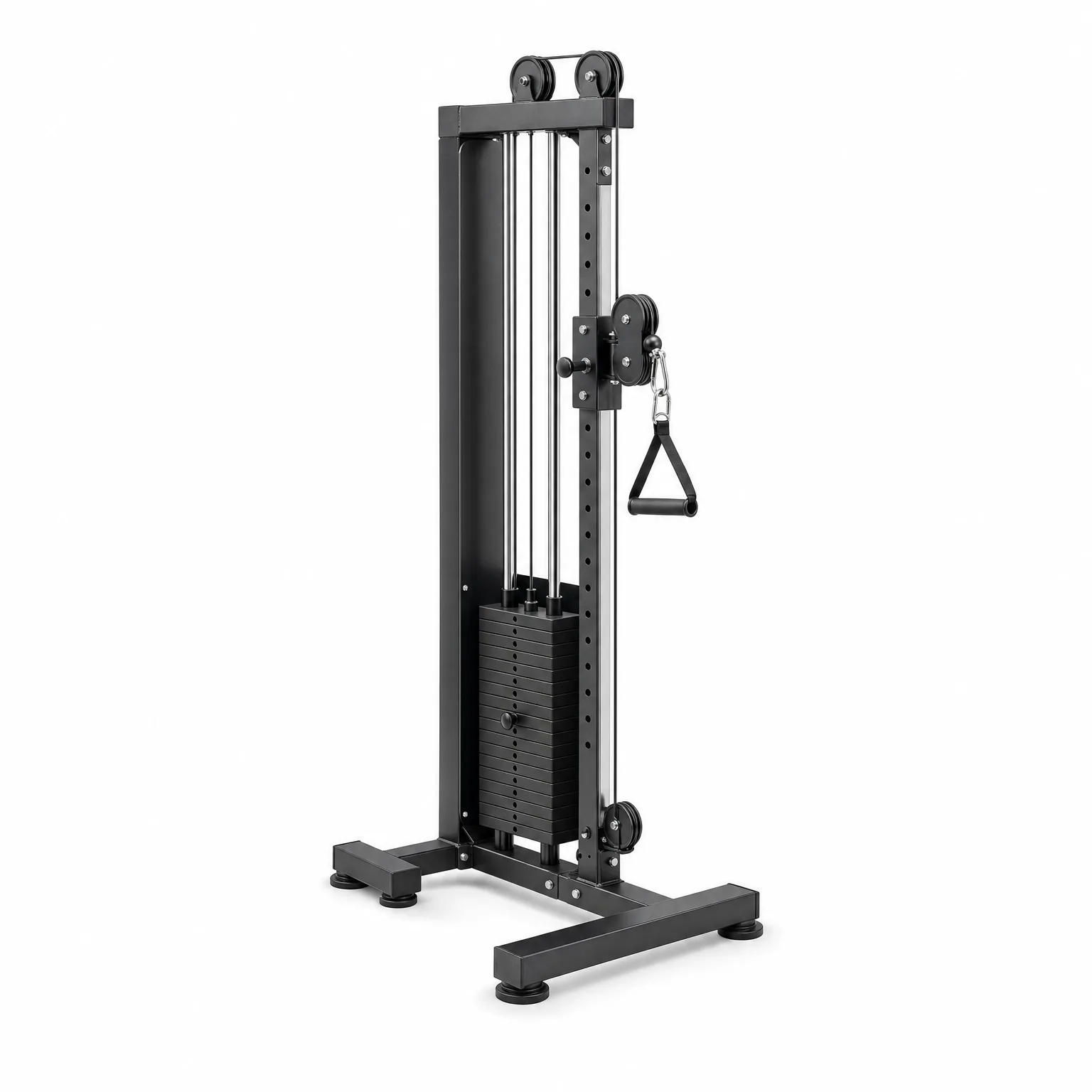
Cable machine
A weight stack on a pulley with a handle you can set at any height. It keeps tension on the muscle through the whole movement. -
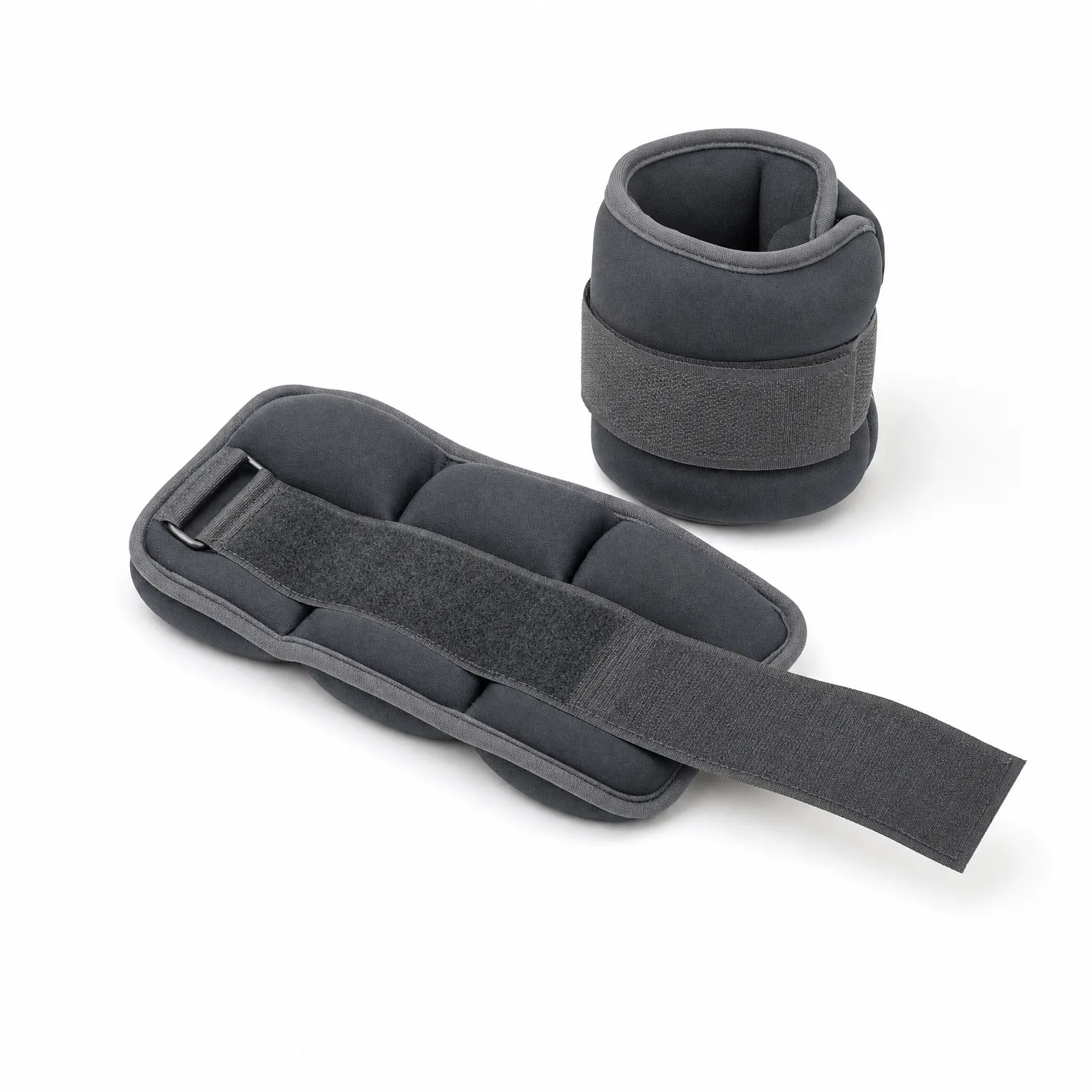
Ankle weights
Weighted cuffs that strap around the ankles. They add light resistance to leg raises, kickbacks and other floor and standing leg work. -
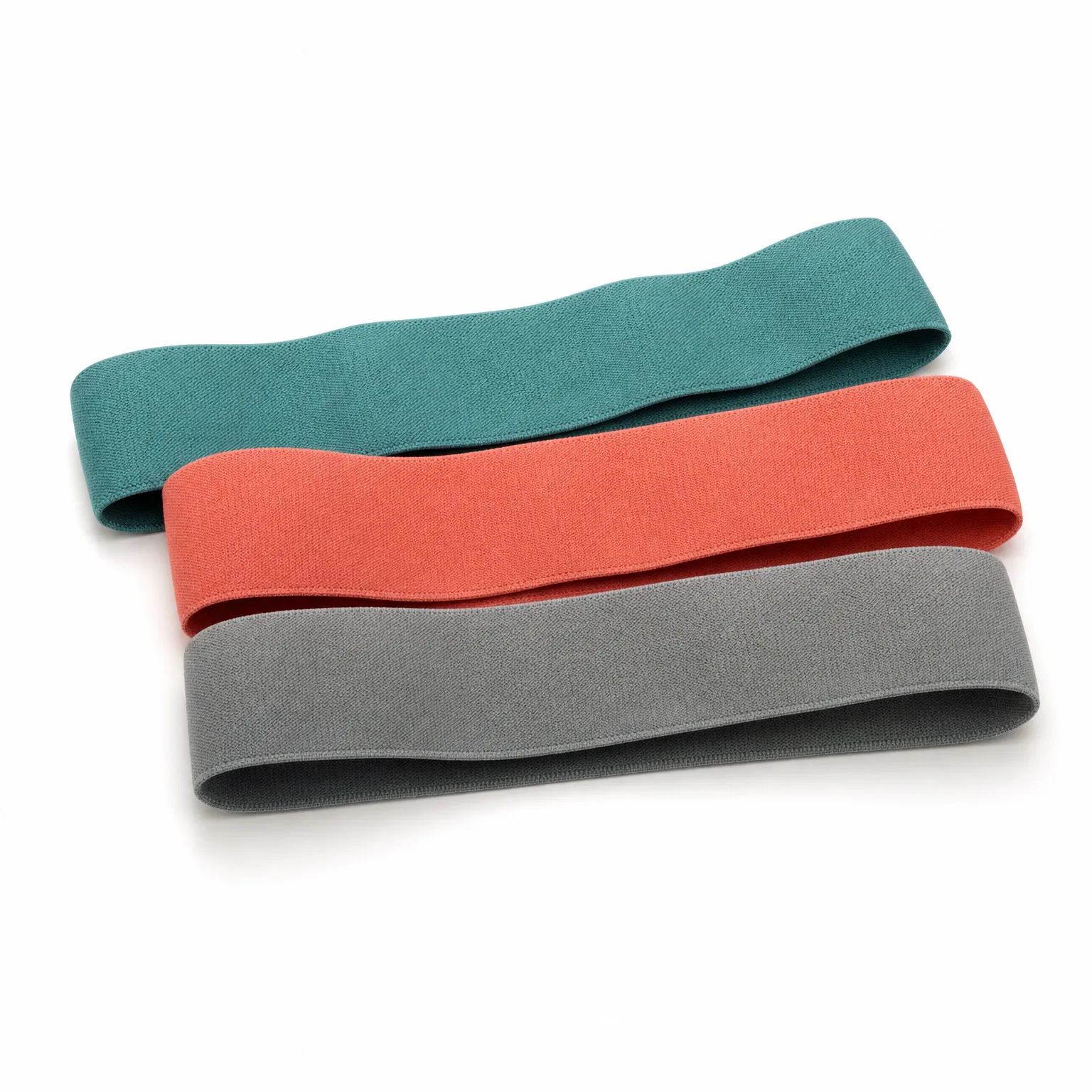
Mini bands
Short elastic loops worn around the thighs, knees or ankles. Used for glute and hip exercises and for warm-ups. -

Exercise mat
A cushioned, non-slip surface for floor exercises, stretching and yoga. The first thing most people need to train at home.
Often used with
-
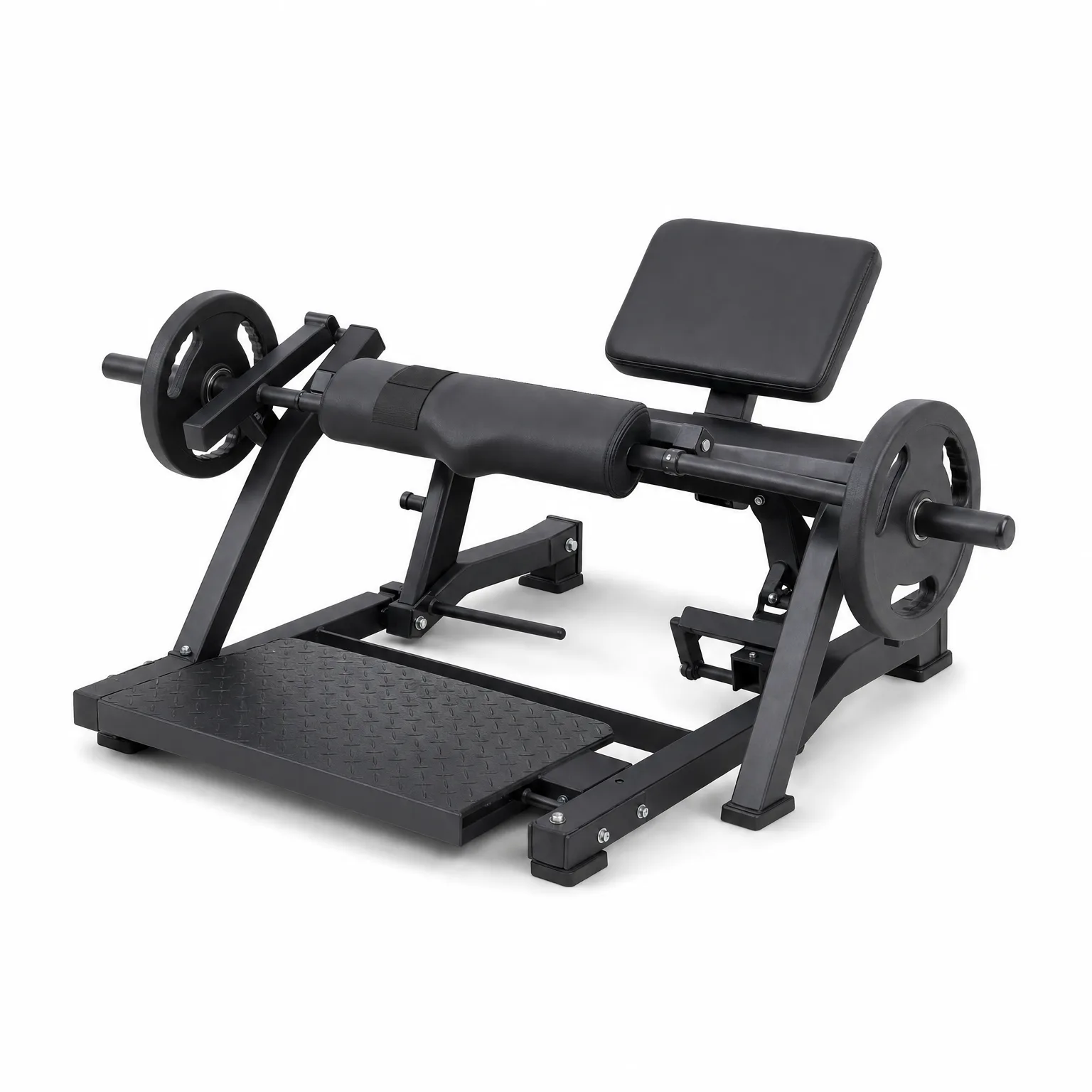
Hip thrust machine
A machine with a back pad, a footplate and a padded belt or bar across the hips. It loads the hip thrust without a barbell setup. -
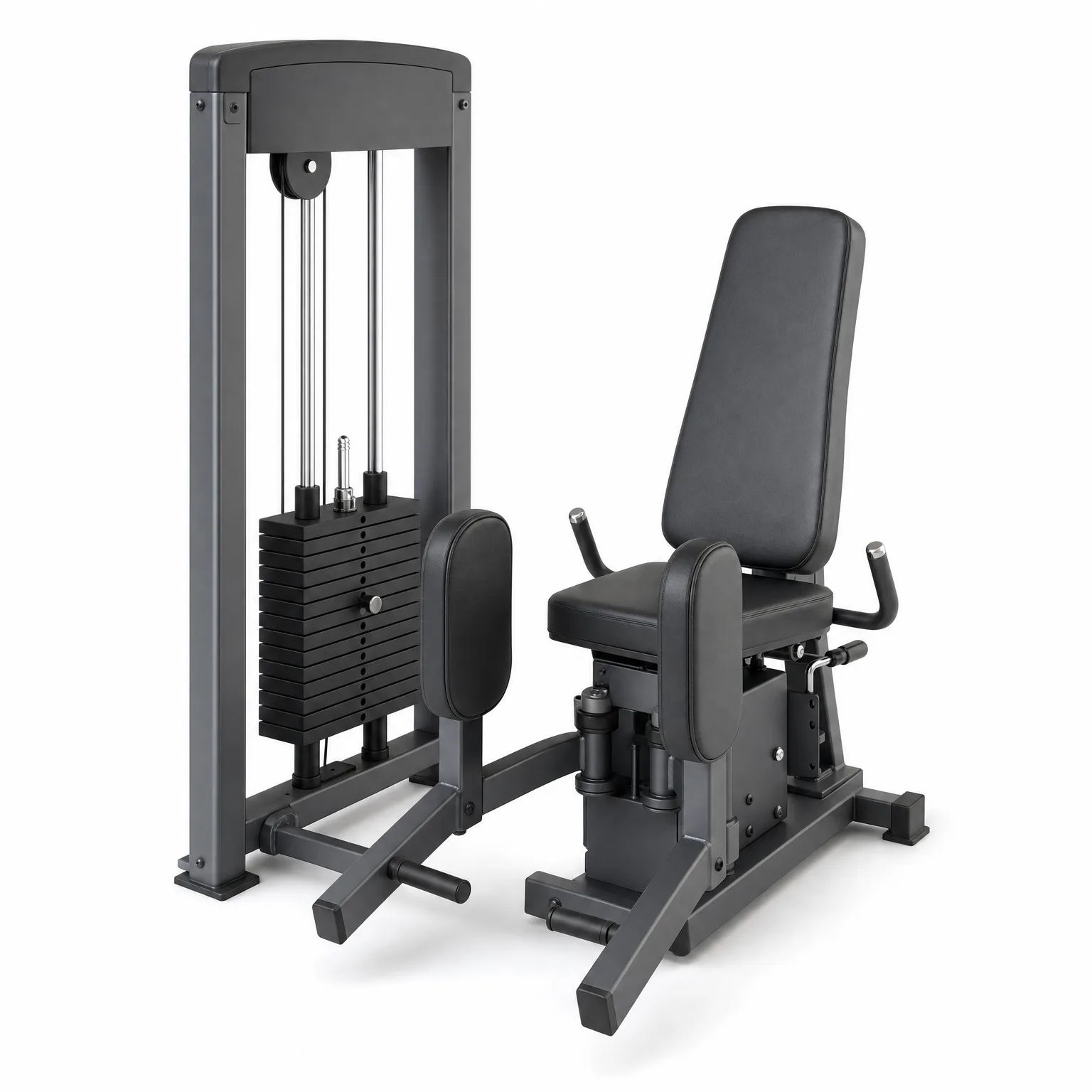
Hip abduction and adduction machine
A seat with two padded levers at the knees. Push the legs apart for the outer hips, squeeze them together for the inner thighs. -
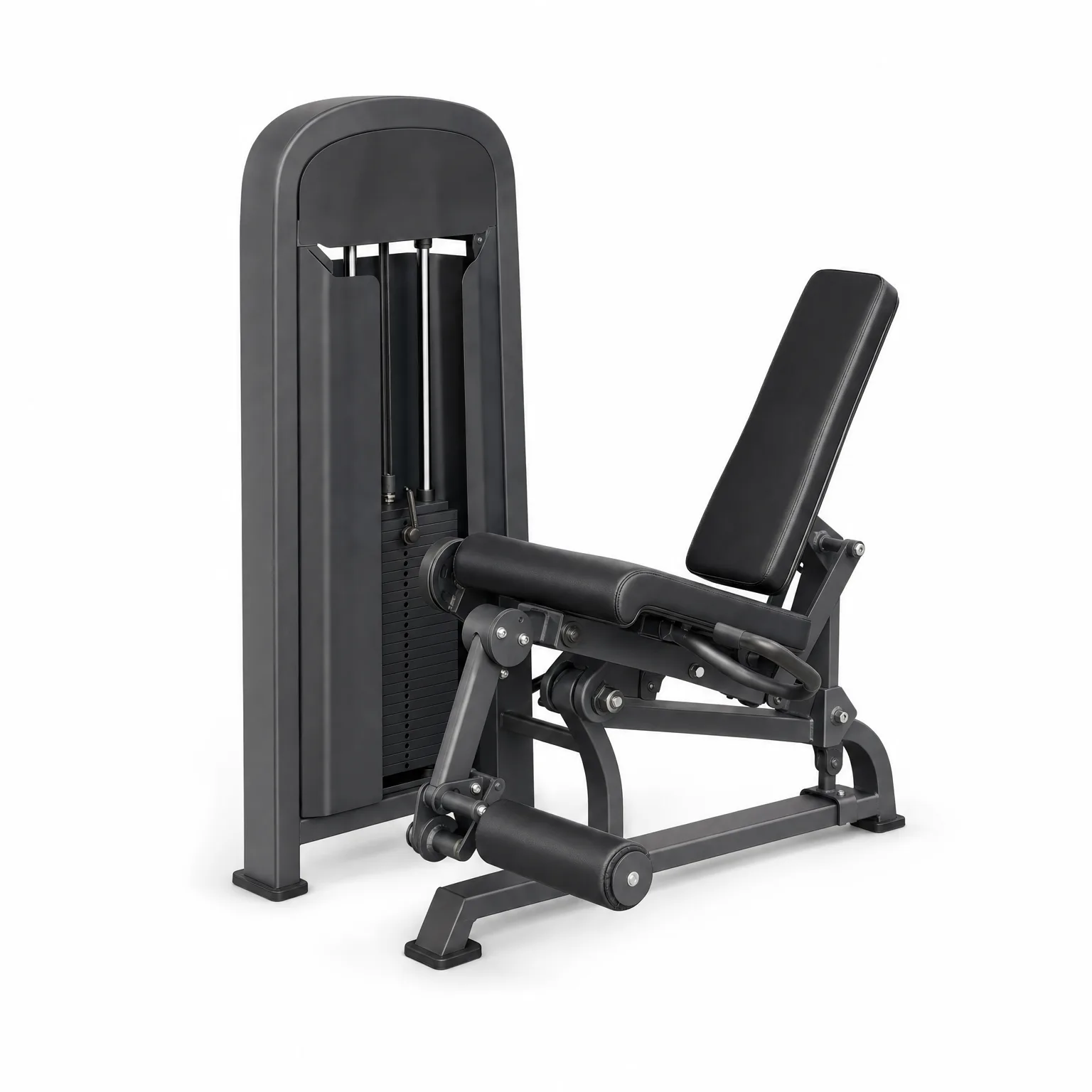
Leg curl machine
A machine with a padded roller behind the ankles. You bend the knees against the load to isolate the hamstrings.
Questions about glute kickback machine
What muscles does the glute kickback machine work?
Mainly the gluteus maximus of the working leg. The hamstrings assist in extending the hip. The trunk muscles and the glutes of the standing leg hold the pelvis steady.
Is the glute kickback machine effective?
It is a useful extra exercise: it trains hip extension one leg at a time with a clear squeeze at the end of the range. It allows far less load than hip thrusts, squats or deadlifts, so it works best as an addition to those lifts, not a replacement.
Glute kickback machine vs cable kickback: which is better?
They train the same movement. The machine supports the body and guides the leg, so it is easier to learn and to load. The cable needs only an ankle cuff, lets you change the angle of the kick and asks more of your balance.
How many reps should I do on the kickback machine?
Most people do 2–3 sets of 10–20 reps per leg, toward the end of a leg or glute session. Choose a load that lets you pause at the top of each rep with the hips square.
Glute kickback machine vs hip thrust: what is the difference?
The hip thrust uses both legs, takes heavy loads and is a main lift for the glutes. The kickback is a single-leg movement with a light load. They are usually done in the same program: thrusts first, kickbacks after.
Build programs around what your client has
This guide comes from OnlineFitness.app, the app online coaches run their clients in.
Free for life for the first 100 coachesNo card