Hip thrust machine
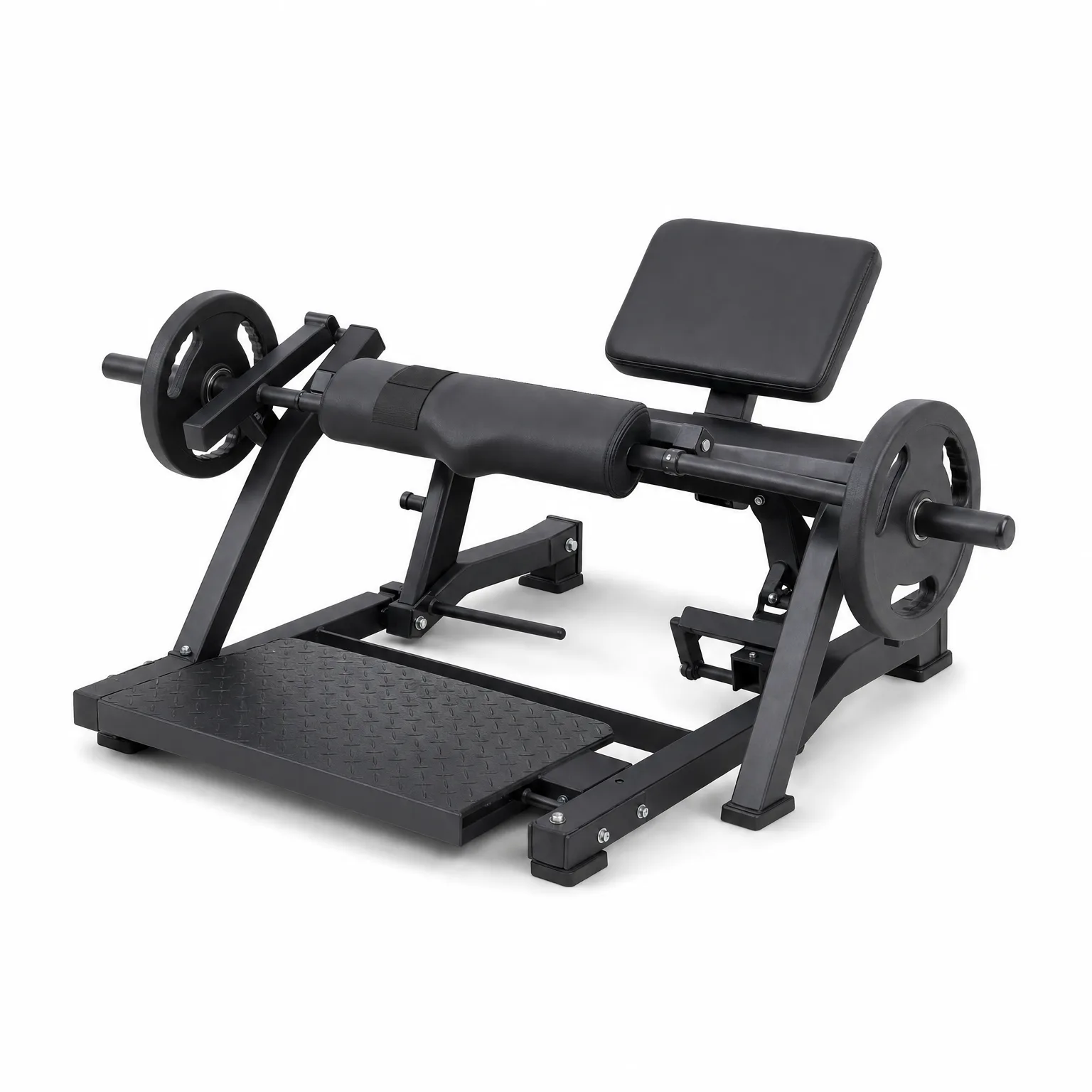
A machine with a back pad, a footplate and a padded belt or bar across the hips. It loads the hip thrust without a barbell setup.
In short
A hip thrust machine is a station built for one exercise: you lean your upper back on a pad, put your feet on a plate and push your hips up against a padded belt or lap bar that carries the load. It trains the gluteus maximus, with the hamstrings, quads and inner thighs helping.
It does the same job as a barbell hip thrust on a hip thrust bench, but the weight is already in place. There is no bar to roll over the legs, no pad to balance and no bench that can slide. That makes it quicker to set up and easier to learn. A bench with a barbell takes less space and suits home gyms.
- Category
- Gym machines
- Where
- Gym
- Level
- Beginner and up
- Space
- Needs a dedicated area
- Typical sizes
- Footprint about 1.6–2.0 m x 1.2–1.6 m (5.2–6.6 x 4–5.2 ft); plate-loaded or with a weight stack
- Also called
- glute bridge machine, hip thruster machine, glute thrust machine, plate loaded hip thrust, hip thrust, glute machine
Muscles it works
- Main
- Glutes
- Also works
- Hamstrings, Quads, Adductors
What it is used for
- Loaded hip thrusts for glute strength and size
- Glute bridges with a shorter range and a pause at the top
- Single-leg thrusts with a light load
- High-rep glute work at the end of a leg session
Types
Plate-loaded with belt. You lie against a pivoting back pad and fasten a wide padded belt over the hips. Lever arms on both sides carry the plates. The most common type.
Selectorized. A weight stack and pin with a padded lap bar or belt. Quick to change load, with smaller jumps.
Standing or kneeling thrust. You push the hips forward into a pad from a standing or kneeling position. A different feel with the same hip extension.
Lap-bar lever. A padded roller on a lever arm lowers onto the hips instead of a belt. Faster to get into, with less freedom to shift position.
How to choose
Set the back pad
The edge of the back pad should sit just below the shoulder blades. On machines with an adjustable or pivoting pad, set it so your upper back rests on it and your head and neck can follow the torso as it tilts.
Place the feet for vertical shins
Put the feet flat on the plate about hip width apart, toes slightly out. At the top of the rep the shins should be vertical. Feet too far away shift the work to the hamstrings. Feet too close shift it to the quads.
Position the belt on the hip crease
The belt or bar goes across the crease of the hips, below the hip bones, not on the stomach. Tighten it so it does not slide when you lower.
Begin with the empty machine
The lever arms have weight of their own. Do a set of 10–12 with no plates to find your foot position, then add load in small steps.
How to start using it
- Get in and strap down. Sit on the seat or the floor pad, lean the upper back on the back pad and fasten the belt over the hip crease. Put both feet on the plate. If the machine has a release handle, unlock it once you are braced.
- Tuck the chin and ribs. Look forward, not at the ceiling, and keep the ribs pulled down. The torso from shoulders to hips should move as one piece.
- Push through the heels. Drive the hips up until the torso and thighs form a straight line, parallel to the floor. Squeeze the glutes and hold for one second. Do not go higher by arching the lower back.
- Lower with control. Bring the hips down over about two seconds until they are well below the knees, then go straight into the next rep without resting on the seat.
- Lock the machine before you unstrap. At the end of the set, lower the load fully or engage the lock, then release the belt.
Common mistakes
Arching the lower back at the top
Pushing the ribs up to get extra height moves the work from the glutes to the lower back. Stop when the hips are level with the knees and shoulders, with the ribs down.
Feet in the wrong place
If you feel the set mainly in the hamstrings, move the feet closer. If you feel it mainly in the quads, move them farther away. Vertical shins at the top are the guide.
Rising onto the toes
Heels lifting off the plate shifts the push to the calves and quads. Keep the whole foot down and press through the heels.
Short bouncing reps
Small fast pulses near the top with a heavy load miss both the bottom of the range and the pause. Lower fully and stop at the top of each rep.
Belt on the stomach
A belt that sits too high presses into the abdomen and slides. Set it on the hip crease before you add load.
What to use instead
A hip thrust bench with a barbell and a pad is the classic version and loads the glutes the same way. A Smith machine with a bench keeps the bar on a fixed track, which makes it easier to get in and out. At home, rest the upper back on the edge of a sofa and thrust with a dumbbell, a loaded backpack or a band over the hips, or do single-leg thrusts with body weight.
-
Hip thrust bench
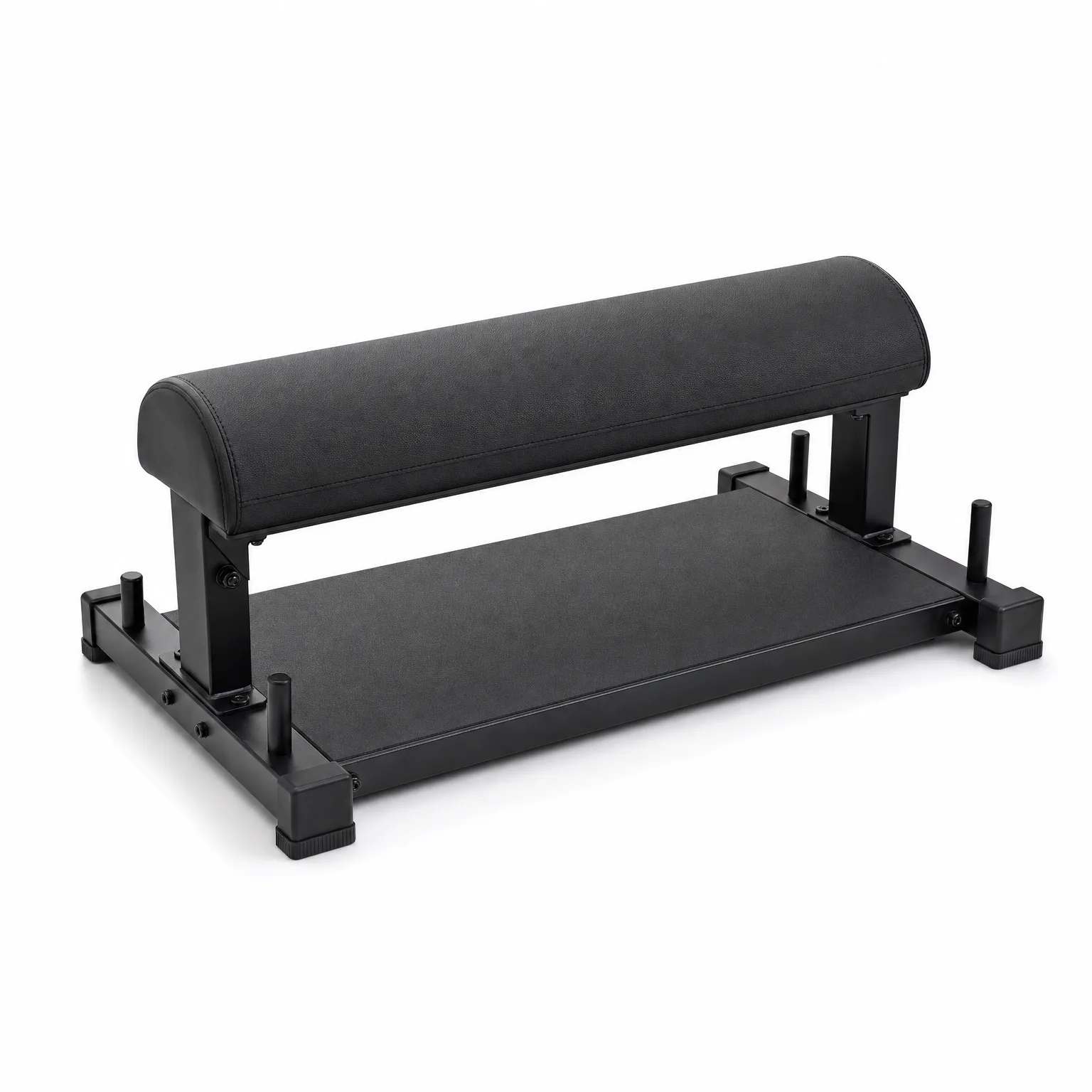
A low padded bench at the right height for barbell hip thrusts, often on a platform with band pegs. Trains the glutes. -

Barbell
A long steel bar loaded with plates at both ends. The standard tool for squats, deadlifts, presses and rows with heavy weight. -
Smith machine
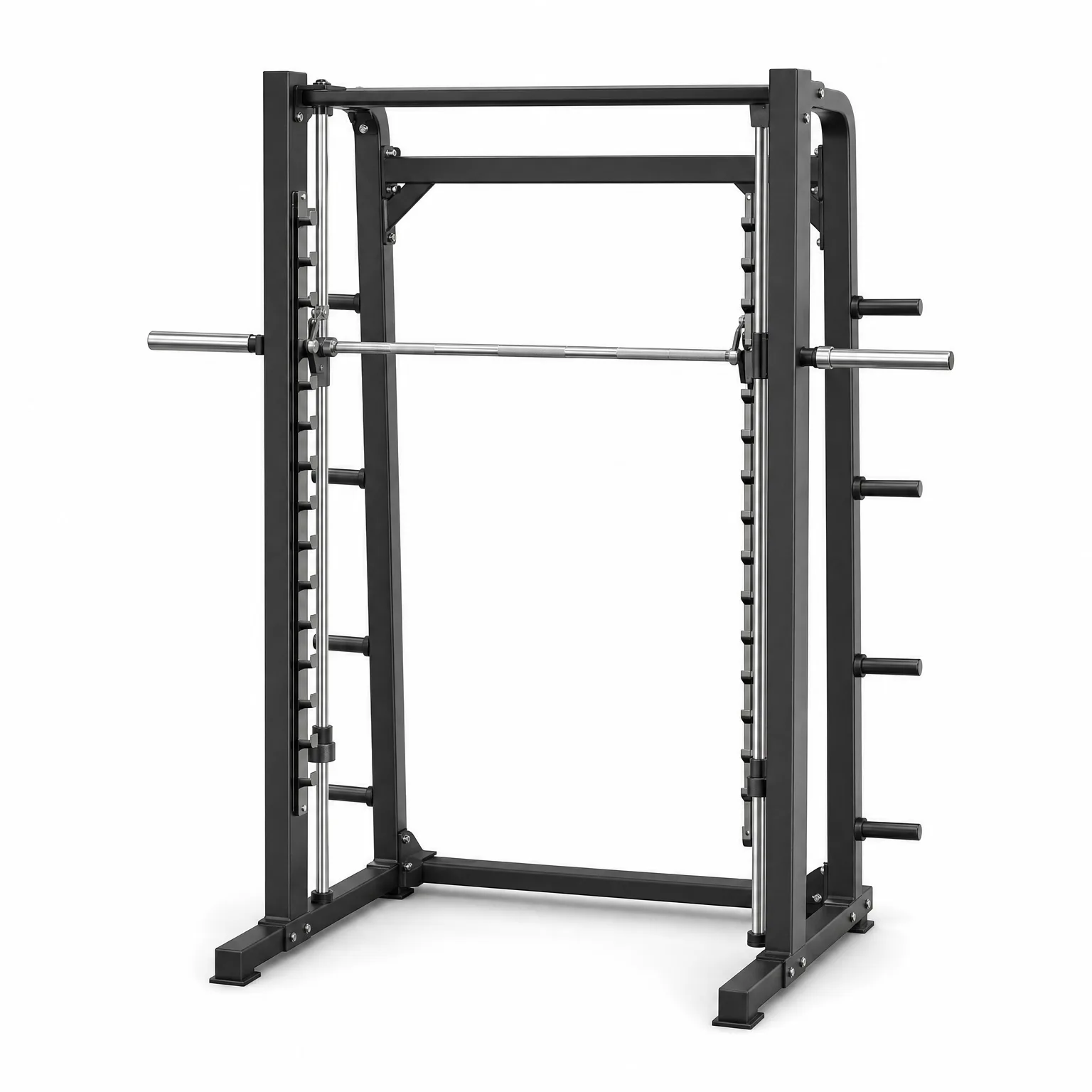
A barbell that slides on fixed guide rails, with hooks that lock at many heights. Used for squats, presses and rows without a spotter. -
Sofa
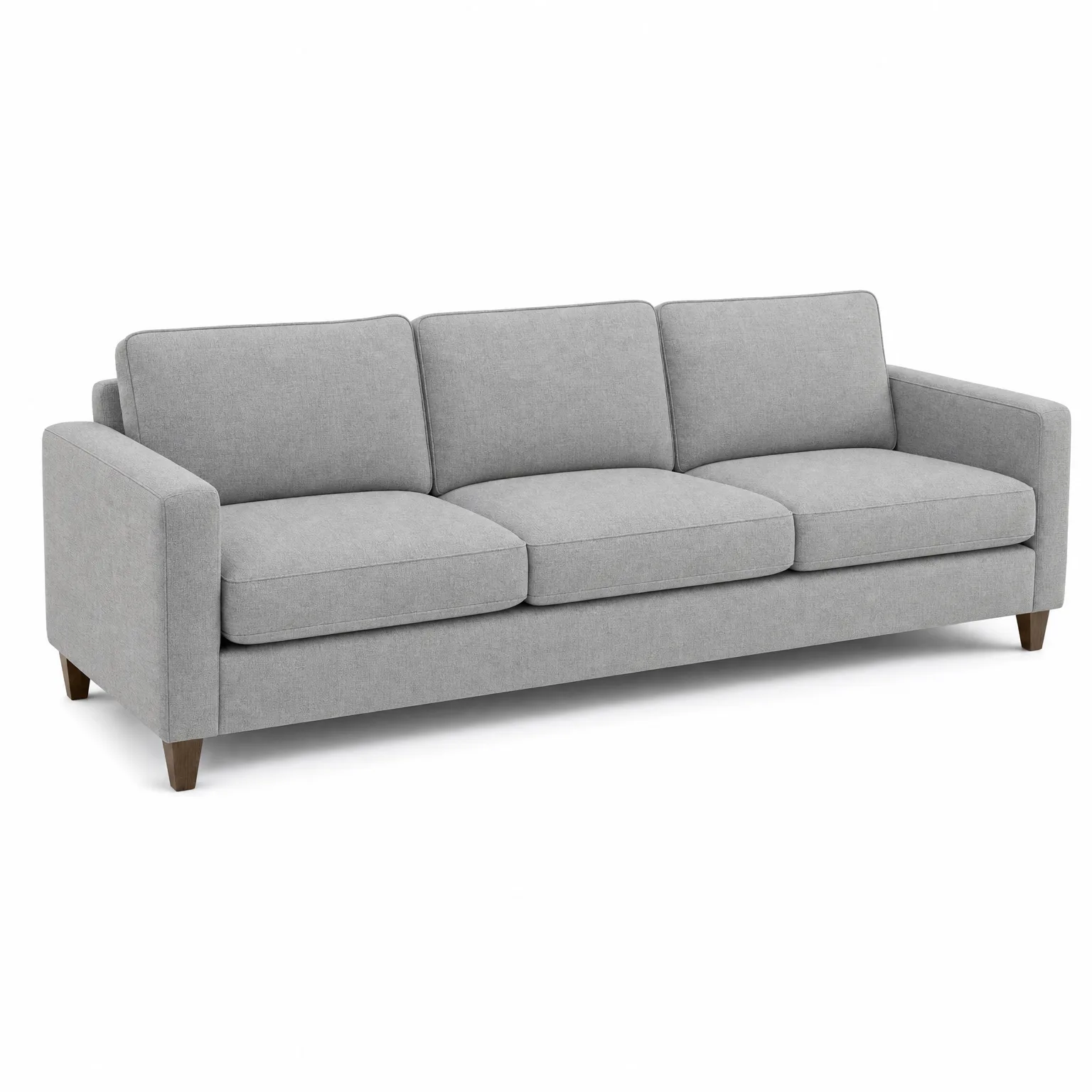
A sofa is a heavy, padded, knee-high platform: good for hip thrusts, split squats, incline push-ups and anchoring the feet for ab work.
Often used with
-
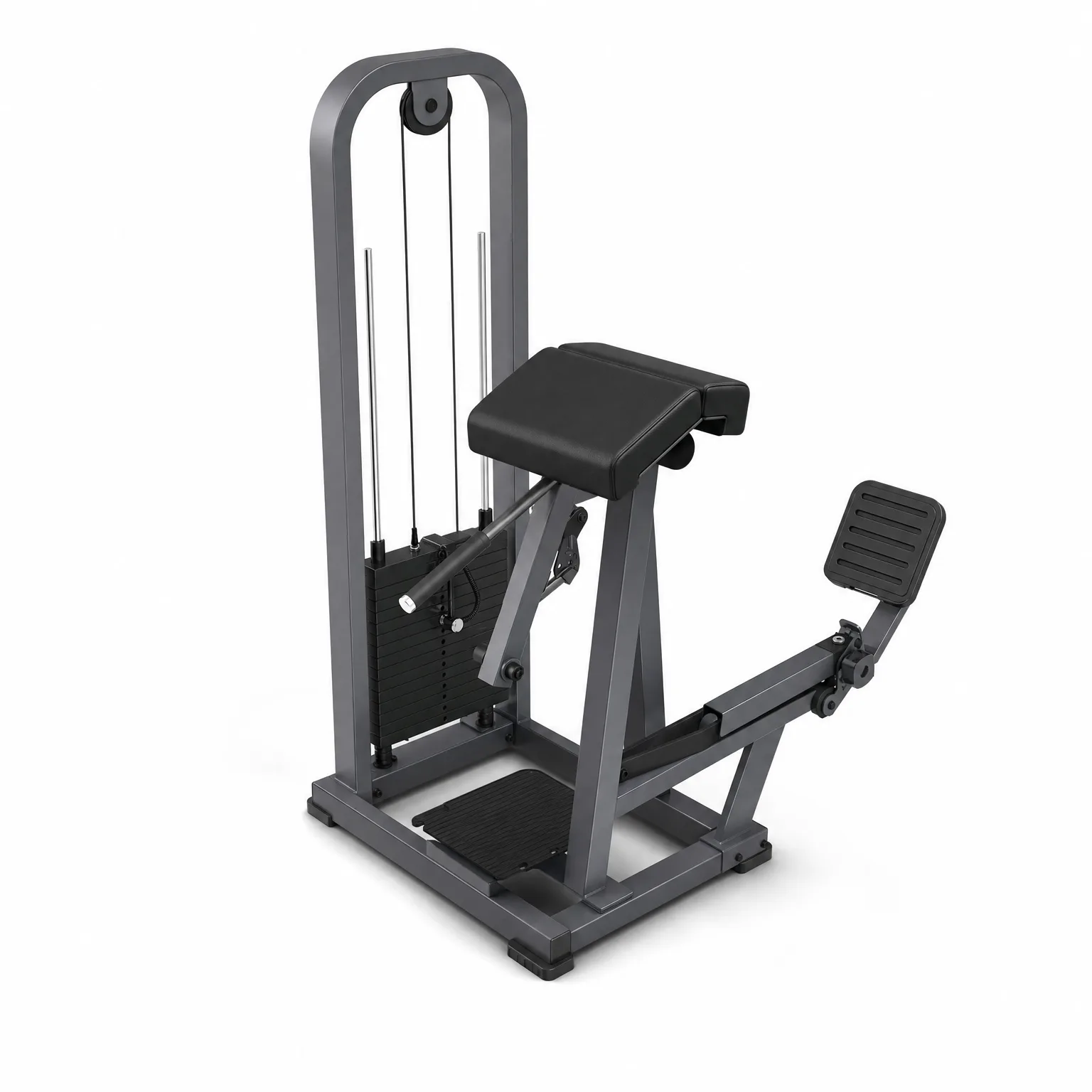
Glute kickback machine
A machine where you push a footplate or pad back with one leg while the torso rests on a support. It trains one glute at a time. -
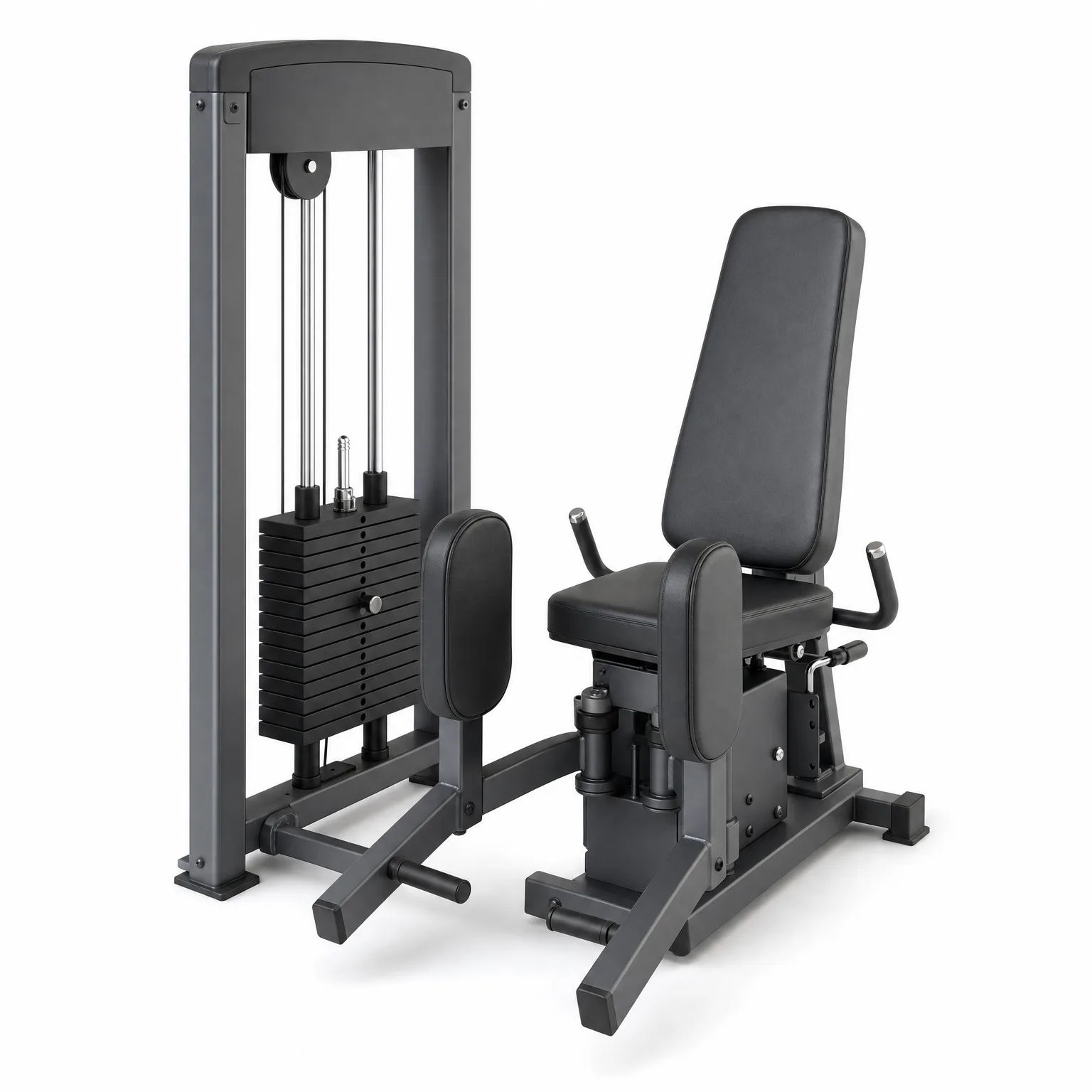
Hip abduction and adduction machine
A seat with two padded levers at the knees. Push the legs apart for the outer hips, squeeze them together for the inner thighs. -
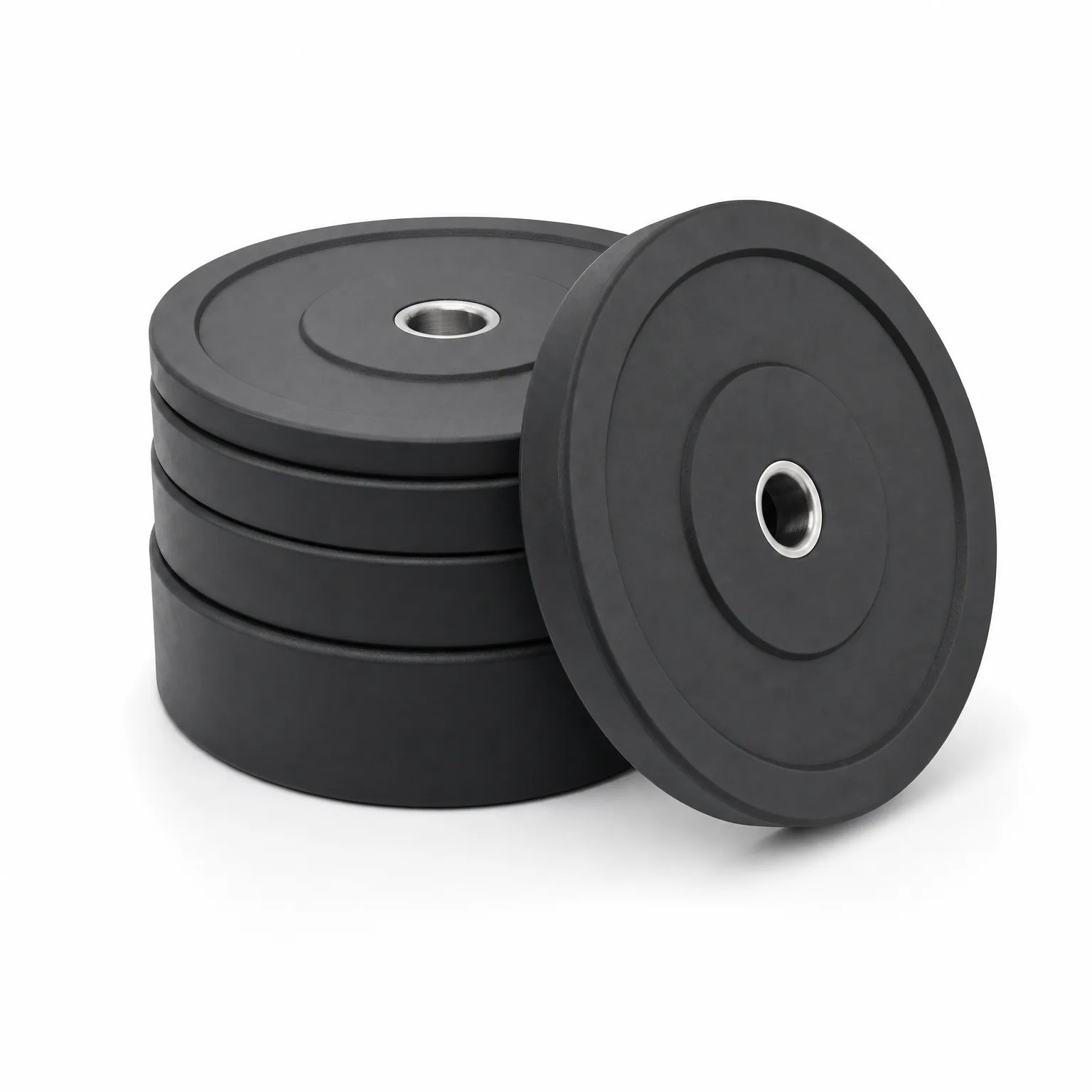
Weight plates
Flat discs that slide onto a barbell or machine to set the load. A single plate also works as a hand-held weight. -
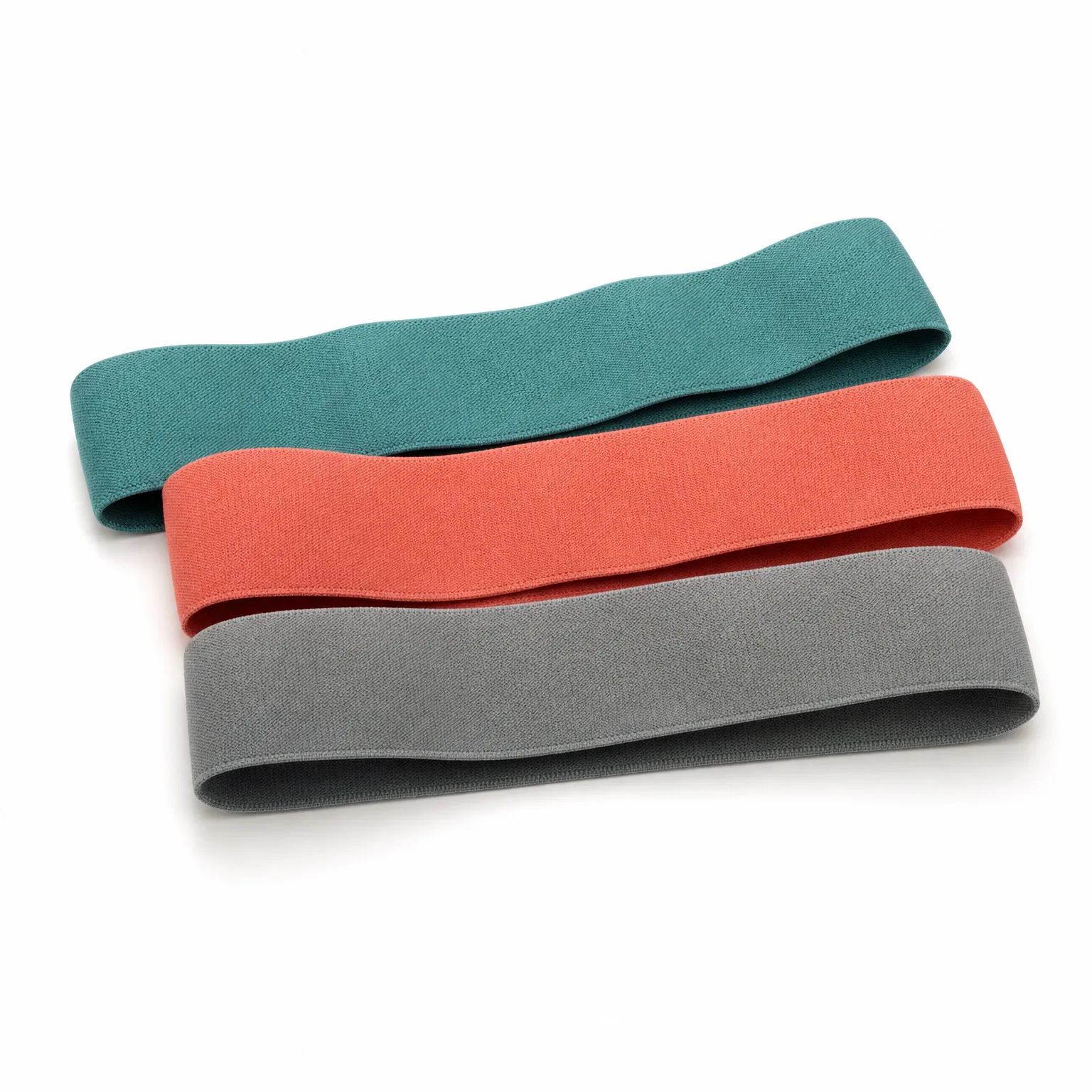
Mini bands
Short elastic loops worn around the thighs, knees or ankles. Used for glute and hip exercises and for warm-ups.
Questions about hip thrust machine
Hip thrust machine vs barbell hip thrust: which is better?
They train the same muscles. The machine is faster to set up, more comfortable on the hips and steadier, which helps beginners and heavy sets. The barbell version needs only a bench, a bar and a pad, and is available in any gym. Choose by comfort and what your gym has.
What muscles does the hip thrust machine work?
Mainly the gluteus maximus. The hamstrings and inner thighs assist in extending the hips and the quads help hold the knee angle. Foot position changes the balance: farther away means more hamstrings, closer means more quads.
Where should my feet be on the hip thrust machine?
About hip width apart, toes turned out slightly, at a distance where the shins are vertical when the hips are fully up. Do a few reps with no load and move the feet a few centimeters at a time until you feel the glutes doing most of the work.
How much weight should I use on the hip thrust machine?
Start with the empty machine for 10–12 reps and add plates in small steps until the last two reps are hard and you can still pause at the top. Loads are not comparable with barbell hip thrusts or between machines, because the lever changes how heavy the plates feel.
How often should I do hip thrusts?
One to three times a week works for most people, with 2–4 sets of 8–15 reps each time. Leave at least a day between hard glute sessions.
Build programs around what your client has
This guide comes from OnlineFitness.app, the app online coaches run their clients in.
Free for life for the first 100 coachesNo card