Vertical climber
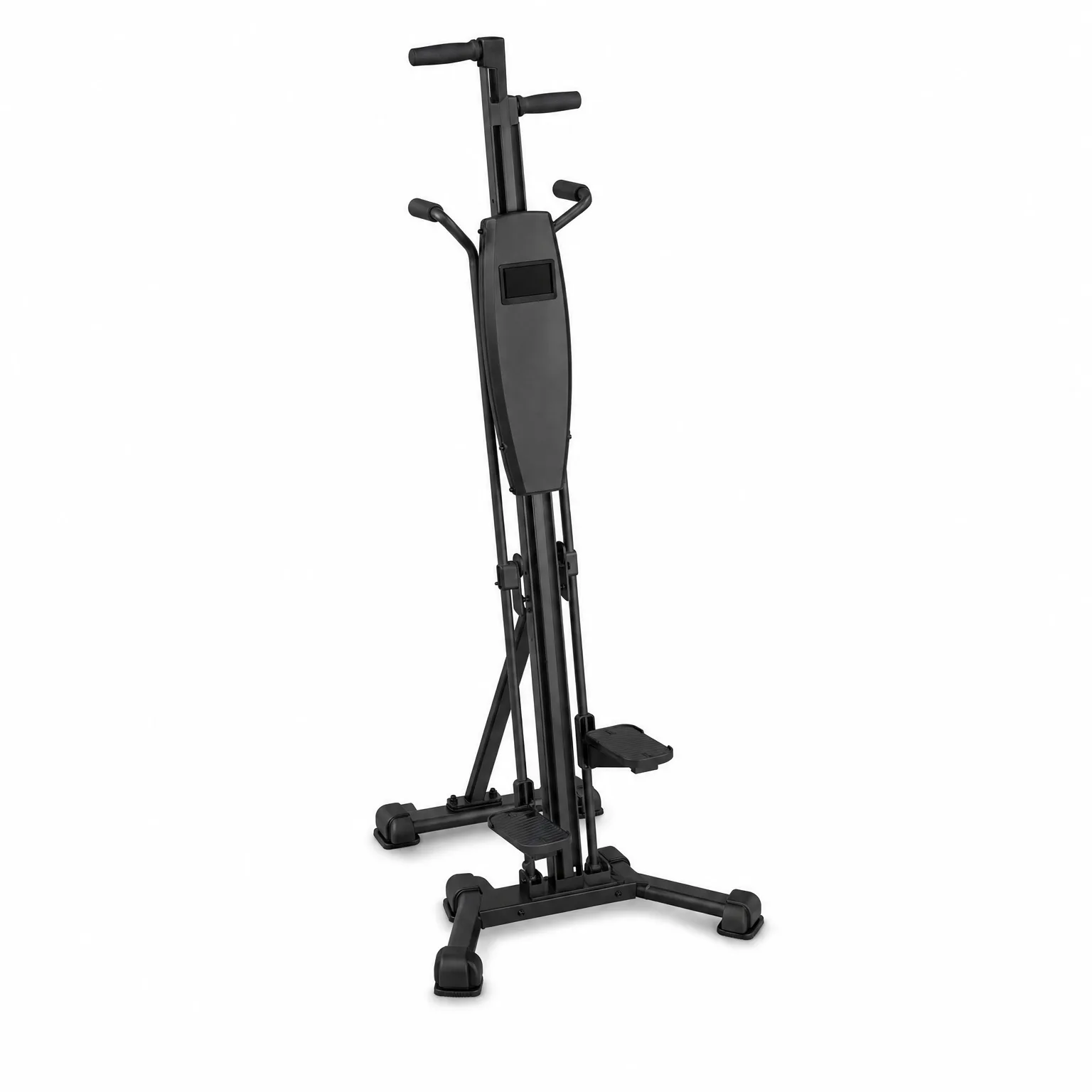
A tall cardio machine with pedals and handles that move up and down together. You climb in place with arms and legs at once.
In short
A vertical climber is an upright rail with two pedals and two handles. You stand on the pedals, hold the handles and move arms and legs up and down together, as if climbing a ladder that never ends. The legs push down while the arms pull and push, so most of the body works at once and the heart rate rises quickly.
The feet stay on the pedals, so there is no landing impact. It takes little floor space but needs ceiling height. The effort is high even at a slow pace, so it is mostly used for short sessions and intervals. Beginners can use it if they start with a minute or two at a time.
- Category
- Cardio
- Where
- Home, Gym
- Level
- Beginner and up
- Space
- Needs a corner of a room
- Typical sizes
- Footprint about 90–110 x 60–80 cm (35–43 x 24–31 in); height about 200–240 cm (79–94 in); step length up to about 50 cm (20 in)
- Also called
- climbing machine, climber machine, versaclimber, vertical climbing machine, vertical climber machine
Muscles it works
- Also works
- Hamstrings, Front delts, Biceps, Triceps, Abs
What it is used for
- Short, hard intervals for conditioning
- Whole-body cardio in a small floor area
- Steady climbing at a slow pace for 10–20 minutes
- A finisher of a few minutes after strength training
- Low-impact cardio in place of running or jumping
Types
Folding home climber. A light frame where your body weight is the resistance. Folds flat for storage. Handles and pedals are linked.
Commercial with resistance. A heavy rail with an adjustable brake and a display for feet climbed and pace. Found in gyms and studios.
Fixed-handle option. A second pair of handles that do not move. Holding them takes the arms out and puts the work on the legs.
Climber with seat or bike. A combination unit that adds a small saddle and pedals. Usually a compromise on both jobs.
How to choose
Measure the ceiling
At the top of each stroke your hand is well above your head. Add your standing reach to the pedal height and leave some spare. Many home models fit under a 2.4 m (8 ft) ceiling, but tall users and taller machines can need more, so check the stated requirement.
Check the handle height setting
The moving handles should adjust to your height so that the top hand reaches just above head level with the arm not fully locked. A wrong setting forces either a cramped or an over-stretched pull.
Look for stability
A climber is tall and narrow, and it rocks if the base is light. A wider base, a heavier frame and rubber feet help. The weight limit depends on the manufacturer's rating.
Decide if you need resistance
Body-weight models are enough for most people, since speed and step length set the effort. Adjustable resistance is useful for slower, heavier climbing and for several users of different fitness.
How to start using it
- Step on low. Bring one pedal to its lowest position, hold the fixed part of the frame or the handles, and step on with that foot first. Put the other foot on the higher pedal and let the two settle level.
- Stand tall and close. Keep the hips close to the rail, the chest up and the eyes forward. A slight forward lean from the ankles is fine. The whole foot stays on the pedal.
- Begin with short steps. Start with small strokes of about 15–20 cm (6–8 in) at a slow, even rhythm. On most folding home models the handle and pedal on each side are linked, so the right arm rises with the right leg. Many commercial climbers pair the opposite arm and leg, as in crawling.
- Lengthen, then speed up. Once the rhythm feels natural, make the steps longer before you make them faster. Long strokes use more muscle through a bigger range.
- Work in intervals. Try 30–60 seconds of climbing and 60 seconds of rest, 5–8 times. Add work time gradually. Slow down before you stop and step off from the lowest pedal.
Common mistakes
Tiny fast steps
Rapid short strokes feel hard on the calves and move little else. Use a longer step at a pace you can keep steady.
Hips sticking out
Bending forward with the hips far behind the rail loads the lower back and takes the glutes out. Bring the hips in and stand taller.
Hanging on the handles
Letting the arms carry your weight with a tight grip tires the forearms first. Push through the legs and let the arms assist.
Climbing on the toes
Heels lifted the whole time overloads the calves and can make the feet go numb. Press through the whole foot.
Starting with long sessions
Twenty minutes on day one is too much for most people on this machine. Start with a few short intervals and build from there.
What to use instead
A stair climber gives a similar leg effort with the arms resting. A mini stepper is the small home version of that. An elliptical trains arms and legs together at a gentler intensity. With no machine, walking or running up real stairs, or doing mountain climbers and step-ups in intervals, gives a comparable whole-body effort.
-
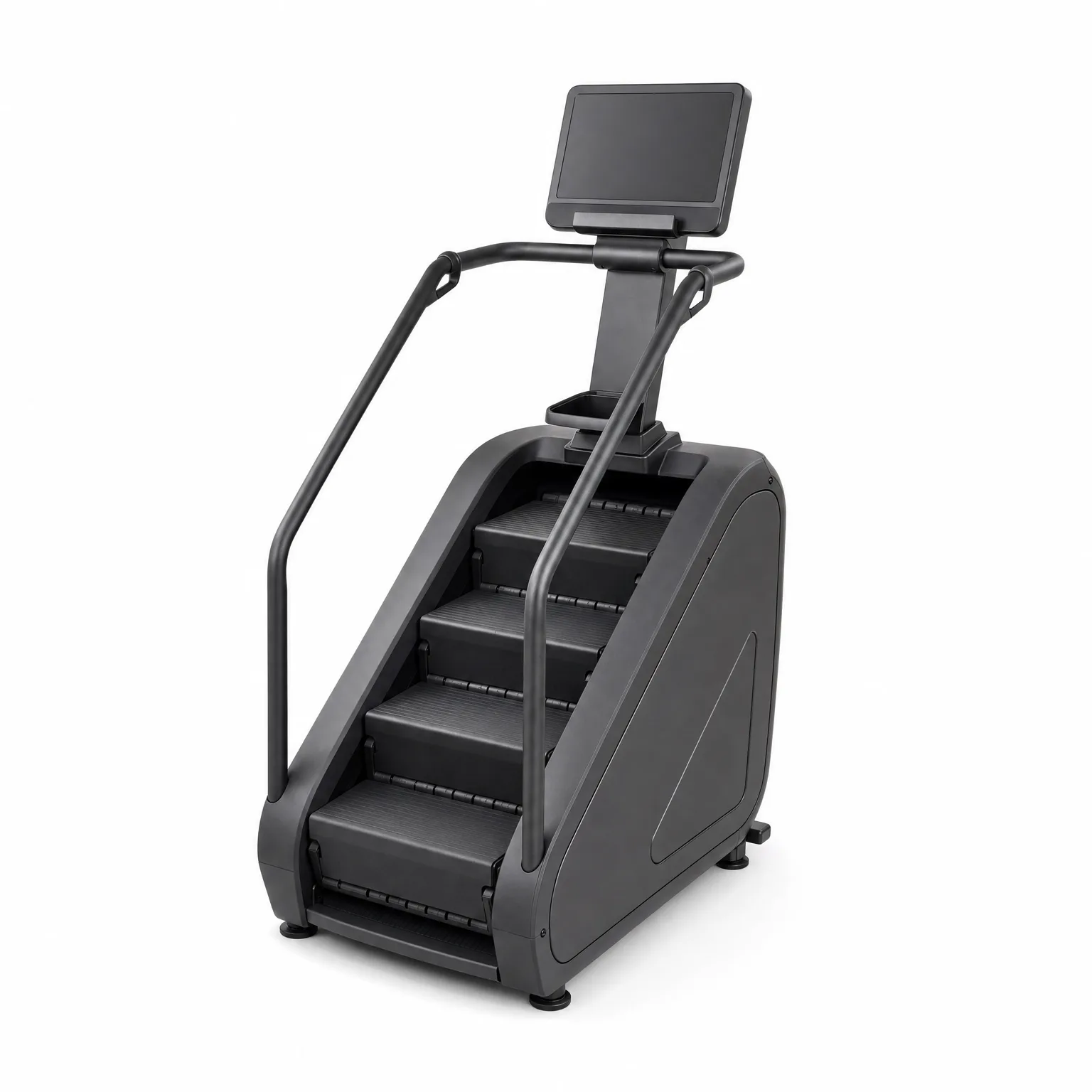
Stair climber
A gym machine that imitates climbing stairs, either with a revolving staircase or with two pedals. It works the glutes, quads and calves. -
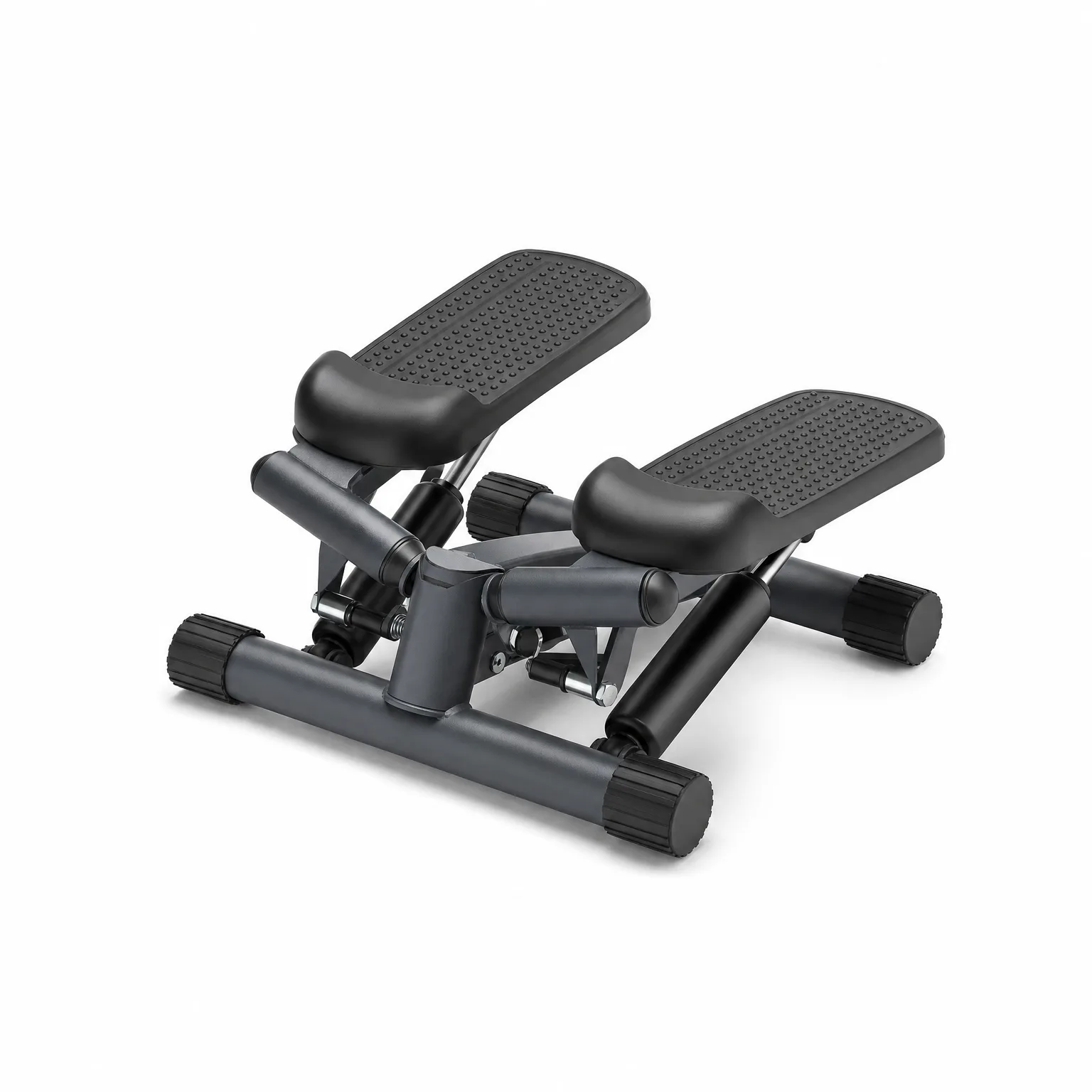
Mini stepper
A small home machine with two pedals on hydraulic cylinders. You step in place to train the legs and raise the heart rate. -
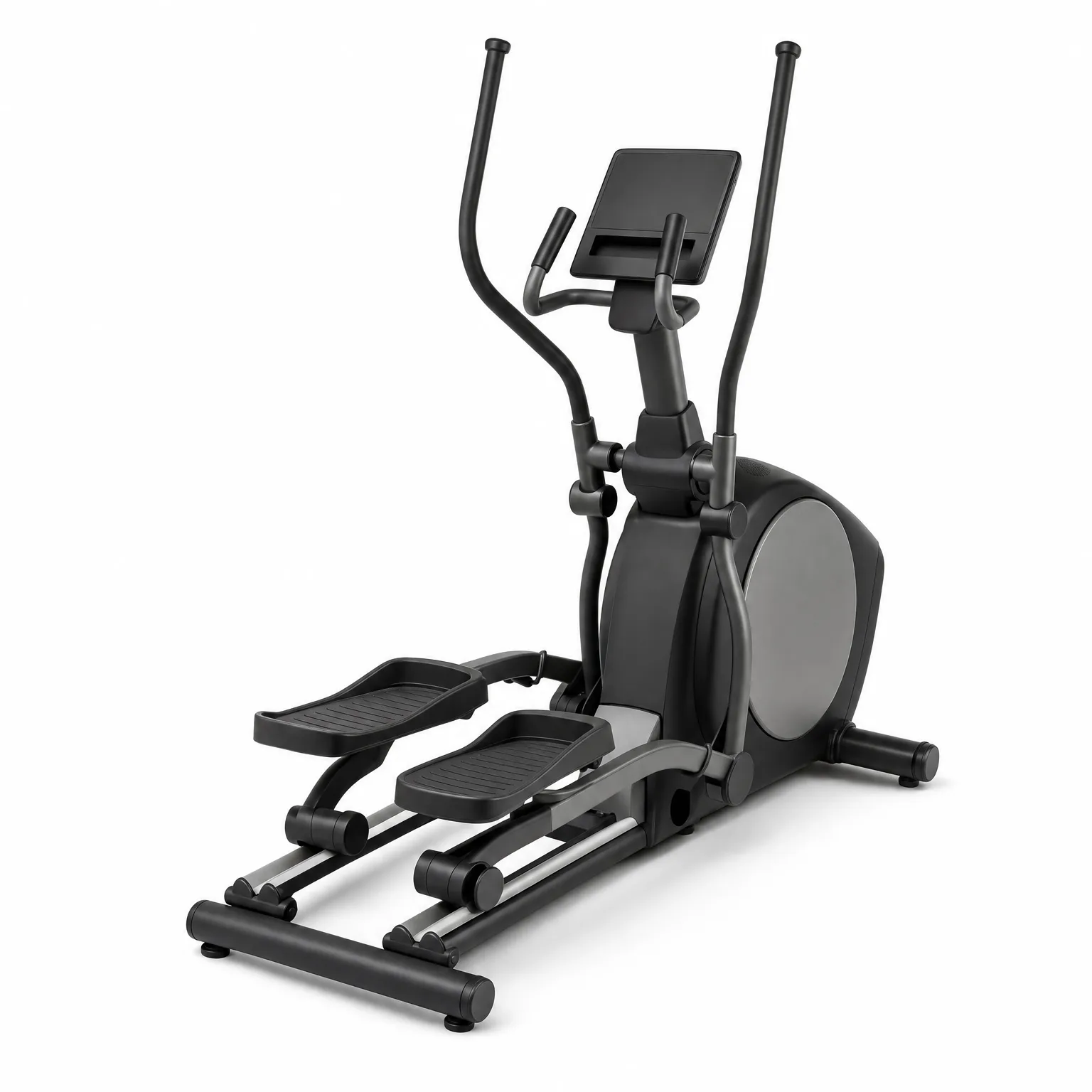
Elliptical
A standing cardio machine with two pedals that travel in an oval path and handles that move with them. Your feet never leave the pedals. -
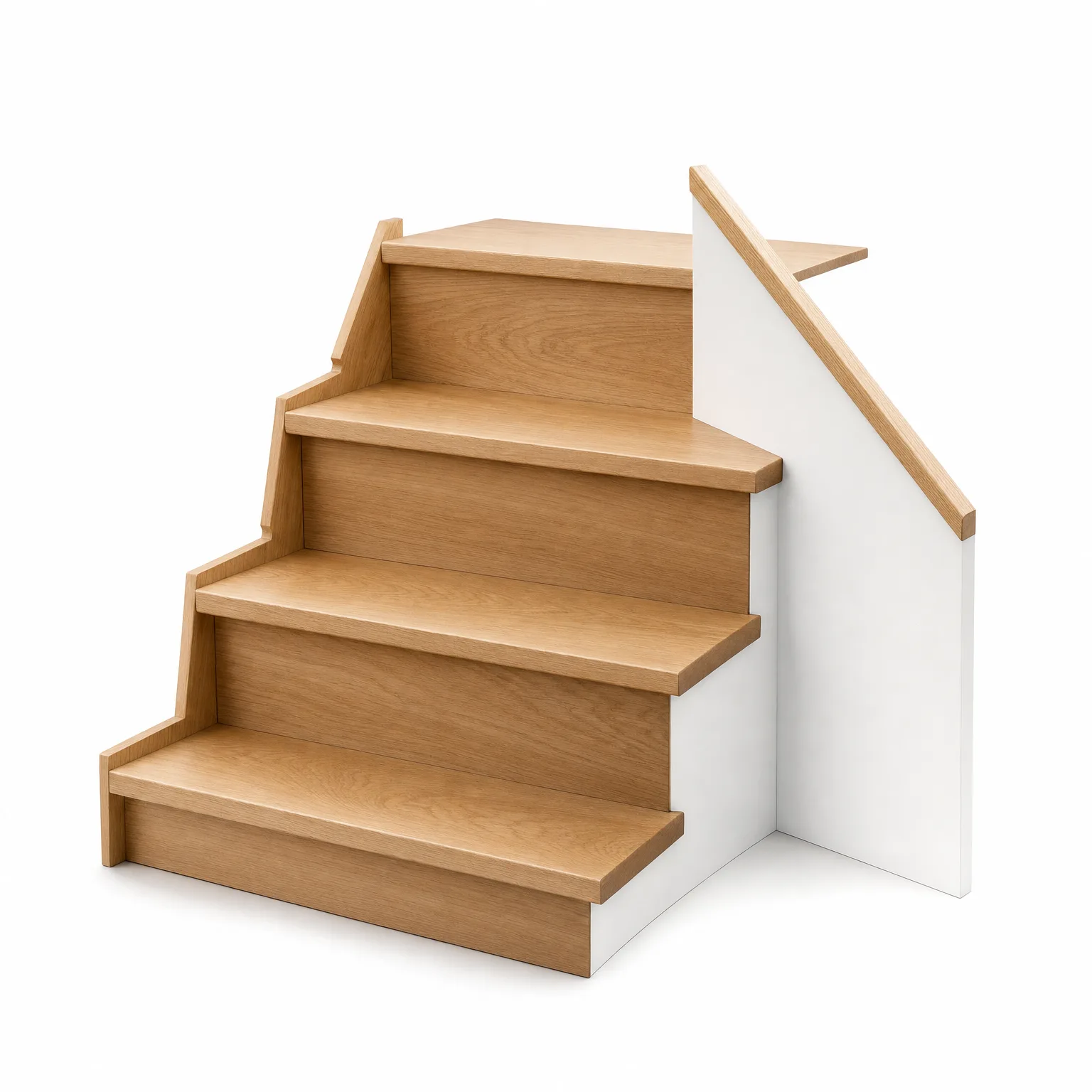
Stairs
A staircase or a single step replaces a step platform, a low plyo box and a stair climber: step-ups, calf raises and stair climbing.
Often used with
-
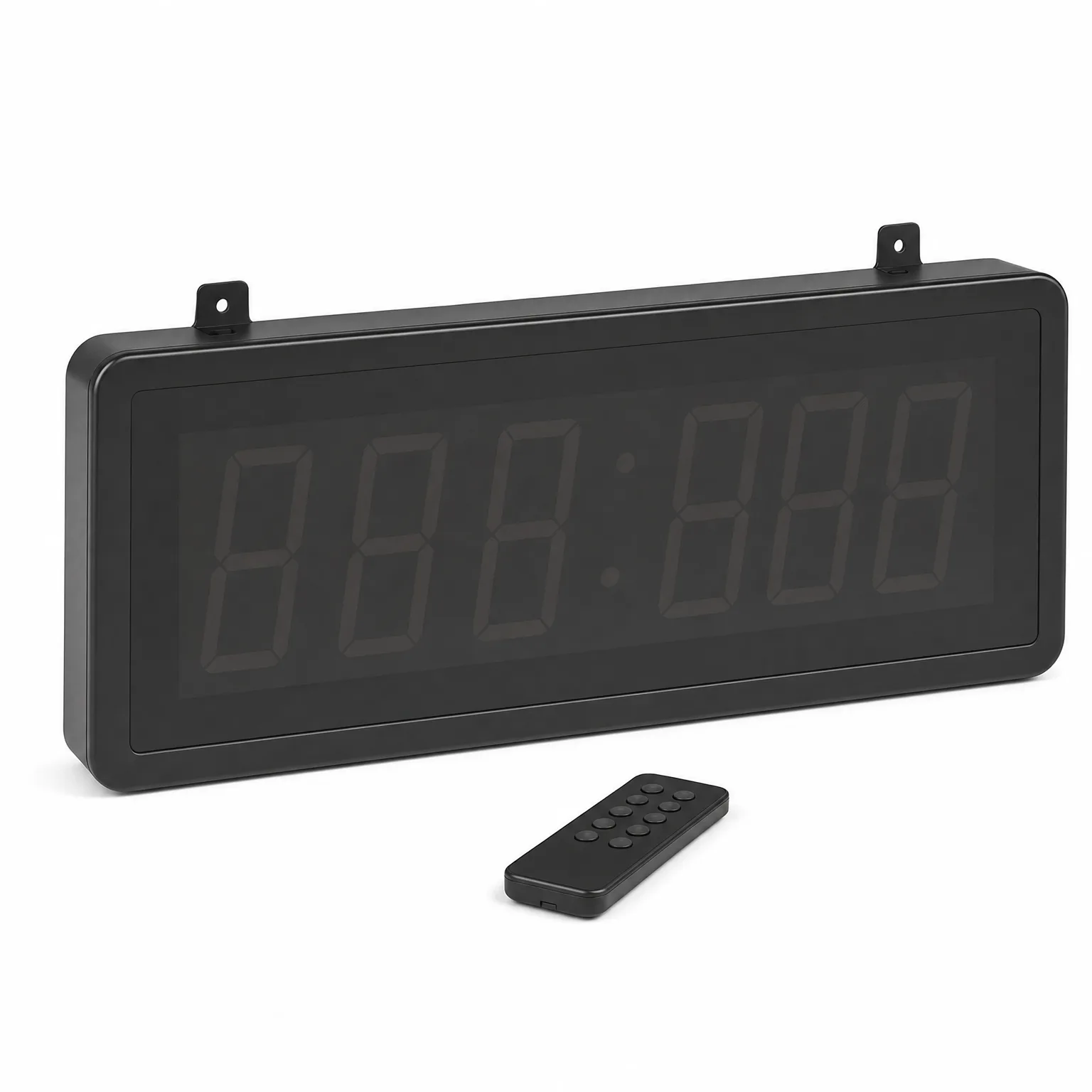
Interval timer
A wall clock or phone app that counts work and rest periods and signals each change, for tabata, EMOM, AMRAP, rounds and timed rests. -
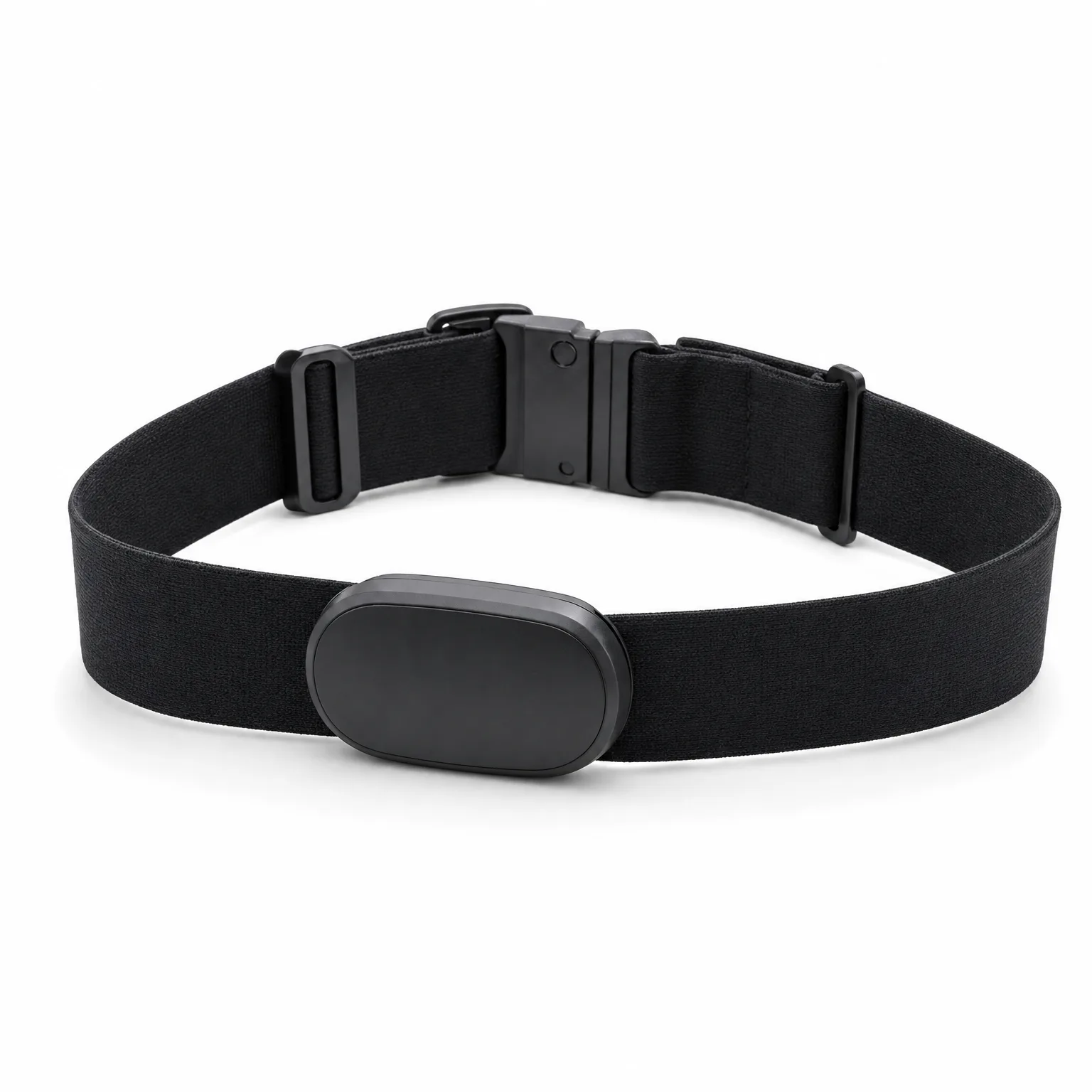
Heart rate monitor
A chest strap or armband that measures heart rate during exercise and sends it to a watch, phone or cardio machine in real time. -

Exercise mat
A cushioned, non-slip surface for floor exercises, stretching and yoga. The first thing most people need to train at home.
Questions about vertical climber
Is a vertical climber a good workout?
It is a demanding one. Arms and legs move together against your body weight, so breathing and heart rate climb fast. That makes it efficient for short sessions. It is cardio first: it will not replace strength training with weights.
What muscles does a vertical climber work?
The quads, glutes and calves push the pedals down. The lats and biceps pull the handles down, and the shoulders and triceps push them up. The trunk keeps the body steady between the two. The legs do the largest share.
Vertical climber vs stair climber: what is the difference?
A stair climber works the legs on revolving steps or pedals while the hands rest on rails, and it suits longer steady sessions. A vertical climber adds the arms, is more upright and feels harder per minute, so sessions are shorter. It also takes less floor space.
How long should a beginner use a vertical climber?
Start with 5–10 minutes in total, broken into intervals of 30–60 seconds with equal or longer rests. Add a minute or two per week. Many regular users settle on 10–20 minutes.
Is a vertical climber hard on the knees?
The feet stay on the pedals, so there is no landing impact, and the knee bend is moderate at a normal step length. It is still a loaded, repeated bend. If you have a knee problem, check with a doctor or physical therapist before using it.
Build programs around what your client has
This guide comes from OnlineFitness.app, the app online coaches run their clients in.
Free for life for the first 100 coachesNo card