Equipment Benches, racks and bars
Climbing rope
A thick rope hung from a high anchor and climbed hand over hand, with or without the feet. It trains grip, arms and back.
In short
A gym climbing rope is a thick rope, usually about 38 mm (1.5 in) in diameter, hung from a ceiling beam, rig or outdoor frame. You climb it hand over hand, using a foot lock to stand on the rope or with the legs hanging free. It is a training tool, not the thin dynamic rope used with a harness in rock climbing.
Climbing works the grip, biceps, lats and upper back, and the trunk when the legs are held up. It suits people who can already hang and pull their body weight. For those who cannot, the same rope is used for lying-to-standing pulls and rope rows with the feet on the floor.
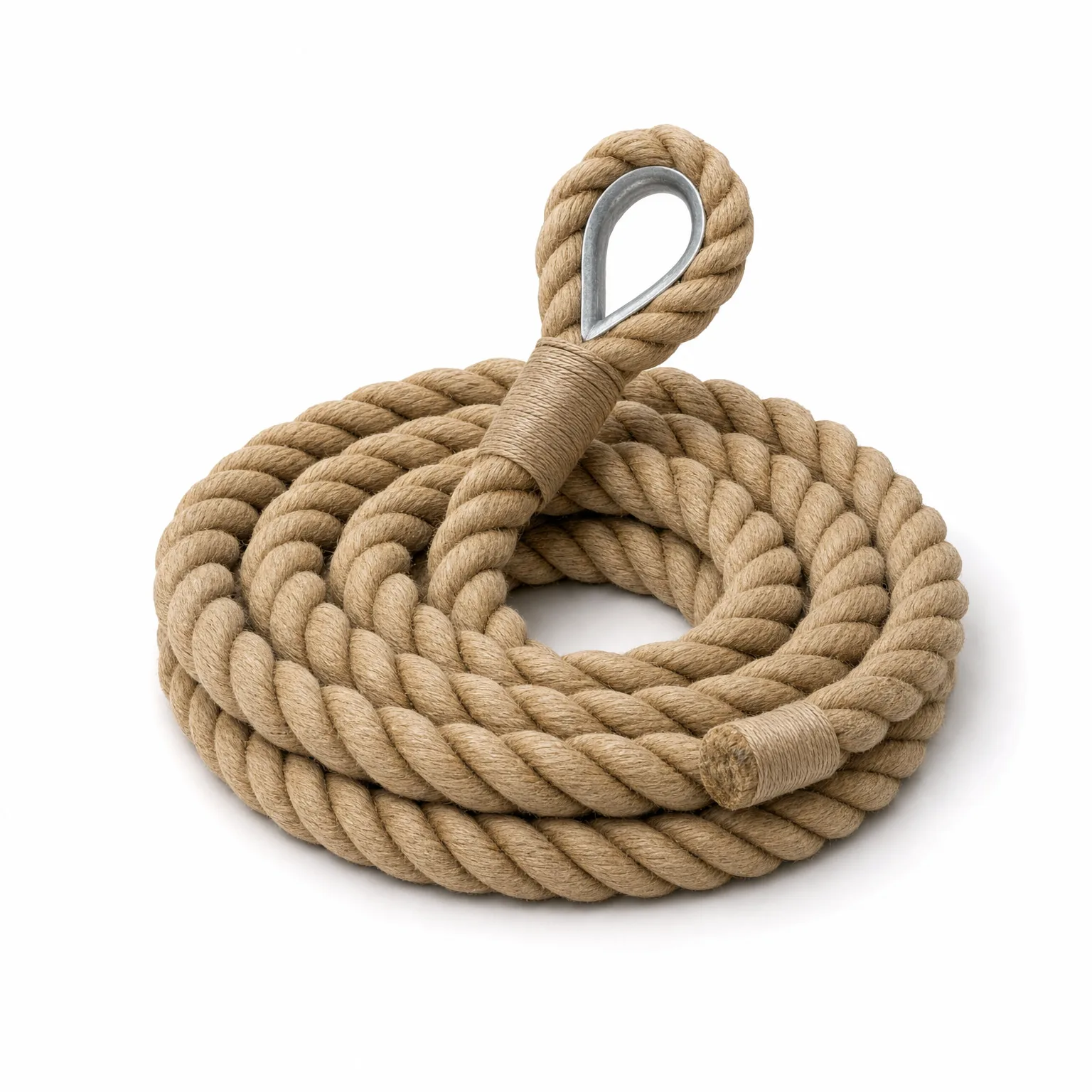
- Category
- Benches, racks and bars
- Where
- Gym, Outdoors
- Level
- Intermediate and up
- Space
- Needs a dedicated area
- Typical sizes
- Diameter 32–50 mm (1.25–2 in), most often 38 mm (1.5 in); length 3–9 m (10–30 ft) to match the anchor height
- Also called
- gym climbing rope, rope climb, fitness climbing rope, manila rope, exercise climbing rope
What it is used for
- Rope climbs with a foot lock
- Legless climbs for the arms and back
- Lying-to-standing rope pulls as a first step
- Rope pull-ups and static hangs for grip
- Seated starts and L-sit climbs for the trunk
Types
Manila. Natural fiber with a rough surface that grips well, even with sweat. Sheds fibers and is harsh on skin. For indoor use: it rots when left wet.
Sisal or jute. Other natural fibers used for gym ropes. Jute is usually softer on the skin than manila. Also best kept dry.
Polyester or polypropylene. Synthetic ropes that tolerate rain and sun. Smoother, so the grip is harder, especially with sweaty hands.
Knotted. Knots every 30–50 cm give the hands and feet steps. Used for children and for learning.
How to choose
Match the length to the anchor
The rope should reach from the anchor to the floor with a little to spare, so you can start seated and wrap the feet. Measure the anchor height before buying.
Choose 38 mm unless you have a reason not to
It is the standard thickness and fits most adult hands. Thinner rope is easier to grip and suits smaller hands. Thicker rope is a grip challenge.
Take the anchor seriously
The rope, its eye or clamp and the beam or rig it hangs from must all be rated by their manufacturers for a swinging person. Ceiling mounting is a job for someone qualified, not guesswork.
Pick the fiber for the place
Natural fiber indoors, synthetic outdoors. Check any rope regularly for fraying, especially at the top where it meets the anchor.
How to start using it
- Start on the floor. Lie under the rope, hold it and pull yourself hand over hand to standing with the body straight and heels on the floor. Lower the same way. This teaches the grip and the pull without height.
- Learn a foot lock low down. Sitting on a box, let the rope hang down the outside of one leg. With the other foot, scoop the rope under the first foot and up over its top, then step on it there to pinch it. Stand up on the lock. Practice until you can lock without looking.
- Climb with the legs. Reach high with both hands, hang, pull the knees up, lock the feet and stand. The legs do the lifting, the arms hold you in place. Take short climbs first.
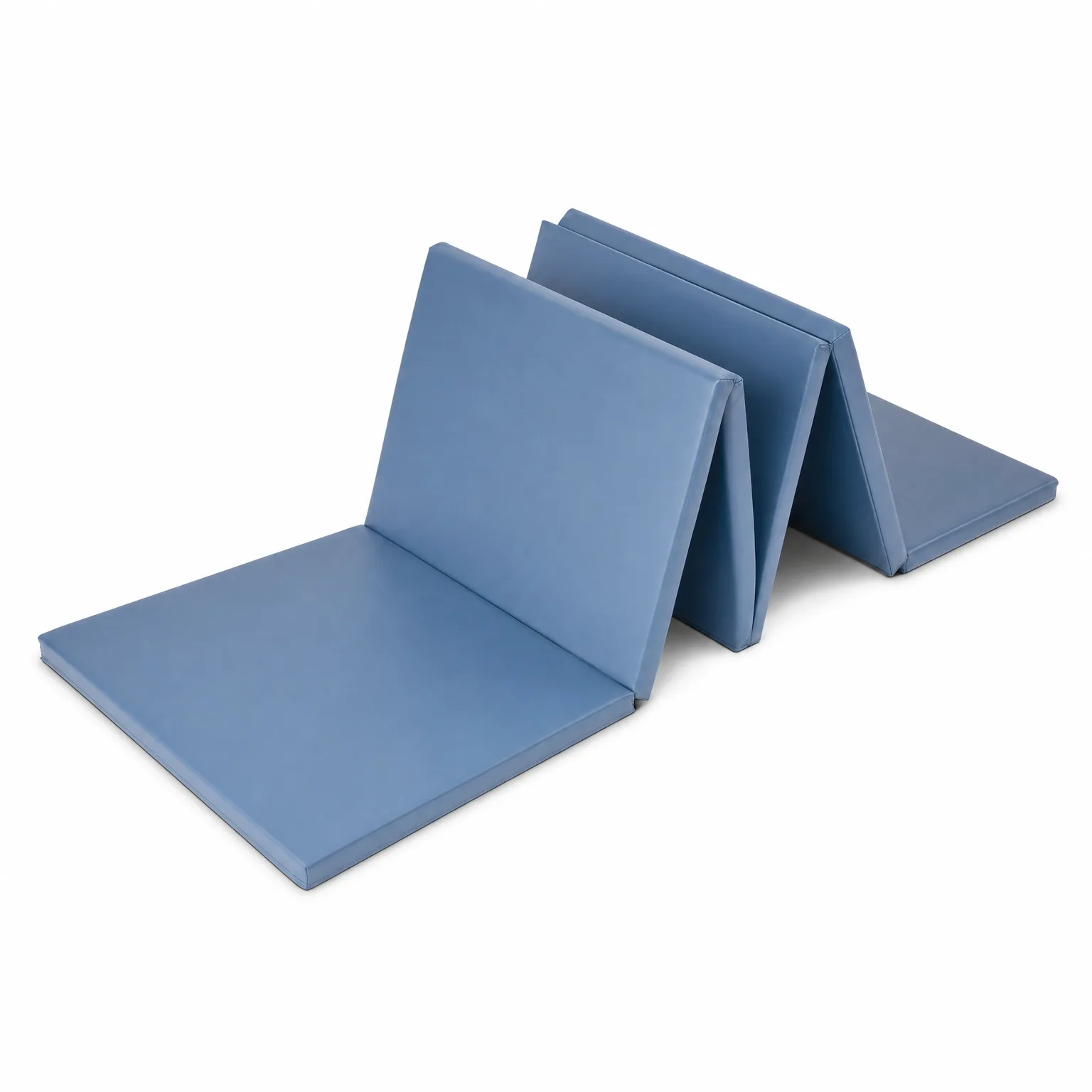
- Come down hand under hand. Lower one hand at a time with the rope loosely pinched between the feet as a brake. Never slide. Save enough strength to get down, and put a thick mat under the rope.
Common mistakes
Sliding down
Letting the rope run through the hands or between the legs burns the skin within a second. Descend hand under hand at walking pace.
Climbing to failure
The top of the rope is the worst place to run out of grip. Turn around while you still feel strong, and build height over sessions.
Pulling with the arms only too early
Skipping the foot lock makes each climb a set of hard one-arm pulls. Learn the lock first, and add legless climbs once you can do several strict pull-ups.
Bare shins and no mat
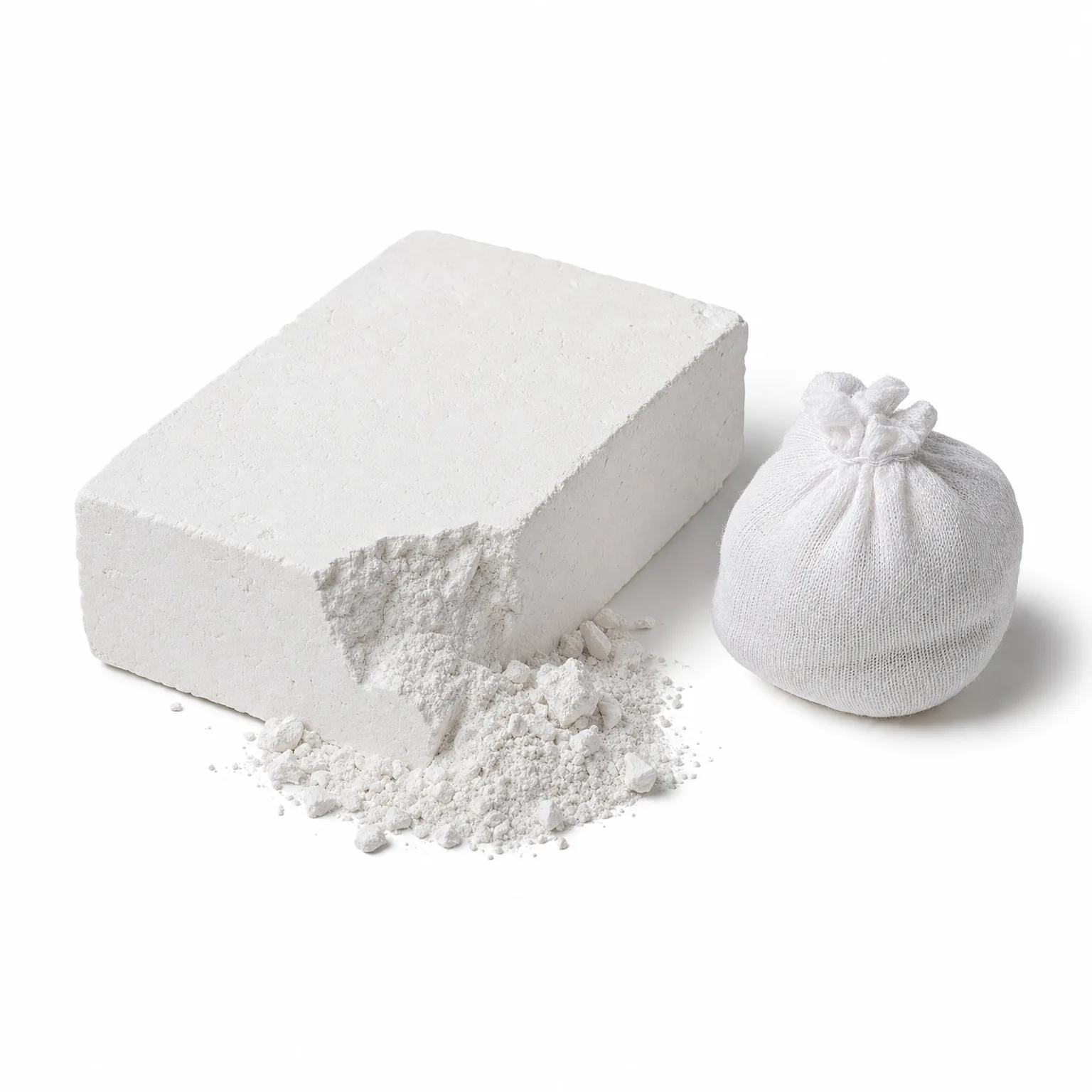
The rope scrapes the shins and ankles. Wear long socks or long pants, and always have a landing mat under the rope.
What to use instead
A pull-up bar trains the same pulling muscles. Hang one or two towels over it and grip those for pull-ups and hangs to bring in the thick, vertical grip of a rope. Rings allow rows and pull-ups with the body at any angle. Outdoors, traversing monkey bars gives a similar hand-over-hand movement with grip endurance.
-
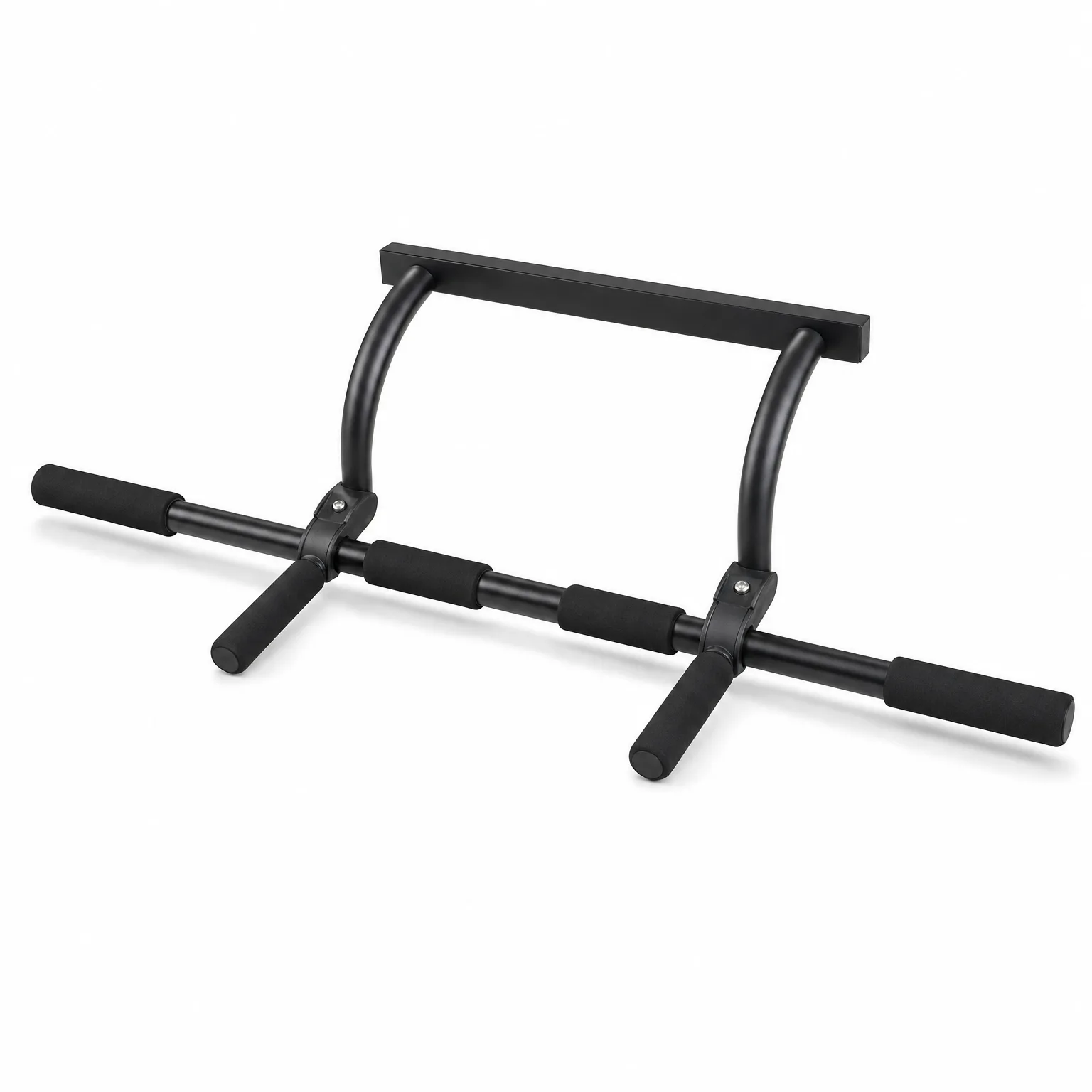
Pull-up bar
A fixed horizontal bar you hang from. Used for pull-ups, chin-ups, hangs and hanging leg raises, at home or outdoors. -
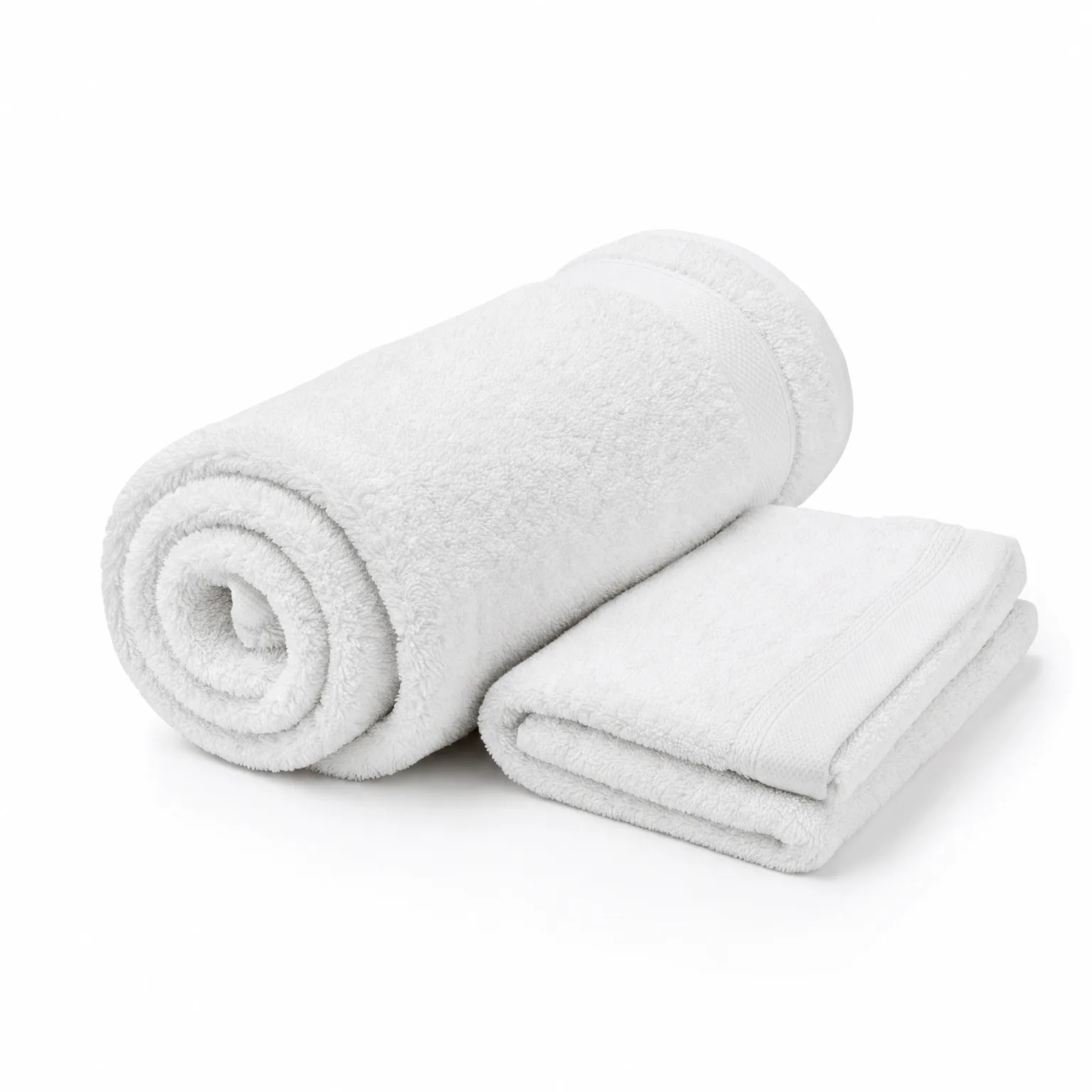
Towel
A towel doubles as sliders on a smooth floor, a stretching strap, a pulling tool for isometric exercises and padding for the knees. -
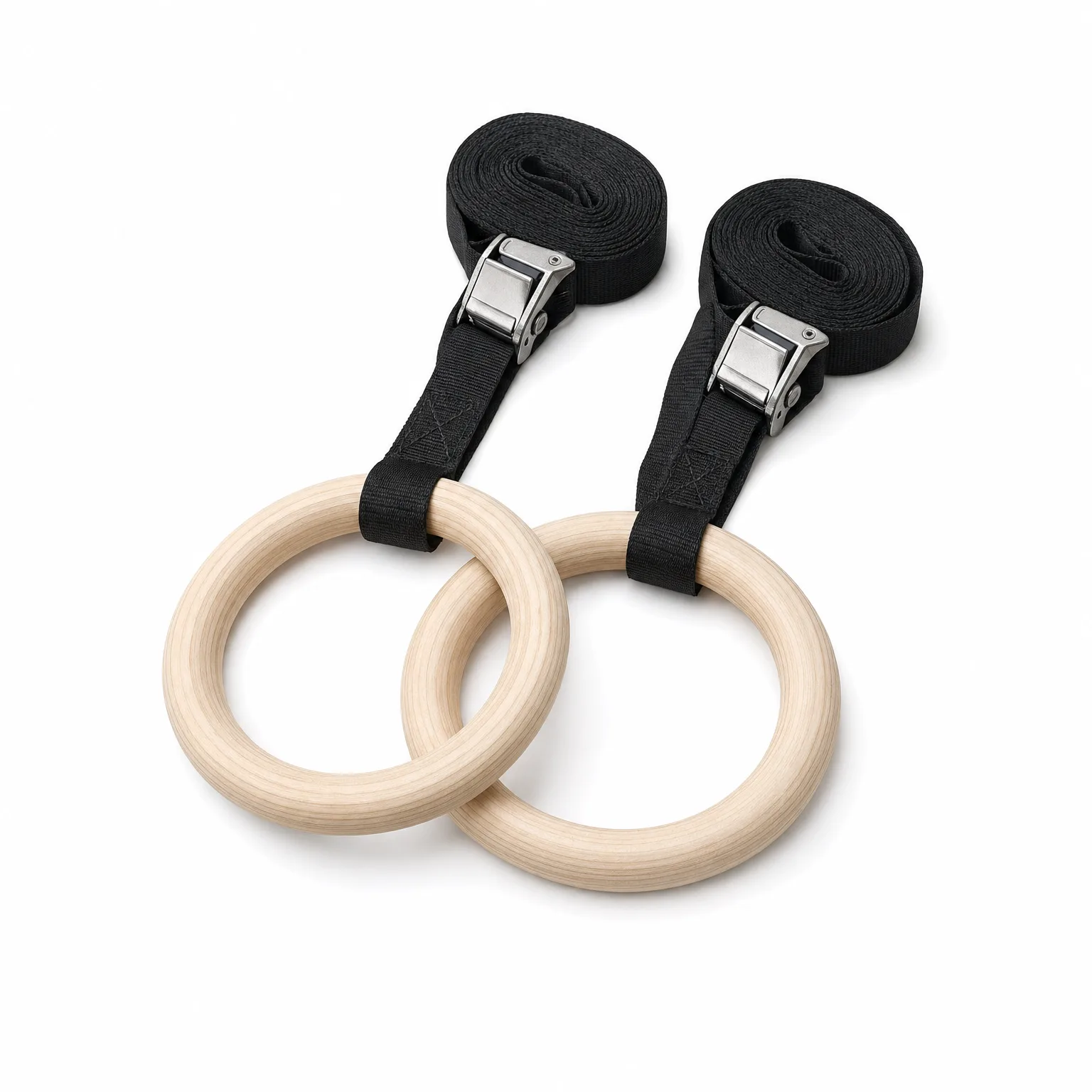
Gymnastic rings
Two rings on adjustable straps, hung from a bar or beam. Used for rows, pull-ups, dips, push-ups and support holds with body weight. -
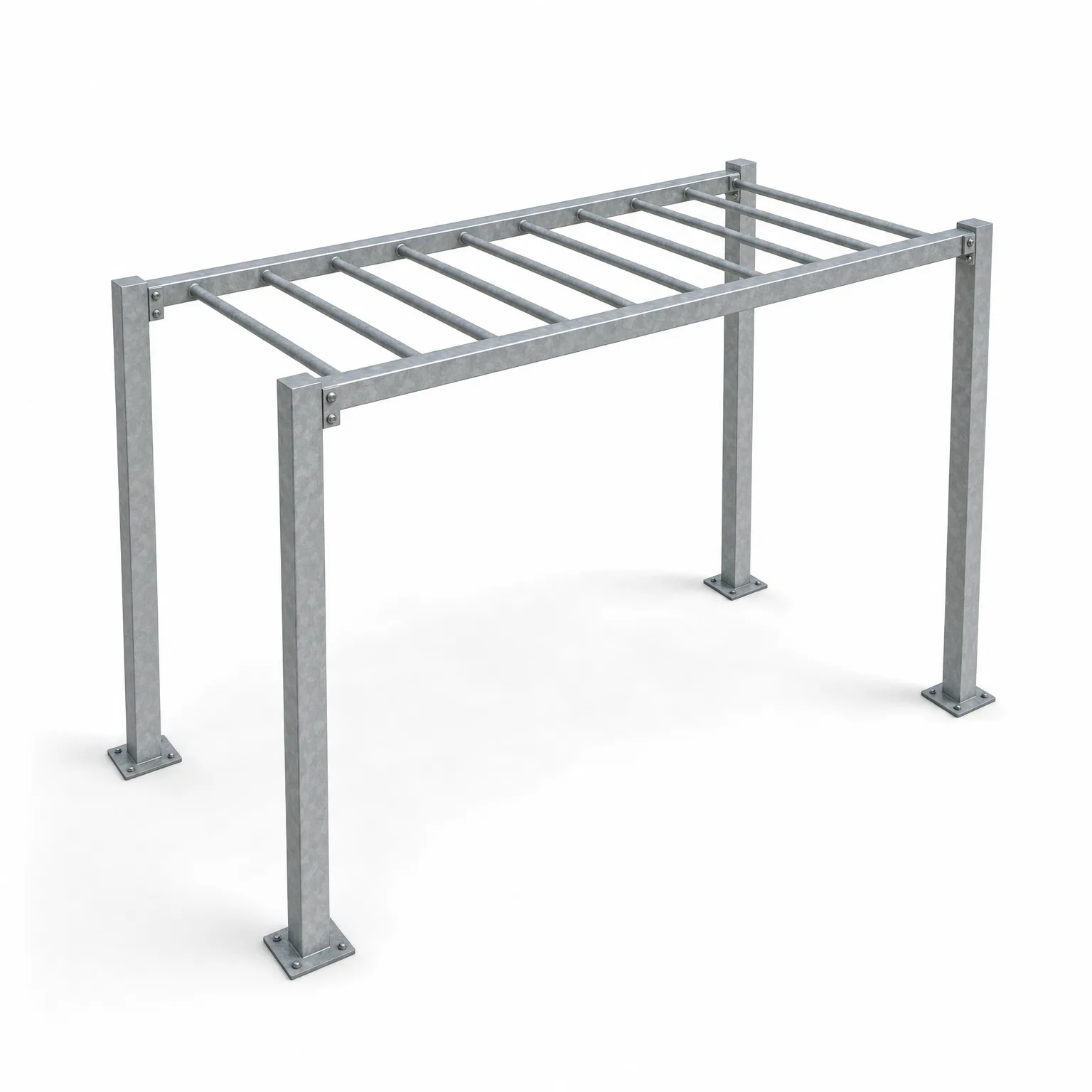
Monkey bars
An overhead ladder of bars, found in calisthenics parks and gym rigs. You hang and travel hand over hand, or use single bars for pull-ups.
Often used with
Questions about climbing rope
What thickness of climbing rope is best?
38 mm (1.5 in) is the standard for adults and what most gyms use. Around 32 mm (1.25 in) suits children and smaller hands. 50 mm (2 in) is much harder to hold and is used for grip training.
What muscles does rope climbing work?
Mainly the forearms and grip, the biceps, the lats and the muscles between the shoulder blades. The abs work to bring the knees up, and the legs do much of the lifting when you use a foot lock.
How do I start if I cannot climb a rope yet?
Build up in steps: lying-to-standing rope pulls, rope hangs for time, pull-ups or towel pull-ups, then foot lock practice close to the floor. Once you can lock the feet and stand up on the rope three or four times in a row, you can climb.
Manila or synthetic climbing rope?
Manila grips best and is the traditional choice indoors, but it is rough and must stay dry. Synthetic rope lasts outdoors and is kinder to the skin, but slipperier. For an outdoor rig choose synthetic, for an indoor gym either works.
Build programs around what your client has
This guide comes from OnlineFitness.app, the app online coaches run their clients in.
Free for life for the first 100 coachesNo card