Equipment Functional and conditioning
Vibration plate
A motorized platform that shakes rapidly under you. People stand or exercise on it. Evidence for extra benefit over normal training is mixed.
In short
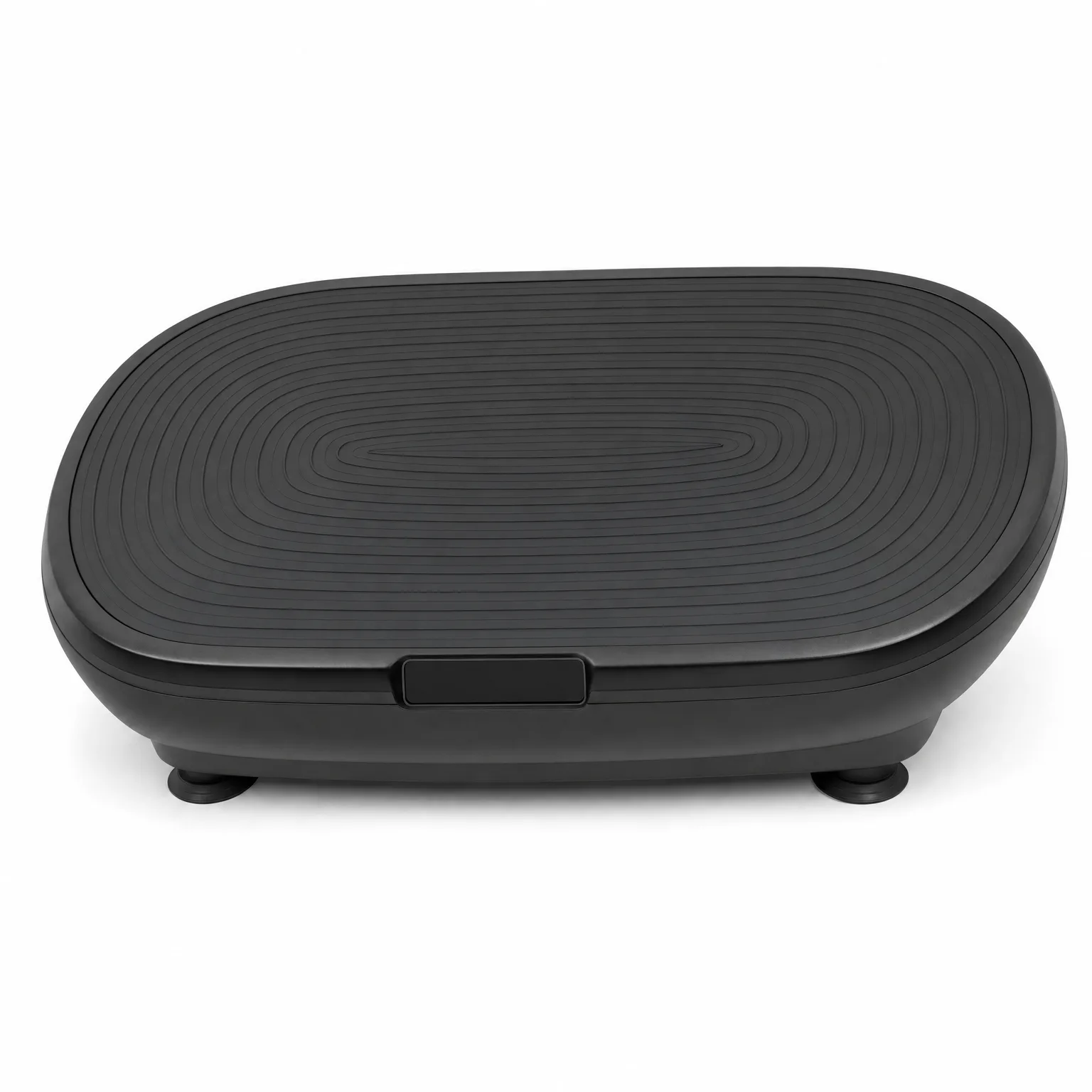
A vibration plate is a motorized platform that moves up and down or rocks side to side many times a second. You stand, squat or hold other positions on it. The rapid movement makes the muscles of the legs and trunk contract over and over to keep you steady, which is why simple positions feel harder than on the floor.
It is sold for home use and found in some gyms. It can add a stimulus to basic bodyweight exercises and many people like the feeling. Research on what it adds beyond ordinary exercise is mixed, and standing on it passively is not a replacement for strength or cardio training.
- Category
- Functional and conditioning
- Where
- Home, Gym
- Level
- Beginner and up
- Space
- Needs a corner of a room
- Typical sizes
- Home plates about 50–80 cm (20–31 in) wide and 12–15 cm (5–6 in) high; frequencies of roughly 5–50 Hz depending on type
- Also called
- vibration platform, power plate, whole body vibration machine, vibration machine, vibrating plate, shaker plate
Muscles it works
- Also works
- Hamstrings, Abs
What it is used for
- Holding squats, lunges and calf raises on the plate
- Planks and push-ups with the hands or forearms on the plate
- Standing on it at low speed as a warm-up
- Sitting beside it with the calves or thighs resting on the plate for a massage-like feeling
Types
Oscillating (pivotal). The plate rocks like a seesaw around a center line. Lower frequency, often about 5–30 Hz, and larger movement. A wider stance means more movement. The most common home type.
Linear (vertical). The whole plate moves straight up and down a small distance at higher frequency, often about 25–50 Hz. Typical of gym machines with a column and handles.
Multi-motor (3D, 4D). Two or more motors combine rocking, vertical and sideways movement. Marketing labels vary and do not map to proven extra benefits.
With column and handles. An upright console to hold on to. Larger and steadier, and easier for people unsure of their balance.
How to choose
Know which type you are buying
Oscillating and linear plates feel different and their speed numbers are not comparable. Listings often give a speed level from 1 to 99 or more instead of a frequency in hertz. Look for the actual frequency range and amplitude in the specifications.
Platform size and stability
You need room for a shoulder-width squat stance and for both forearms in a plank. The unit should sit flat and not walk across the floor at higher speeds.
Check the rating and the noise
The user weight limit depends on the manufacturer's rating. Vibration travels through floors, so in an apartment a thick mat under the unit and a lower speed help.
Read the precautions before buying
Manuals usually list people who should ask a doctor first, commonly including pregnancy, a pacemaker or other implant, recent surgery, joint replacements, blood clots and some eye and heart conditions. Check that list against your own situation.
Be realistic about what it does
Buy it if you want to add variety to bodyweight exercises or enjoy the sensation. Do not buy it expecting weight loss or muscle gain without other training.
How to start using it
- Set it on a firm, level floor. Place the unit on a hard, flat surface, on a mat if you want to cut noise. Use it barefoot, in socks with grip or in thin flat shoes.
- Start low, with bent knees. Stand on the plate with feet hip-width apart and knees clearly bent. Switch on at the lowest setting. Bent knees let the legs absorb the vibration. With straight legs it travels up to the head.
- Keep sessions short. Begin with bouts of 30–60 seconds and a rest between, for a total of about 5–10 minutes. Many manufacturers recommend limiting a session to around 10–15 minutes.
- Do exercises, not just standing. Hold a half squat, do slow squats or calf raises, or put your hands on the plate for a plank. The plate adds to what the muscles are already doing.
- Raise one thing at a time. Increase the speed, the time or the difficulty of the exercise, but not all at once. Stop if you feel dizzy, numb, or get a headache or blurred vision.
Common mistakes
Standing with locked knees
Straight, rigid legs pass the vibration to the spine and head. This is uncomfortable and is the main thing manuals warn against. Always keep the knees bent.
Expecting it to replace exercise
Standing on a plate burns little energy and does not load the muscles the way lifting or brisk walking does. Treat it as an add-on.
Long sessions at high speed
More is not better with vibration. Long daily exposure is a known occupational hazard in other settings. Keep to short sessions and the limits in the manual.
Putting the head or chest on the plate
Lying with the head, neck or chest directly on the platform sends vibration where it is least welcome. Keep contact to the feet, hands, forearms, or the calves and thighs.
Believing the speed number
A level of 99 on one machine is not comparable to another. Judge by how stable and comfortable you are, not by the display.
What to use instead
The exercises done on a plate work without it: squats, lunges, calf raises, planks and push-ups on a mat train the same muscles, and adding load or reps makes them harder. A foam balance pad adds a different kind of challenge to standing drills. For the massage-like use on calves and thighs, a massage gun or a foam roller gives a comparable feeling.
-

Exercise mat
A cushioned, non-slip surface for floor exercises, stretching and yoga. The first thing most people need to train at home. -
Balance pad
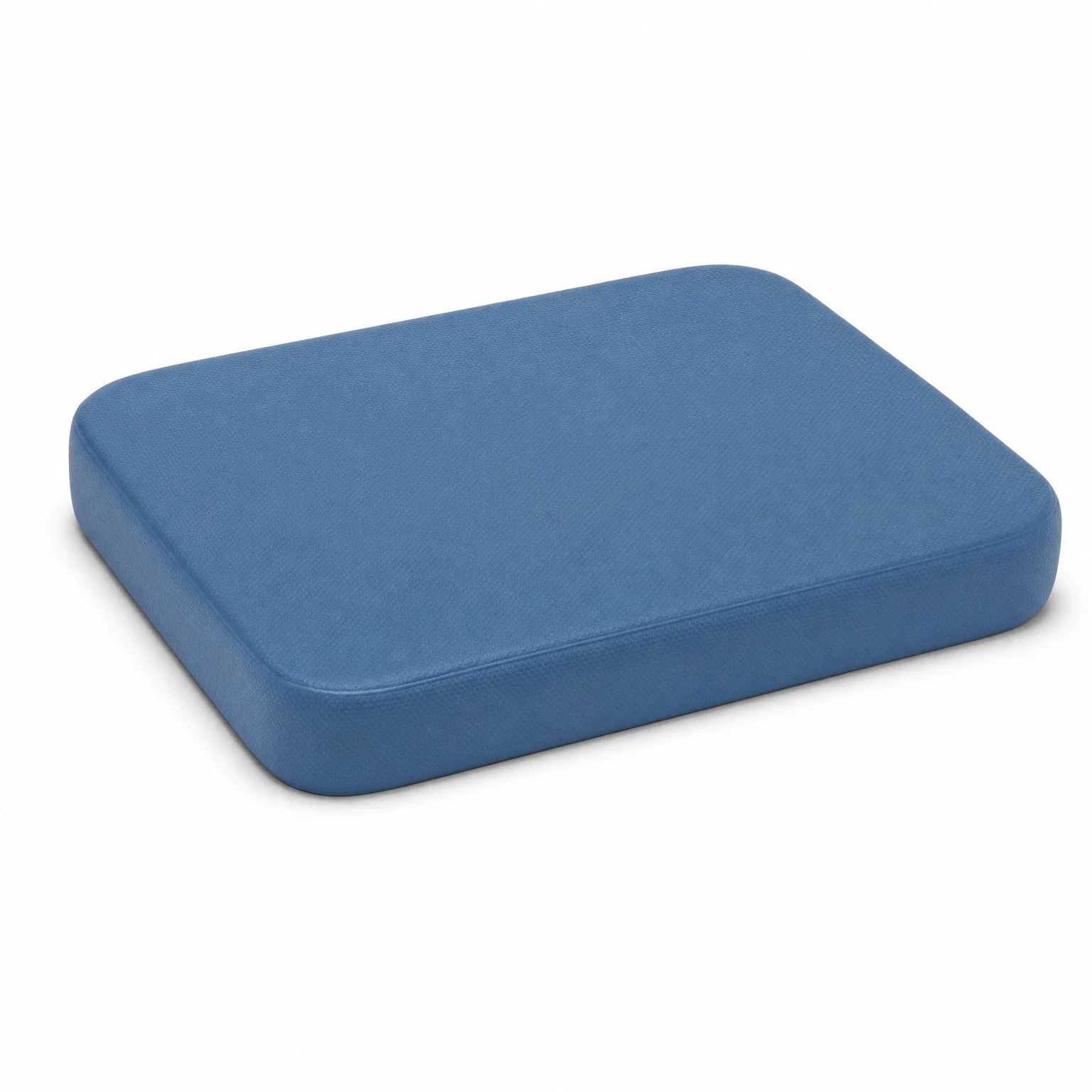
A thick rectangle of soft foam you stand, kneel or lunge on. It gives under the foot, so the ankles and hips work to keep you steady. -
Massage gun
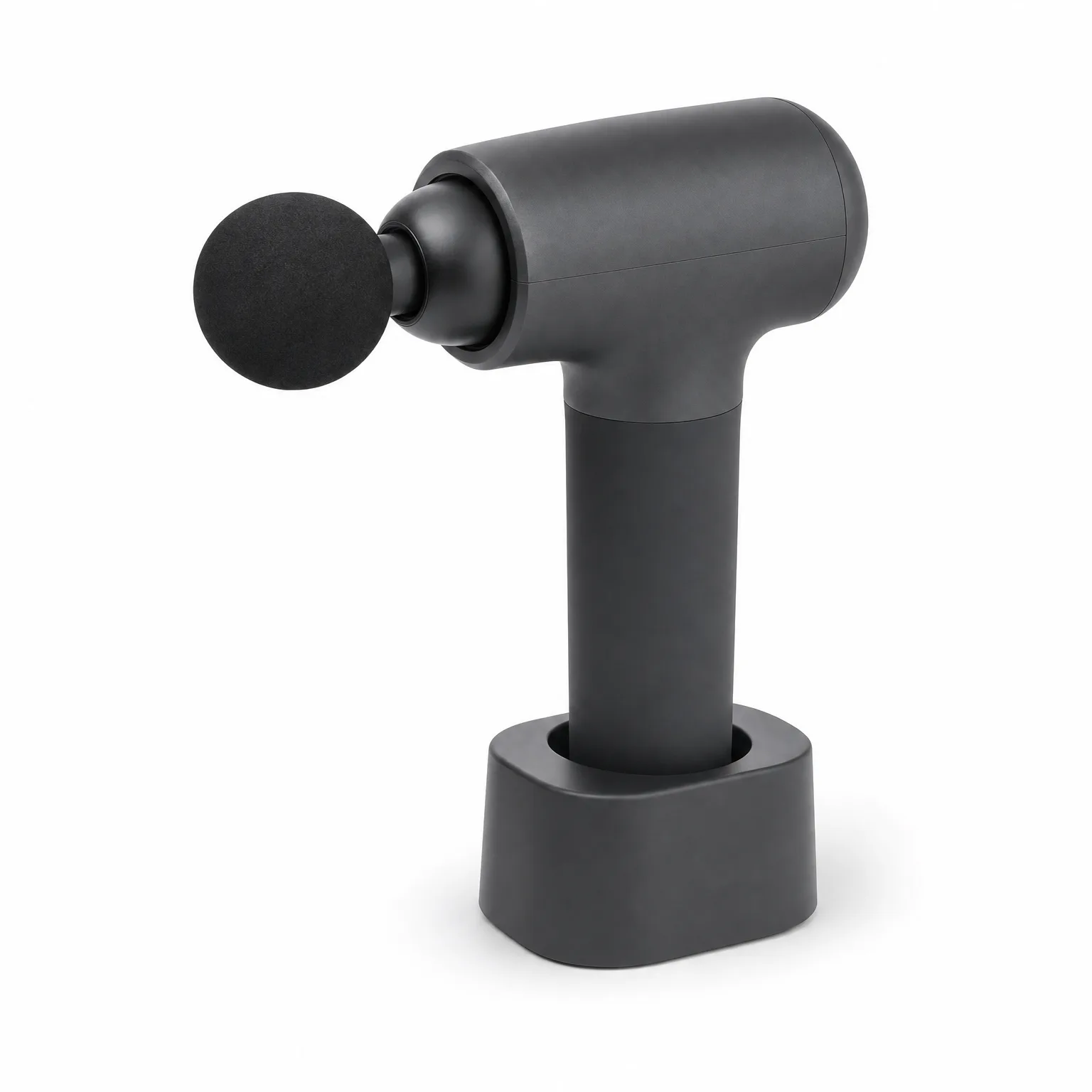
A handheld, battery-powered device that taps a muscle rapidly with a soft head. Used for self-massage before or after training. -
Foam roller
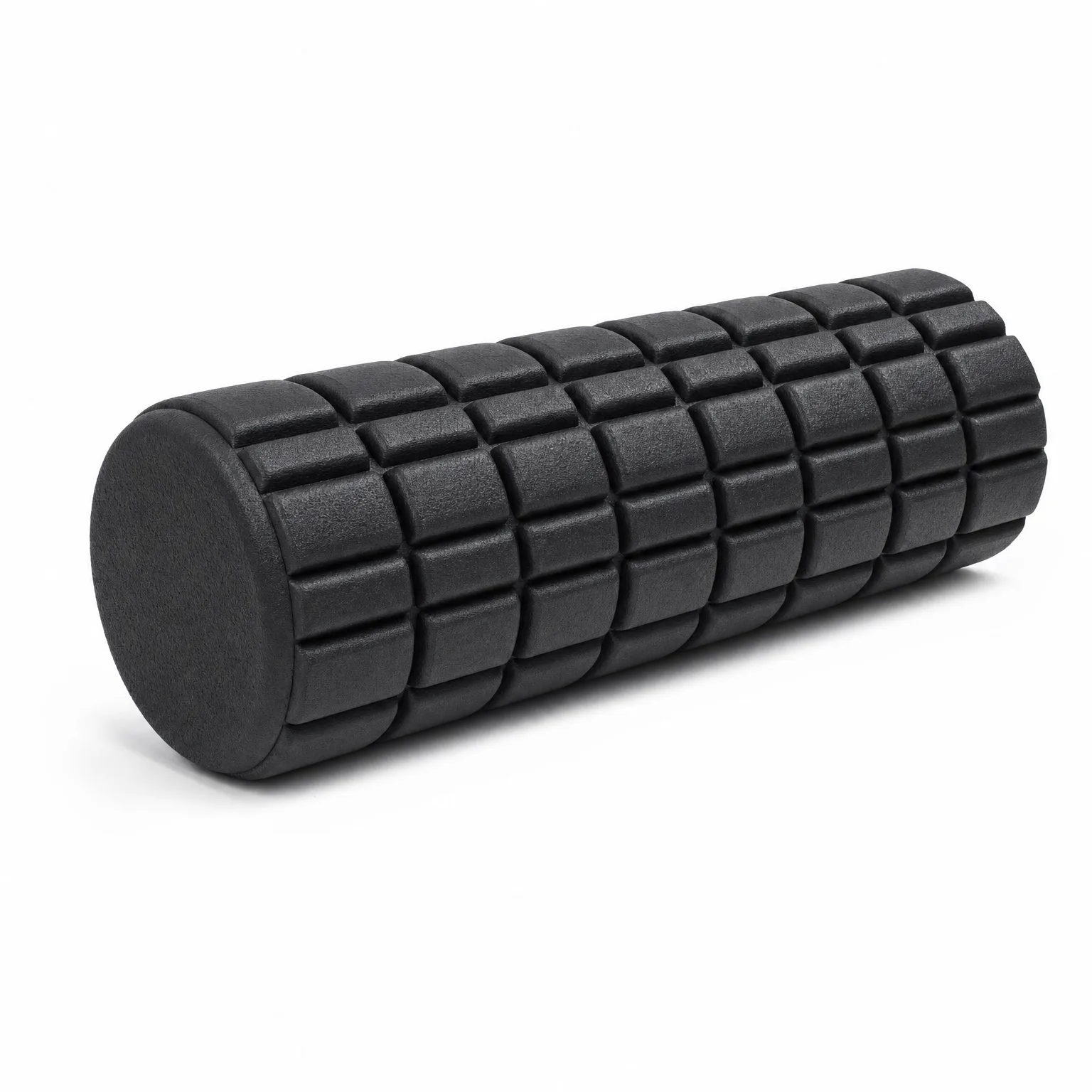
A firm foam cylinder you lie on and roll along a muscle for self-massage, usually during a warm-up or after training.
Often used with
-
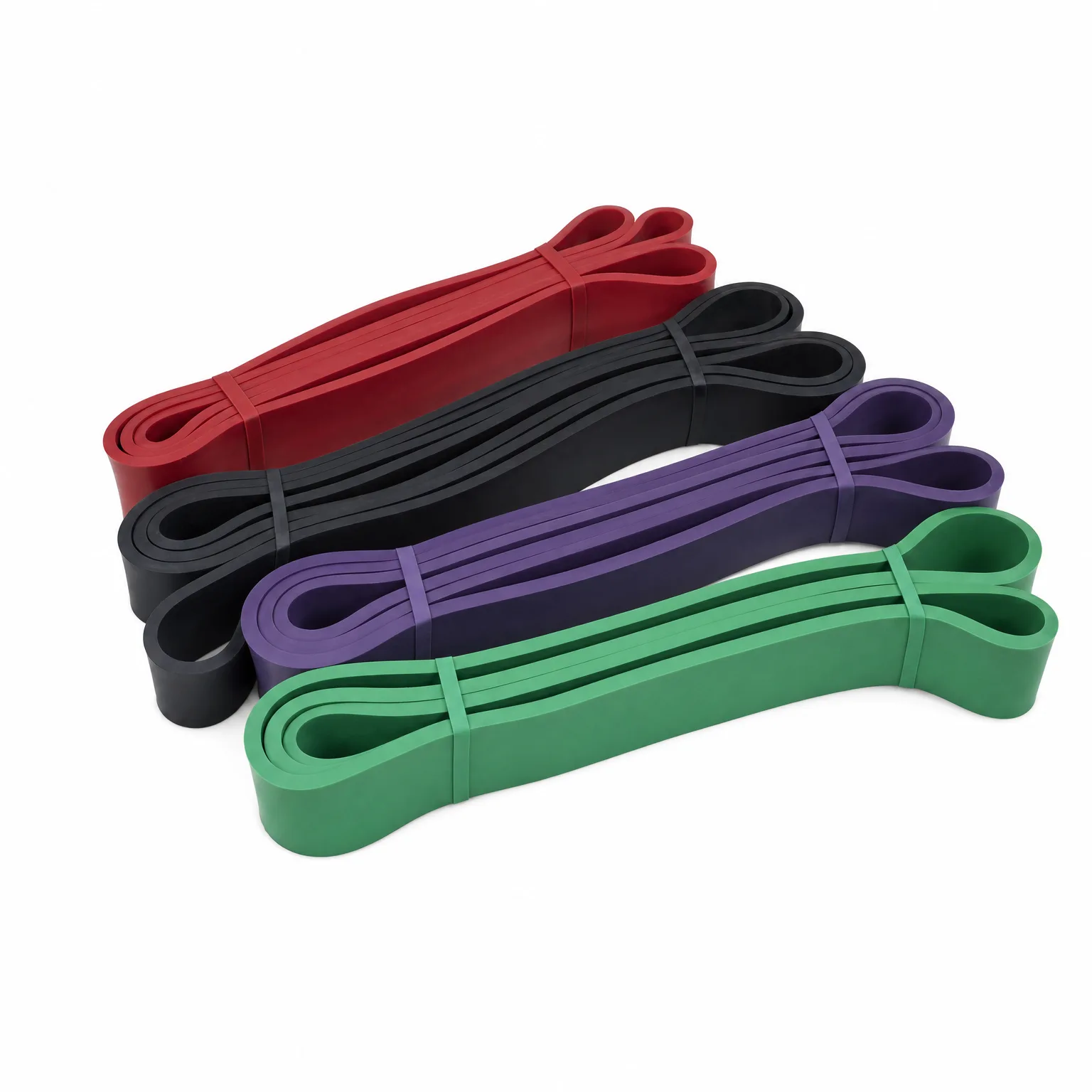
Resistance bands
Long closed loops of thick rubber. They add resistance to rows, presses and squats, or take weight off in pull-ups and dips. -
Exercise mat
A cushioned, non-slip surface for floor exercises, stretching and yoga. The first thing most people need to train at home. -
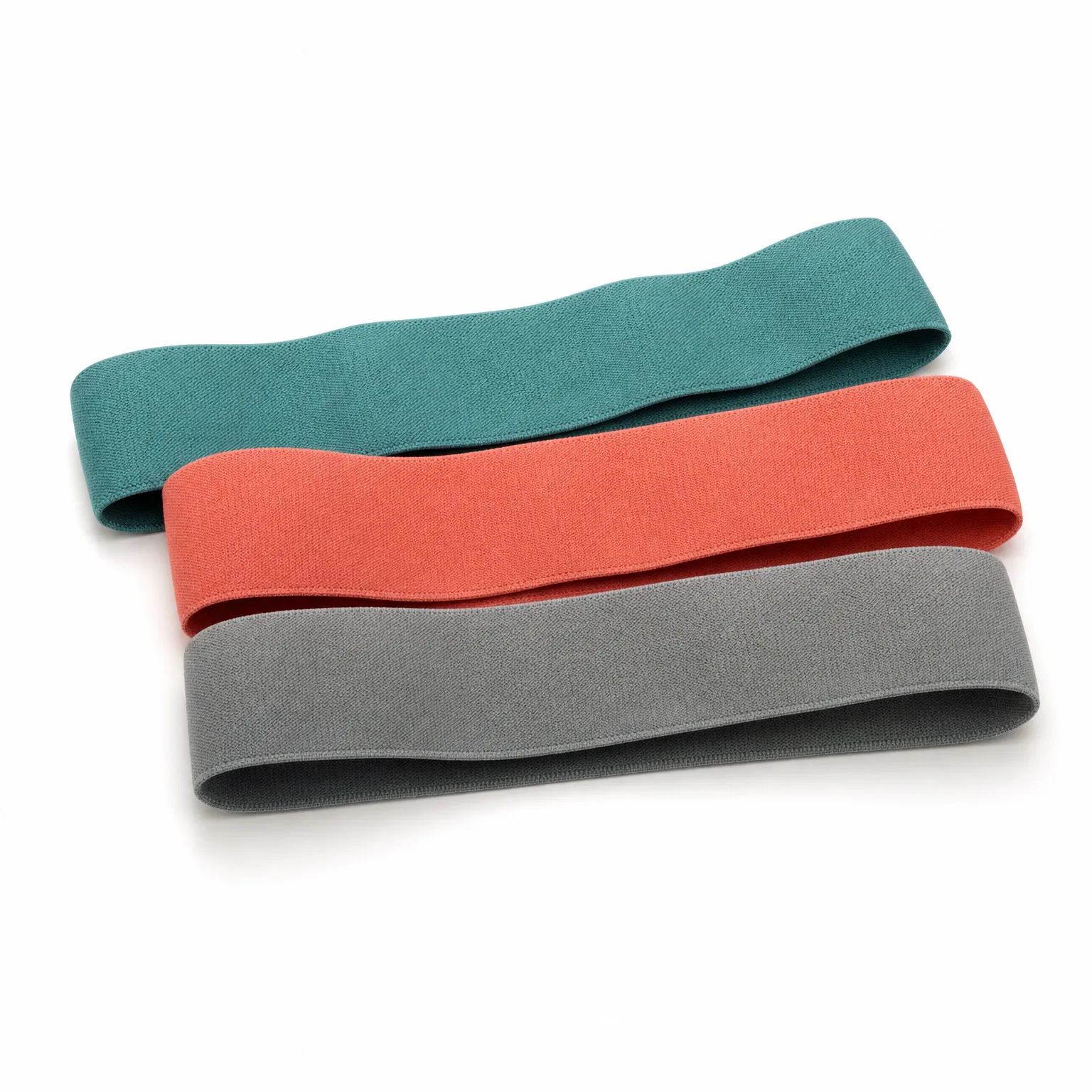
Mini bands
Short elastic loops worn around the thighs, knees or ankles. Used for glute and hip exercises and for warm-ups.
Questions about vibration plate
Do vibration plates work?
It depends on the claim. Some studies show small improvements in leg strength, power, balance and flexibility in some groups, especially people who were not training before, when exercises are done on the plate. Results are inconsistent, and for people who already train the added effect is small. It does not replace regular exercise.
Can a vibration plate help you lose weight?
Not by itself in any meaningful way. Standing on a plate uses little energy. Studies that reported fat loss mostly combined it with diet changes or other exercise. Weight loss comes from the overall balance of eating and activity.
How long should you stand on a vibration plate?
Short bouts: 30–60 seconds at a time with rests, about 10–15 minutes in total, a few times a week. Follow the limit in your machine's manual and do not add time on the idea that longer is better.
Who should not use a vibration plate?
Manufacturers usually tell people to ask a doctor first if they are pregnant, have a pacemaker or other implanted device, recent surgery or fractures, joint replacements, a history of blood clots, or certain heart, eye or inner-ear conditions. The exact list is in the manual. If in doubt, ask before using it.
Oscillating or linear vibration plate?
Oscillating plates rock from side to side at lower frequencies and feel a little like fast walking on the spot. Linear plates move straight up and down at higher frequencies with a smaller movement and feel more like a buzz. Neither is clearly better. Most home units are oscillating.
Build programs around what your client has
This guide comes from OnlineFitness.app, the app online coaches run their clients in.
Free for life for the first 100 coachesNo card