Thick bar grips
Rubber sleeves that wrap around a bar or dumbbell handle to make it thicker, so every rep also works the hands and forearms.
In short
Thick bar grips are short rubber or silicone sleeves with a slit that clip over a barbell, dumbbell or pull-up bar and roughly double the handle's diameter. With a thicker handle the fingers cannot wrap fully around it, so the hand and forearm muscles have to work much harder to hold the same weight.
They turn ordinary exercises such as curls, rows, carries and pull-ups into grip training without separate grip equipment. They suit people who want stronger hands and forearms and already handle the basic lifts well. The weight you can hold drops noticeably, so they are a tool for grip, not for loading the larger muscles.
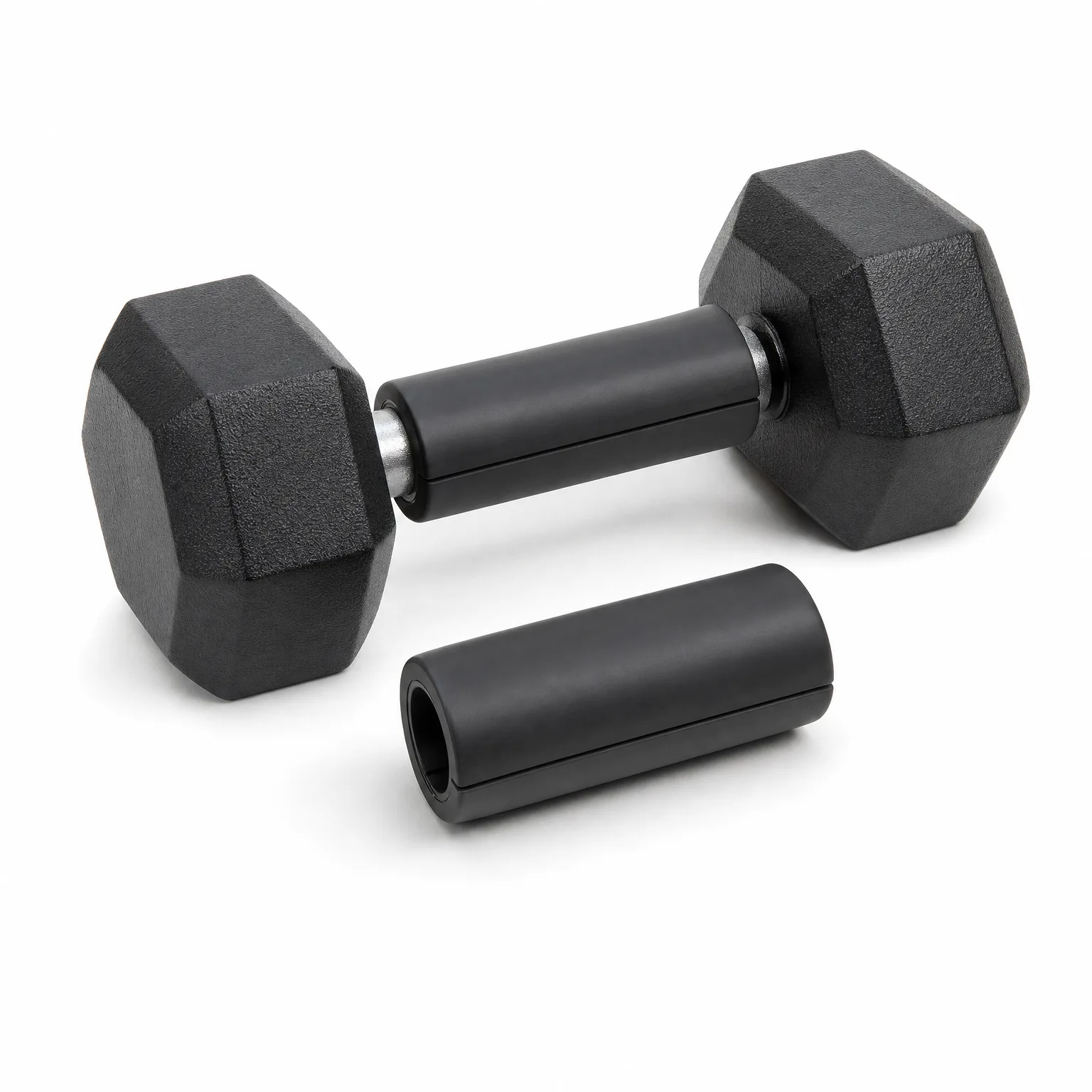
- Category
- Lifting accessories
- Where
- Gym, Home, Travel
- Level
- Intermediate and up
- Space
- Fits in a drawer or a bag
- Typical sizes
- Outer diameter about 45–70 mm (1.75–2.75 in), length about 10–13 cm (4–5 in); a standard bar is 25–29 mm (1–1.1 in) thick
- Also called
- fat grips, fat bar grips, thick grips, grip thickeners, barbell grips, axle grips
What it is used for
- Dumbbell and barbell curls with extra forearm work
- Rows, deadlift holds and farmer's carries for supporting grip
- Pull-ups and dead hangs on a thickened bar
- Pressing exercises, where some people find a wider handle more comfortable in the palm
Types
Cylinder grips. Straight rubber sleeves with a slit. The standard type. Sold in several diameters, with the mid size, around 57 mm (2.25 in), the usual starting point.
Contoured grips. Sleeves shaped to the palm or made wider on one side. More comfortable for pressing, less demanding on the grip than a plain cylinder of the same size.
Cone and ball grips. Separate handles shaped as a cone or sphere that hang from a bar or cable by a strap. They train pinching and open-hand strength, popular with climbers and grapplers.
Axle bar. Not a sleeve but a whole bar about 50 mm (2 in) thick with no rotating sleeves. Used in strongman. The slip-on grips are the portable way to get a similar feel.
How to choose
Pick the diameter by hand size
A mid-size grip of about 57 mm (2.25 in) suits most adults. Smaller hands do better with about 45 mm (1.75 in). The largest sizes are for big hands or for people who have already trained with thick handles.
Choose firm rubber
The grip should keep its shape when squeezed. Soft foam compresses under load, which removes the point of a thick handle and lets it twist on the bar.
Check the fit on your equipment
The inner channel should close tightly around a normal bar. Check the length against your dumbbell handles: a sleeve longer than the space between the heads will not seat properly.
Prefer a non-slip surface
A slightly tacky or textured outside helps sweaty hands. Smooth, shiny rubber is far harder to hold and can make the load you manage jump around from day to day.
How to start using it
- Clip them on and close the slit. Open the slit, press the grip over the handle and turn it so the slit faces away from your palm, toward the fingers. Your grip then holds it shut during the lift.
- Cut the weight. Start with roughly half to two thirds of your normal load on pulling exercises and adjust from there. The first sign you are at the right weight is that the forearms, not the back or biceps, decide when the set ends.
- Begin with one or two exercises. Add the grips to a curl and a row or carry at the end of a session. Forearms and elbows need a few weeks to get used to the extra work, so build up gradually.
- Keep heavy work on a normal bar. Do the main sets for the back and legs with a normal handle, and straps if needed, so those muscles are still loaded fully. Use the thick grips for the sets aimed at the hands.
Common mistakes
Using them on everything
If every pulling set is limited by grip, the back and biceps get less work. Decide which sets are for grip and keep the rest on a normal handle.
Keeping the usual weight
A load that is easy on a normal bar may be impossible to hold on a thick one. Starting too heavy leads to dropped dumbbells and sore elbows.
Using them where a slip is costly
Avoid thick grips on heavy lifts over the face or head, such as bench presses and overhead presses near your limit. An open hand has less control if the bar shifts.
Adding too much grip work at once
Thick-handle sets on top of deadlifts, pull-ups and other grip-heavy training can overload the forearm tendons. If the elbows or wrists ache, cut the volume back.
What to use instead
A small towel wrapped tightly around a bar or dumbbell handle thickens it in the same way. Two towels hung over a pull-up bar, one in each hand, give a hard open-hand grip for hangs and pull-ups. Hand grippers train crushing strength without a bar. Holding weight plates by the rim, or pinching two plates together smooth sides out, also trains the open hand.
-
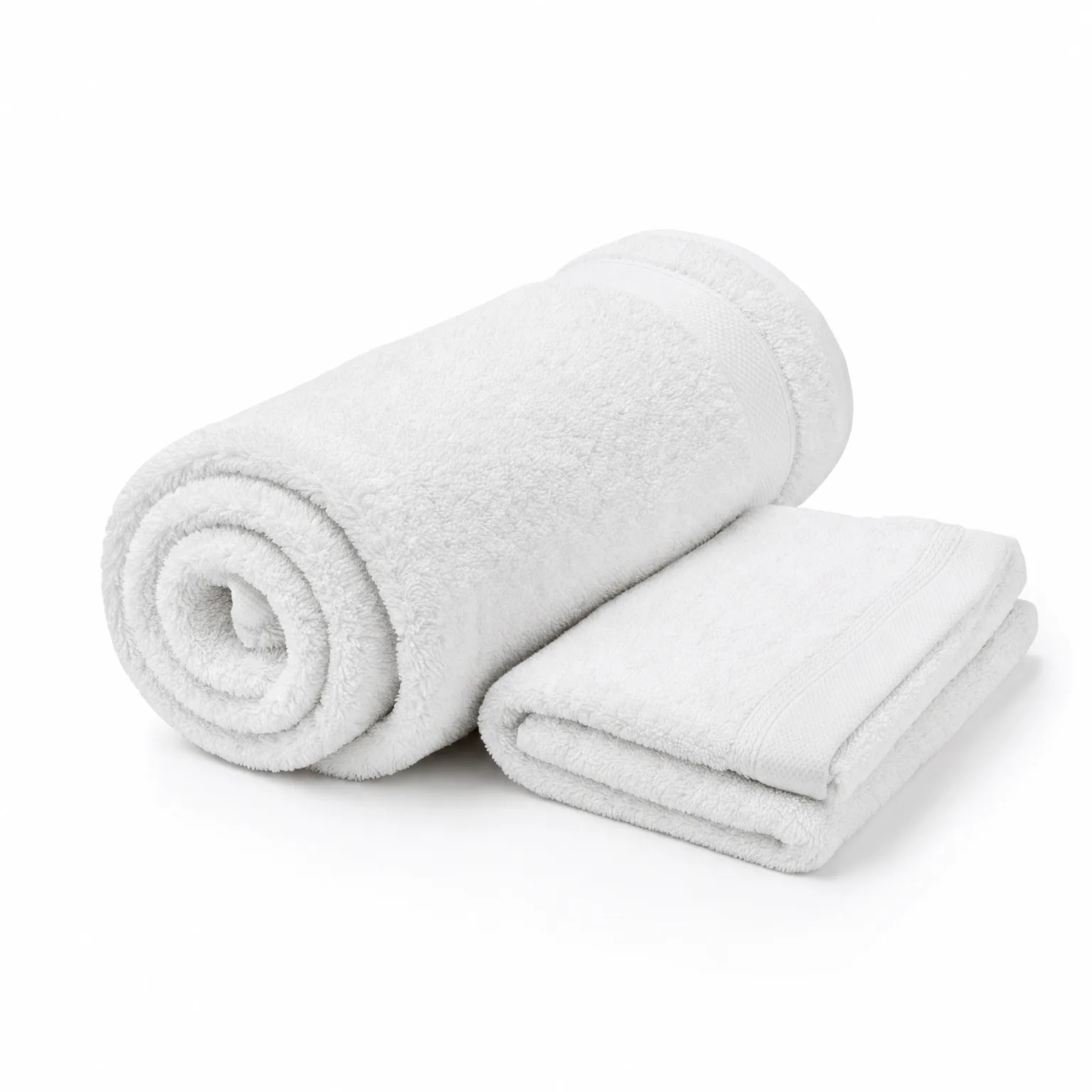
Towel
A towel doubles as sliders on a smooth floor, a stretching strap, a pulling tool for isometric exercises and padding for the knees. -
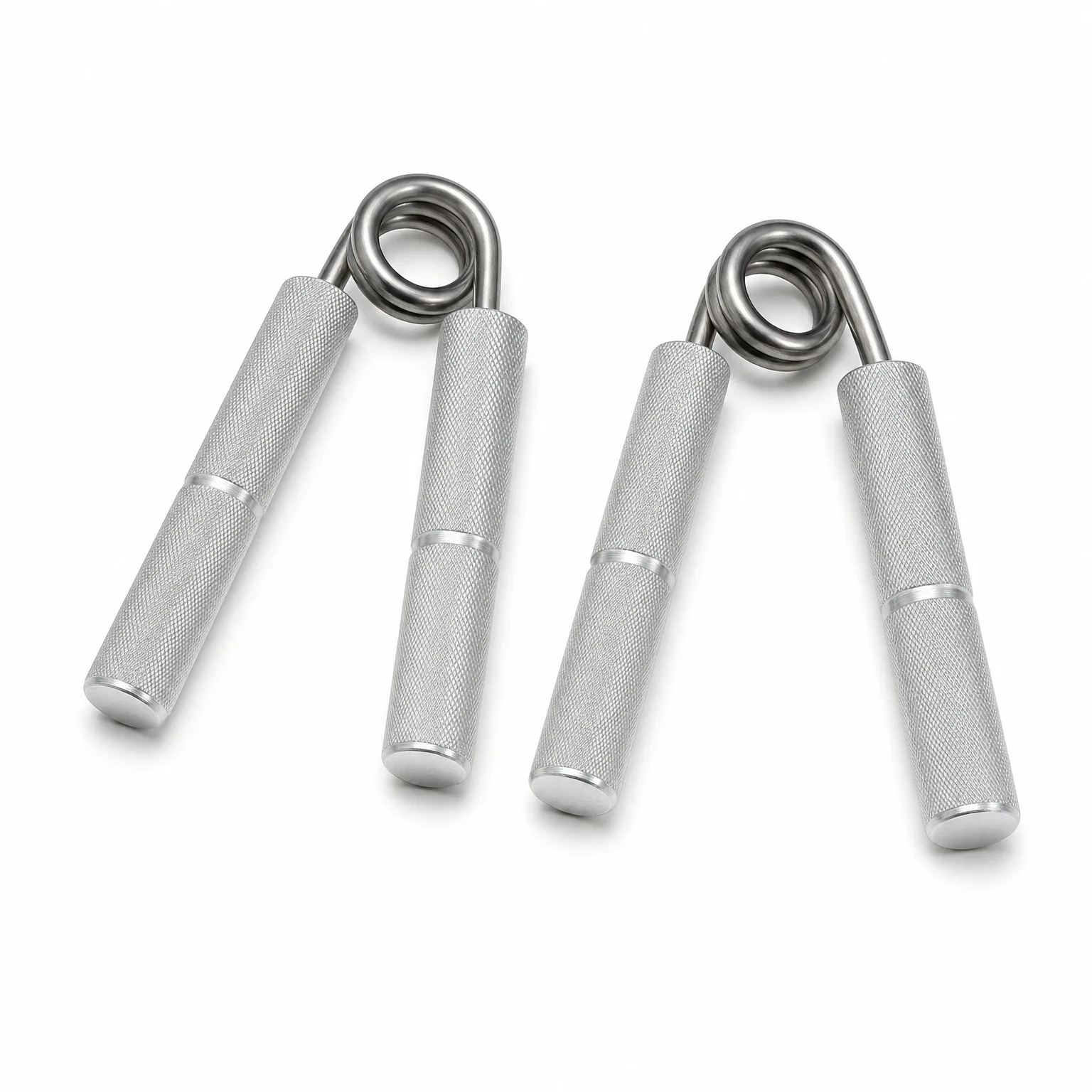
Hand grippers
A spring-loaded pair of handles you squeeze with one hand. Trains the crushing grip and the forearm muscles that close the fingers.
Often used with
-

Dumbbells
A pair of short handles with a weight at each end. One pair trains every major muscle group, at home or in a gym. -

Barbell
A long steel bar loaded with plates at both ends. The standard tool for squats, deadlifts, presses and rows with heavy weight. -
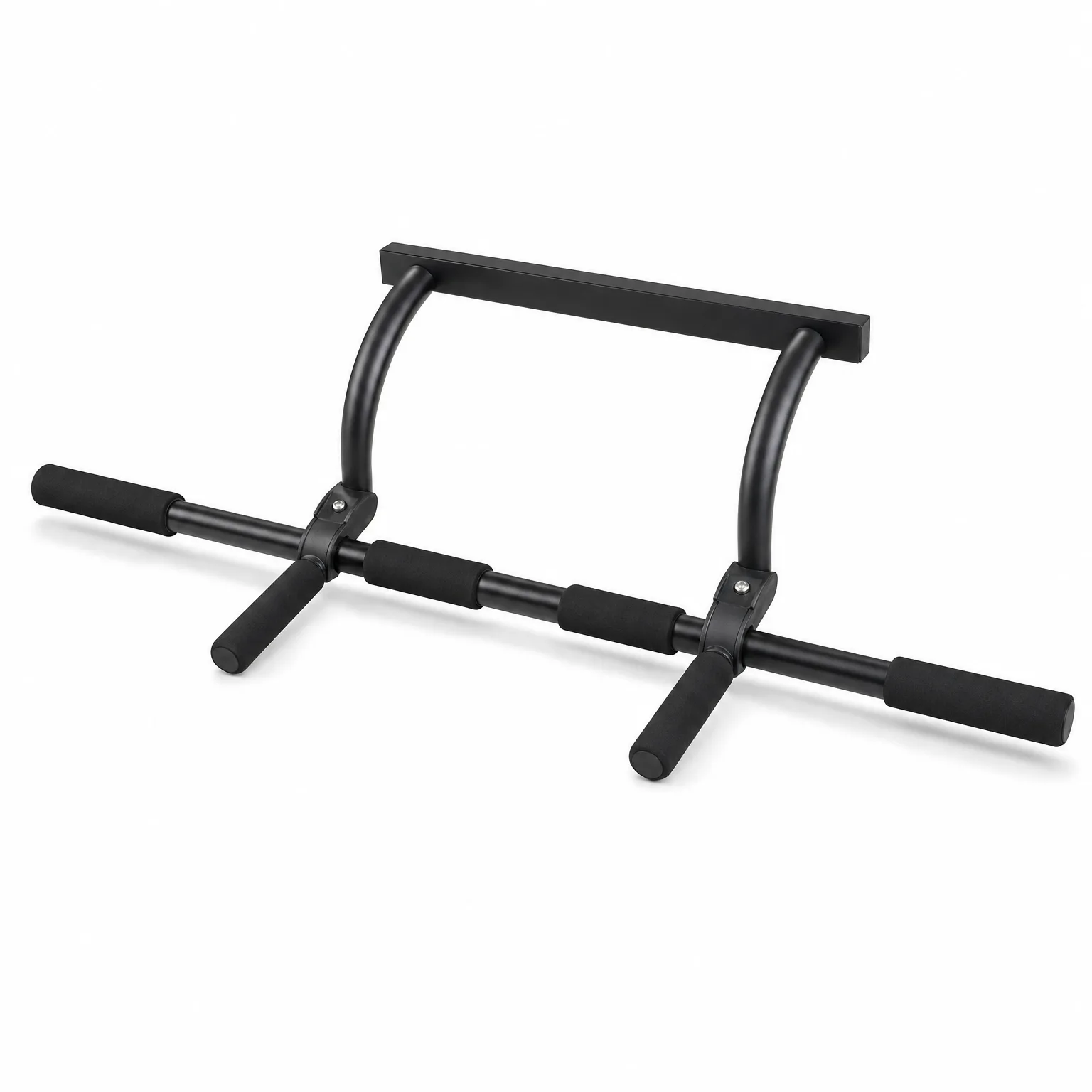
Pull-up bar
A fixed horizontal bar you hang from. Used for pull-ups, chin-ups, hangs and hanging leg raises, at home or outdoors. -
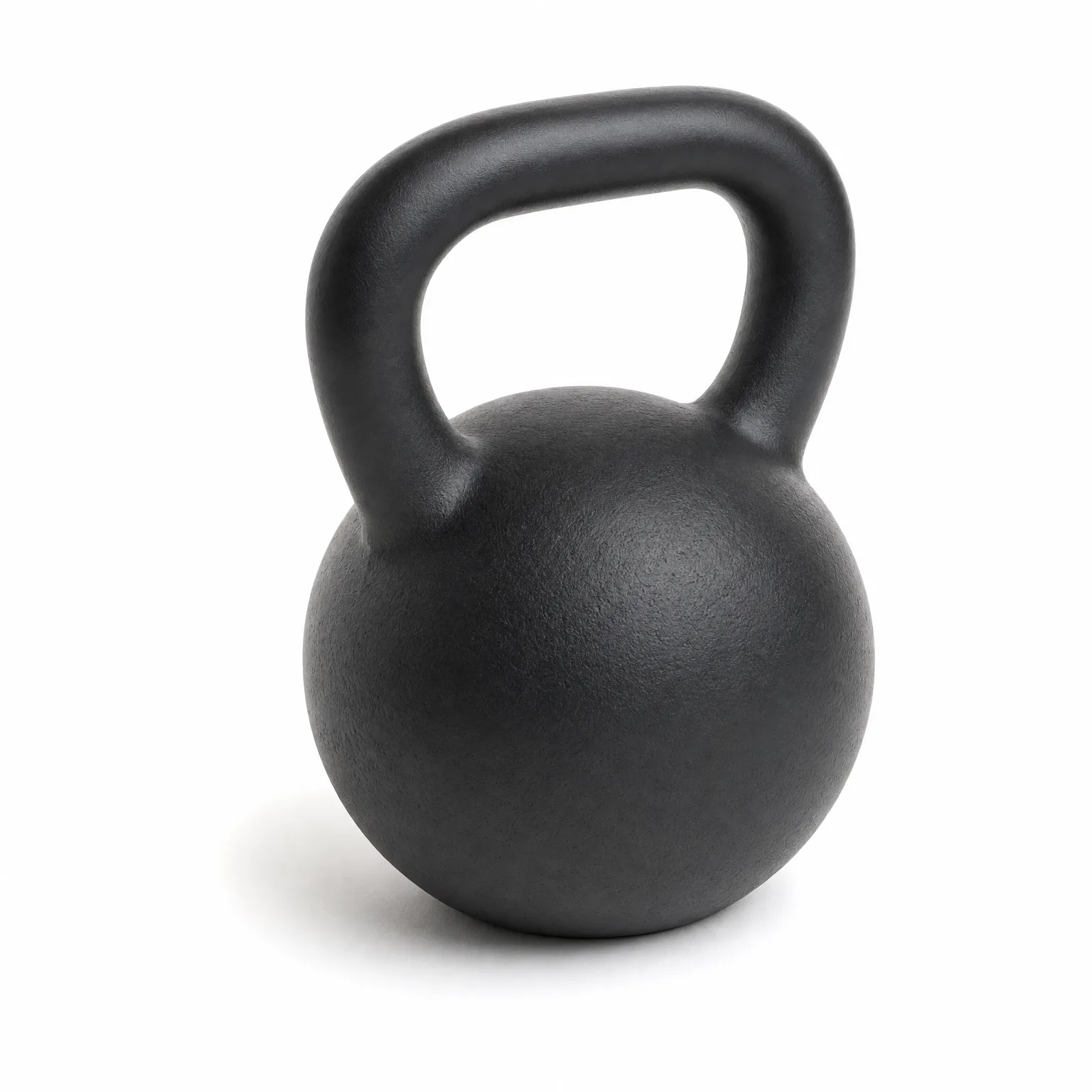
Kettlebell
A cast-iron or steel ball with a flat base and a handle on top. Built for swings, carries, squats and presses with one weight.
Questions about thick bar grips
What do thick bar grips do?
They make the handle wider than the hand can close around. The fingers work from a more open position, so the forearm and hand muscles have to produce more force to hold the same load. Any exercise done with them becomes grip training as well.
Do thick grips build bigger forearms?
They make the forearms work harder on exercises you already do, which is a sound way to train them. Growth still depends on enough hard sets over weeks and on progression, the same as for any muscle. Direct wrist curls and extensions work the forearms too.
What size thick grips should I get?
Most people start with a mid-size grip of about 57 mm (2.25 in). Choose a smaller one, around 45 mm (1.75 in), if you have small hands or find you cannot hold a useful weight. Move to a larger size only once the mid size no longer challenges your grip.
Should you use thick grips for every exercise?
No. They limit the load to what the hands can hold, which shortchanges larger muscles on rows, deadlifts and pull-ups. Use them for a few chosen exercises or for the last sets, and train the rest with a normal grip.
Thick grips or hand grippers?
They train different things. Thick grips train holding an open hand under load, which carries over to carrying and lifting awkward objects. Hand grippers train squeezing the hand shut. Using both covers more of what the hand does.
Build programs around what your client has
This guide comes from OnlineFitness.app, the app online coaches run their clients in.
Free for life for the first 100 coachesNo card