Equipment Functional and conditioning
Hula hoop
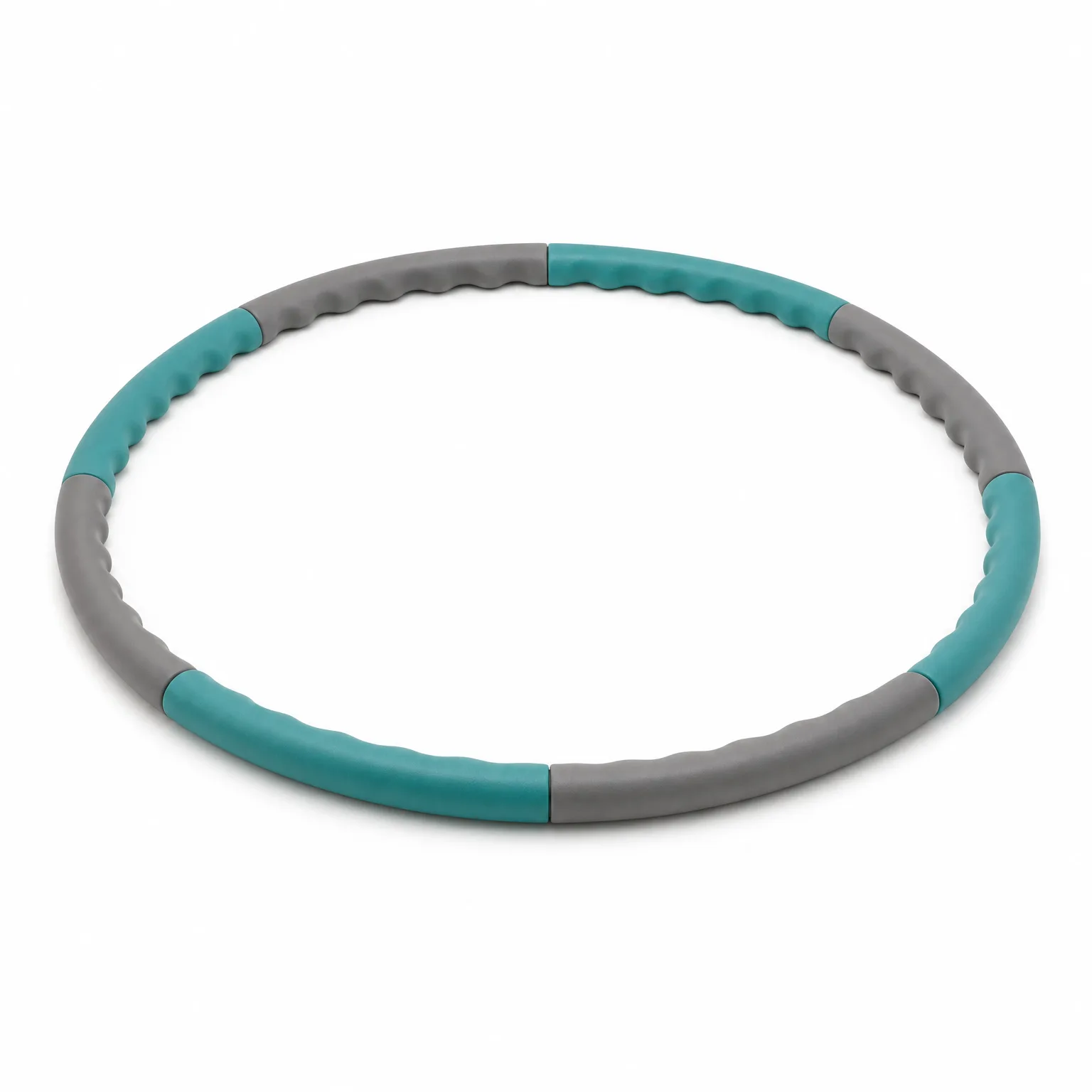
A large hoop you keep spinning around the waist with small hip movements. Fitness versions are bigger and heavier than a toy hoop.
In short
A hula hoop is a large plastic ring that you spin around the waist and keep up with small, rhythmic shifts of the hips. Fitness hoops for adults are wider and heavier than children's toy hoops, which makes them turn more slowly and easier to keep going. Hooping is a light to moderate cardio activity that works the muscles of the trunk and hips.
It needs little skill beyond the basic rhythm, takes little space and is easy to do in short bouts at home. It suits people who want a low-impact way to move more, a warm-up, or something to do while watching a screen. It is not a substitute for strength training of the abs or for harder cardio.
- Category
- Functional and conditioning
- Where
- Home, Outdoors, Gym
- Level
- Beginner and up
- Space
- Needs a corner of a room
- Typical sizes
- Adult hoops about 90–110 cm (36–43 in) across; weighted hoops about 0.5–2 kg (1–4.5 lb)
- Also called
- weighted hula hoop, fitness hoop, exercise hoop, weighted hoop, smart hula hoop, hoola hoop
Muscles it works
- Also works
- Lower back, Glutes, Quads
What it is used for
- Waist hooping as light to moderate, low-impact cardio
- Working the abs, obliques and hip muscles through continuous small movements
- Coordination and rhythm practice
- A warm-up for the trunk and hips before other training
- Arm and hand hooping and dance-style tricks with lighter hoops
Types
Weighted fitness hoop. A padded hoop of about 0.7–1.5 kg, often in sections that snap together. Slow rotation makes it the easiest to learn on.
Dance hoop. A light, thin polypro or HDPE hoop. Fast and responsive, used for tricks and off-body moves. Harder to keep on the waist at first.
Smart hoop. A linked belt that fastens around the waist with a weight on a short cord running on a track. It cannot fall, and it fits small spaces.
Massage hoop. A weighted hoop with bumps or ridges on the inner side. The bumps press into the waist and make bruising more likely.
How to choose
Bigger and a bit heavier to learn
A large hoop turns slowly and gives you time to react. For a beginner, a hoop that reaches between the navel and the lower chest when stood on its edge, and weighs about 0.7–1.2 kg, is a good start.
Do not go too heavy
Heavier is not better. Hoops of 2 kg and more hit the waist hard on every turn and commonly leave bruises. Stay in the 0.5–1.5 kg range unless you have experience.
Smooth and padded inside
A foam-covered, smooth inner surface is kinder to the skin and ribs than hard plastic with ridges. Leave massage bumps for later, or skip them.
Sectional for storage
A hoop that splits into 6–8 pieces stores in a drawer and travels. Check that the joints click firmly so it does not come apart in use.
How to start using it
- Take a staggered stance. Stand with one foot a little ahead of the other, knees soft. Hold the hoop level against the lower back, just above the hips. Make sure there is clear space of about 1.5 m (5 ft) around you.
- Spin and shift. Give the hoop a firm, level push in one direction. Then shift your weight forward and back between the feet, pushing into the hoop each time it touches the stomach and the back. It is a rocking motion, not a circle.
- Rescue a falling hoop. When the hoop starts to drop, bend the knees and speed up the hip movement to push it back up. Turning your body in the direction of the spin also buys time.
- Start with short bouts. With a weighted hoop, do 2–5 minutes at first and build up over two or three weeks to 10–20 minutes. Practice in both directions so each side does equal work. Wear a fitted top over the waist.
Common mistakes
Circling the hips
Swirling the hips around in a big circle chases the hoop and it drops. Use a small, quick forward and back or side to side push.
A hoop that is too small or too light
A child's toy hoop spins too fast for most adults to keep up. If you cannot keep it up at all, the hoop is the likely problem. Try a larger, heavier one.
Too long on the first day
A long first session with a weighted hoop often leaves the waist sore and bruised. Keep early sessions to a few minutes and let the skin and muscles adapt.
Always spinning one way
Everyone has a preferred direction. Hooping only that way works one side more. Split the time between both directions, even if the second feels clumsy.
What to use instead
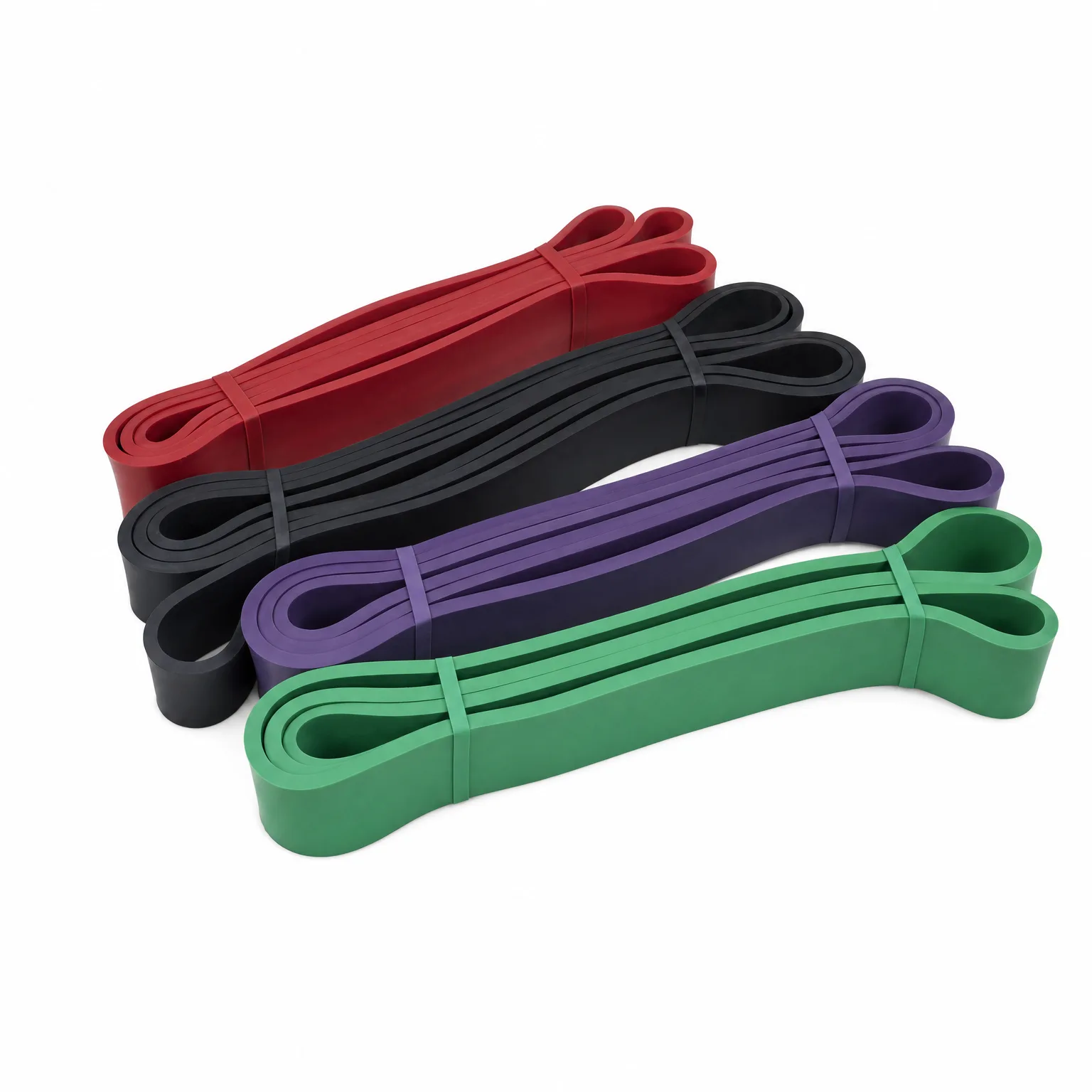
For light cardio at home, a jump rope gives more intensity in the same space, while a mini stepper or a walking pad gives a similar easy, low-impact effort you can keep up for longer. For the trunk itself, floor exercises on a mat such as side planks, dead bugs and standing rotations with a resistance band train the abs and obliques more directly.
-
Jump rope
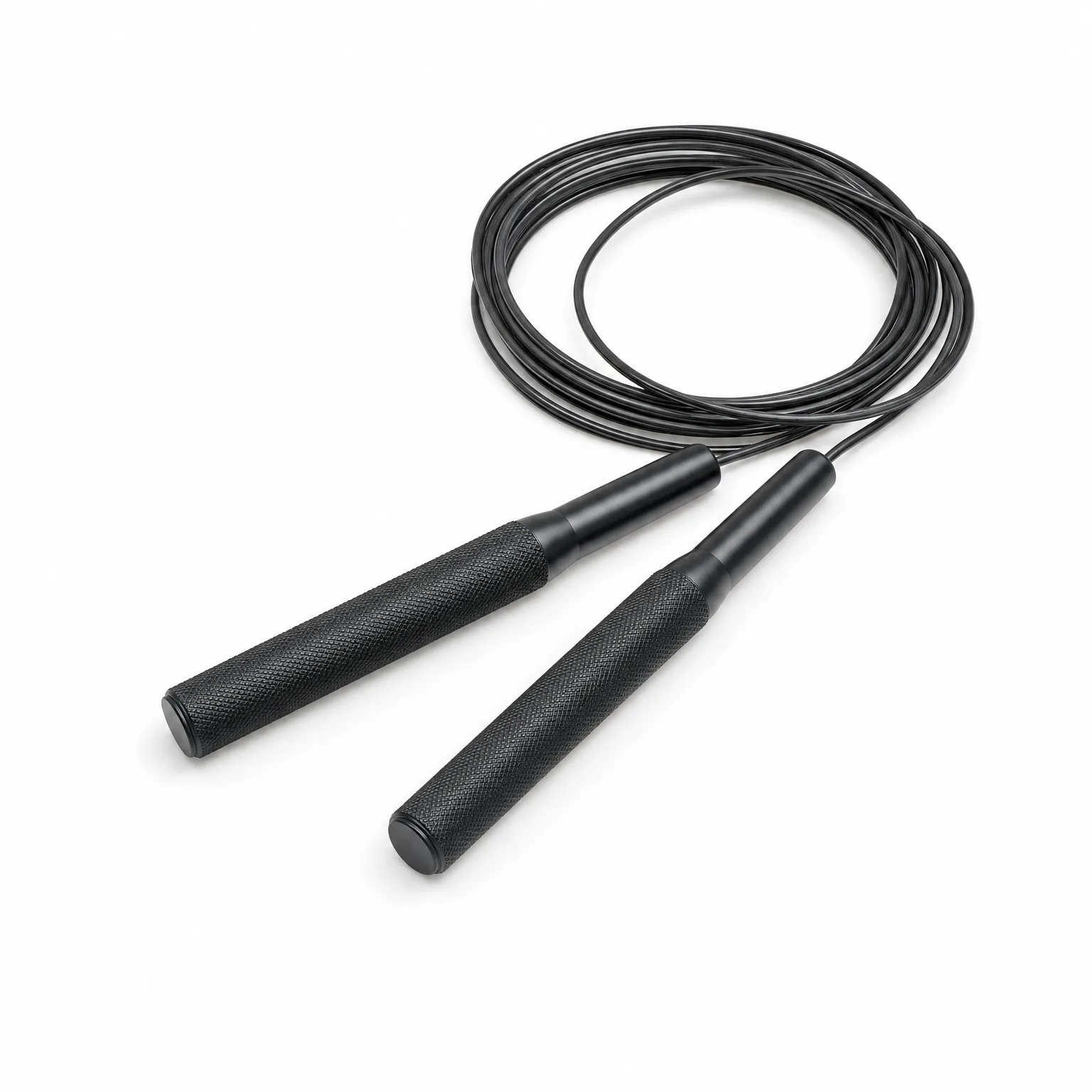
A rope with two handles that you swing over your head and jump. Hard cardio and footwork practice that fits in a pocket. -
Mini stepper
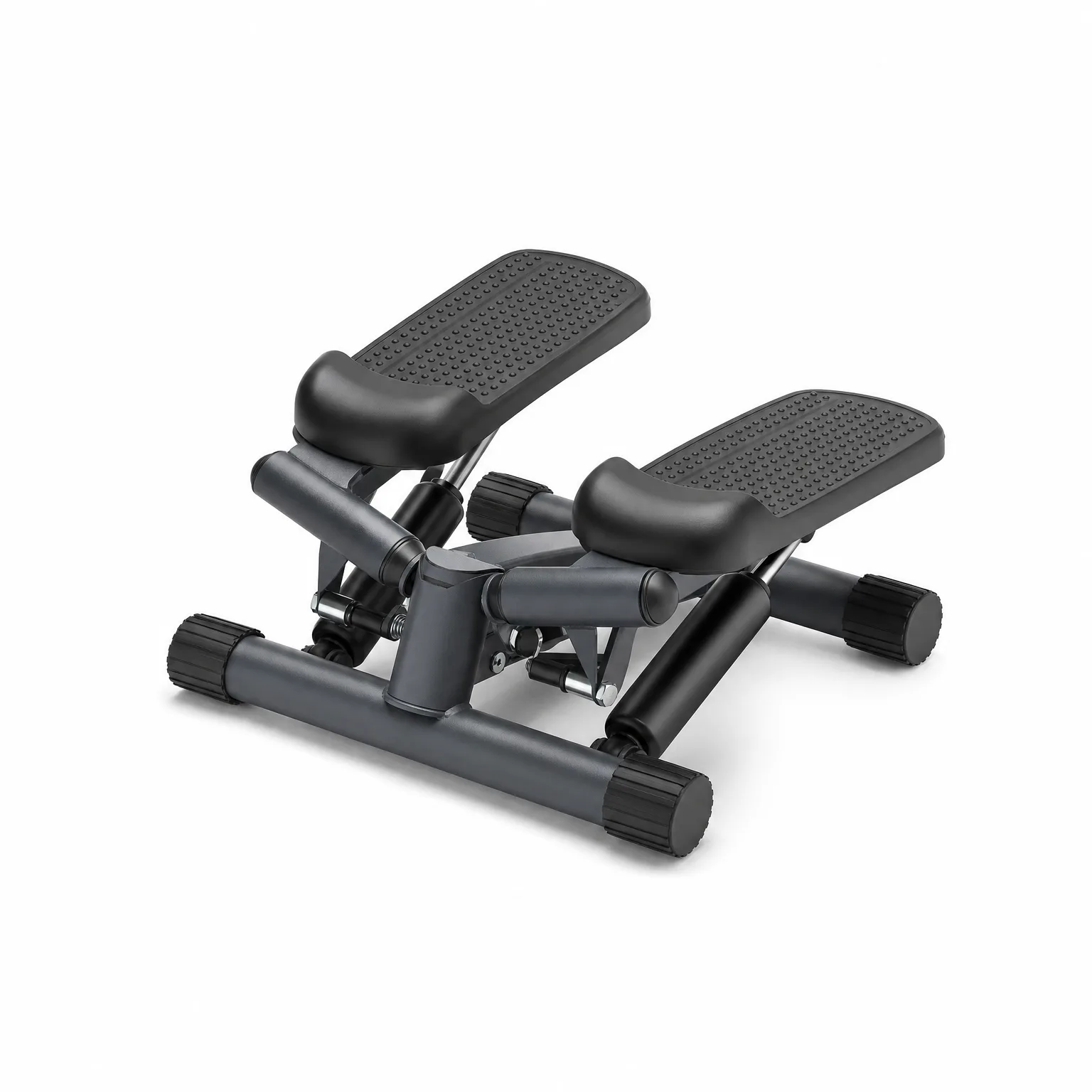
A small home machine with two pedals on hydraulic cylinders. You step in place to train the legs and raise the heart rate. -
Walking pad
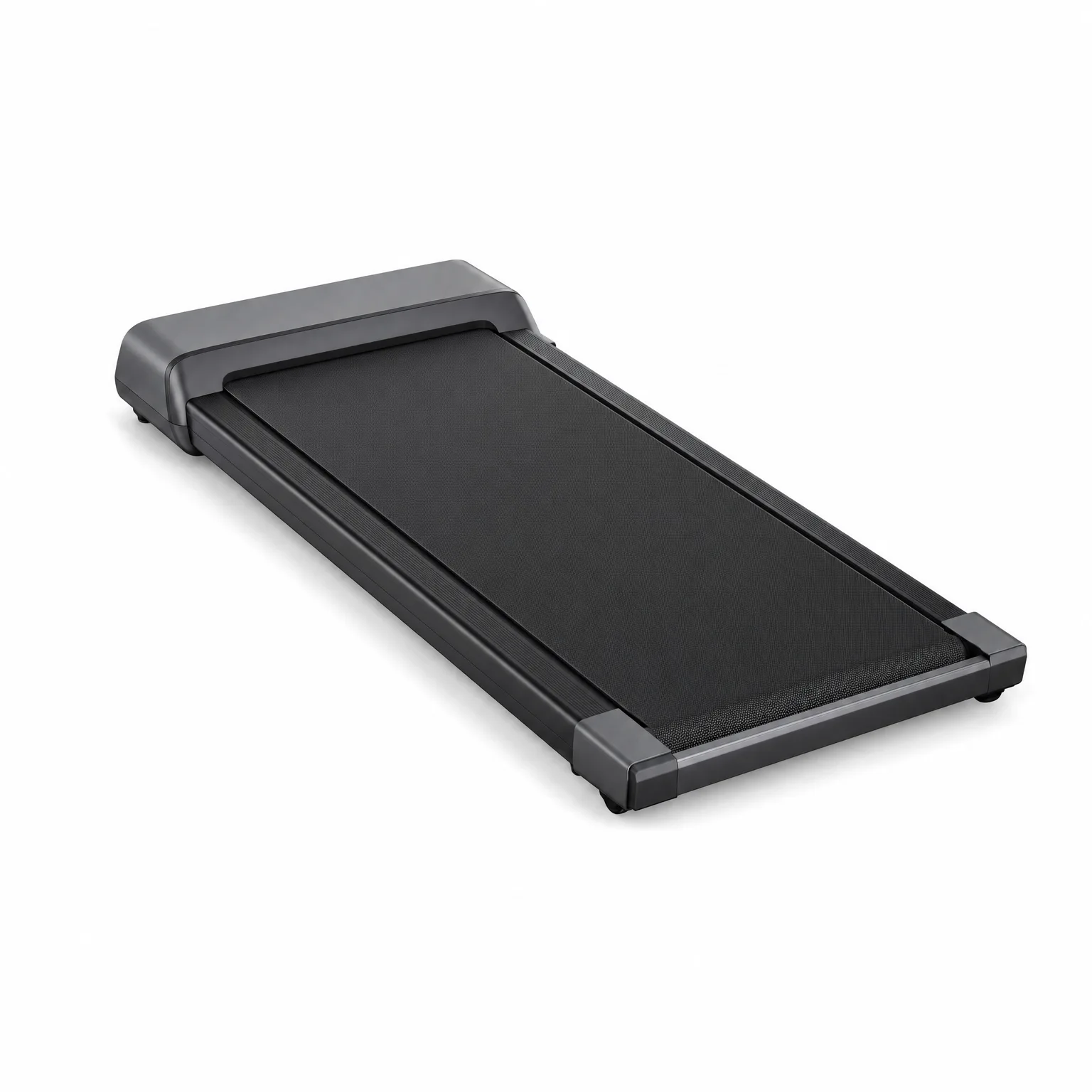
A flat, low-speed treadmill without a console or tall handrails. It slides under a standing desk or a sofa and is built for walking.
Often used with

Questions about hula hoop
What size hula hoop should an adult use?
Stand the hoop on its edge in front of you. For learning, it should reach somewhere between the navel and the lower chest, which is about 95–105 cm (37–41 in) across for most adults. Larger bodies and beginners do better with a bigger hoop, because it turns more slowly.
How heavy should a weighted hula hoop be?
About 0.7–1.2 kg (1.5–2.5 lb) suits most beginners. A hoop in that range keeps its momentum without hitting the waist hard. Hoops near or above 2 kg are more likely to bruise and are not needed for a good session.
Is hula hooping good exercise?
It is light to moderate cardio that keeps the trunk and hip muscles working, and it is easy to do often. It counts toward your weekly activity. For strength, or for high fitness levels, combine it with resistance training and harder cardio.
Does a weighted hula hoop slim your waist?
No exercise removes fat from one chosen area. Hooping uses energy and works the trunk muscles, so it can be part of an overall plan that includes eating and regular activity, but where the body loses fat is not decided by the exercise.
Why do I get bruises from a weighted hula hoop?
The hoop strikes the same band of skin on every turn, and a heavy or ridged hoop strikes harder. Use a lighter, smooth, padded hoop, wear a fitted top, and keep the first sessions to a few minutes. If bruising continues, stop and choose a lighter hoop.
Build programs around what your client has
This guide comes from OnlineFitness.app, the app online coaches run their clients in.
Free for life for the first 100 coachesNo card