Park bench
A fixed outdoor bench gives two heights for training: the seat for step-ups, dips and split squats, the backrest for easier push-ups.
In short
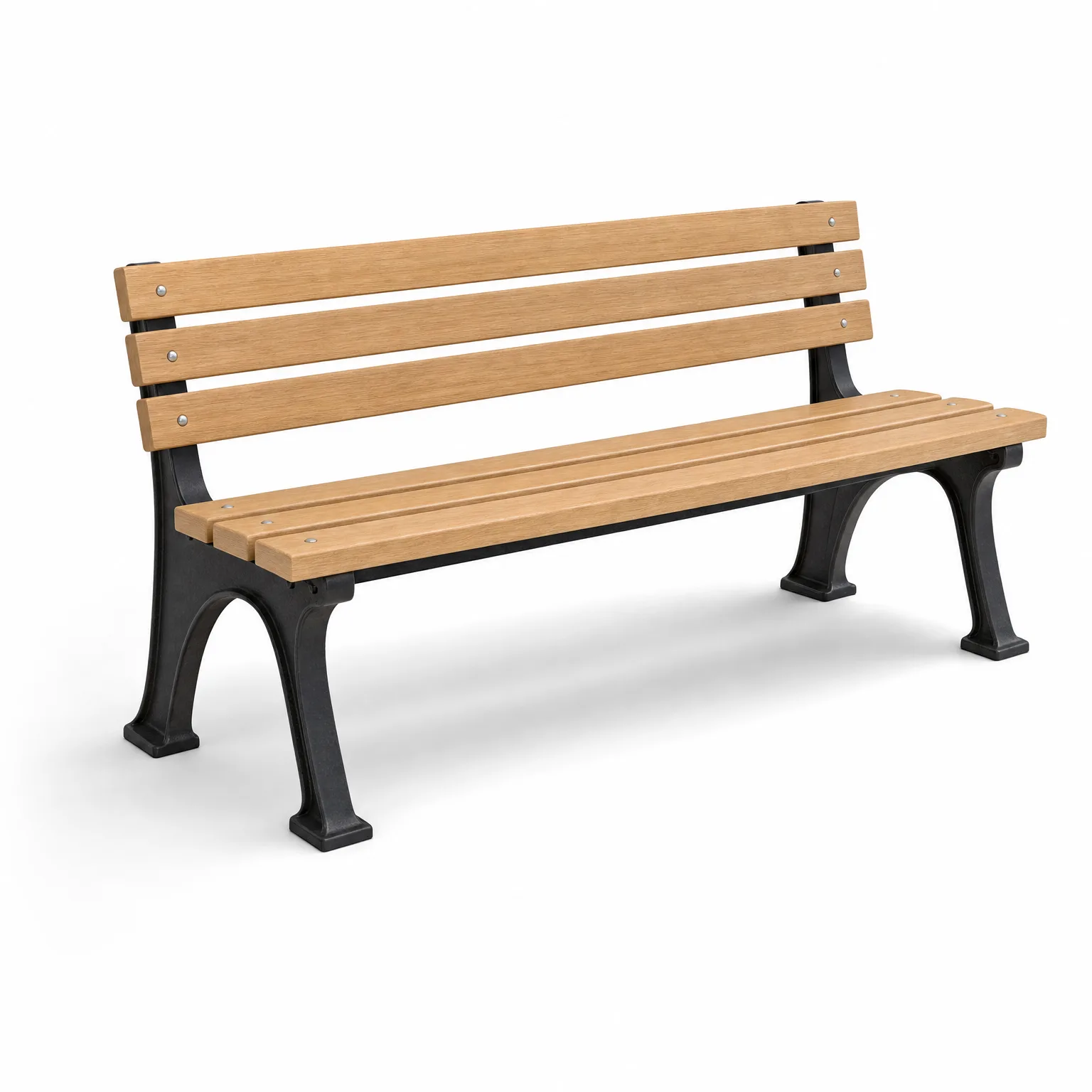
A park bench is a public seat that is often bolted or set into the ground, which makes a fixed one among the most stable training platforms you can find outdoors. It offers two working heights. The seat, about knee high, serves for step-ups, split squats, dips, hip thrusts and push-ups. The top of the backrest, about waist high, makes push-ups easier still.
It suits anyone who trains outside: runners adding a strength circuit, beginners who want easier versions of push-ups, and travelers without a gym. Compared with a chair at home, a fixed bench is wider, heavier and does not tip, so it also takes faster movements. Its limits are the weather and the fact that you have to share it.
- Category
- Everyday items
- Where
- Outdoors, Travel
- Level
- Beginner and up
- Space
- Needs a corner of a room
- Typical sizes
- Seat height about 40–48 cm (16–19 in); top of the backrest roughly 80–90 cm (31–35 in)
- Also called
- outdoor bench, park bench workout, park bench exercises, street bench, outdoor workout bench, public bench
Muscles it works
- Also works
- Hamstrings, Calves, Abs, Front delts
What it is used for
- Step-ups, sit-to-stands and rear-foot-elevated split squats on the seat
- Incline push-ups on the seat or backrest, decline push-ups with the feet on the seat
- Triceps dips with the hands on the front edge of the seat
- Hip thrusts and single-leg hip thrusts with the upper back on the seat edge
- Calf raises off the edge, and mountain climbers and planks with hands on the seat
How to choose
Fixed to the ground
Pick a bench that is bolted down or set in concrete. Push and pull on it before you start. Free-standing benches, light metal ones and picnic-style seats can tip when you load the front edge or the backrest.
Sound slats and a flat seat
Look for broken, loose or rotten boards, protruding screws, splinters and gaps wide enough to catch a toe. A flat seat is better than a deeply curved one, which tilts the foot in step-ups.
Dry and clean
Wet wood and painted metal are slippery. After rain or frost, wipe the surface and test your grip with hands and shoes, or leave jumps and step-ups for another day. Check for dirt and broken glass.
Stable ground in front
You need level ground for the feet: paving, packed gravel or short grass. Mud, loose gravel and slopes make push-ups and split squats unsteady.
A bench nobody needs
Choose a quiet spot and a time when the bench is not in demand, wipe off your footprints afterward, and give it up if someone wants to sit.
How to start using it
- Pick the height for your push-ups. The higher the hands, the easier the push-up. Start with hands on the top of the backrest if floor push-ups are too hard, then move down to the seat, then to the ground, then put the feet on the seat for the hardest version. Keep the body straight from head to heels throughout.
- Step-ups with the whole foot on the seat. Place one whole foot on the seat, well back from the edge. Lean slightly forward and stand up by pushing through that foot, without springing off the ground leg. Step down under control. Do all reps on one leg, then switch.
- Dips from the front edge. Sit on the edge, put the hands beside the hips with fingers over the front, and slide the hips just clear of the seat. Bend the elbows straight back until the upper arms are about parallel to the ground, then press up. Bent knees make it easier, straight legs harder.
- Build a circuit. A simple session: 10 step-ups per leg, 10 incline push-ups, 10 split squats per leg, 10 dips and a 30‑second plank with hands on the seat. Rest a minute and repeat three to five times. Add a short jog between rounds if you like.
Common mistakes
Not testing the bench
Benches loosen, rot and rust. A slat that gives way under a step-up or a bench that rocks during dips is a fall waiting to happen. Shake it and inspect it every time, even a bench you know.
Jumping onto a wet or narrow seat
Box jumps need a wide, dry, non-slip surface and a bench that cannot move. If any of these is missing, do step-ups. Always step down from a jump instead of jumping backward.
Dips with the hips far from the edge
Letting the hips drift forward and dropping very low strains the front of the shoulders. Keep the back close to the bench and stop when the upper arms are about parallel to the ground.
Sagging hips in incline push-ups
An easier angle tempts people to let the hips drop or the elbows flare wide. Squeeze the glutes, keep a straight line, and bring the chest to the edge of the bench, not the chin.
Pushing off the bottom leg in step-ups
Bouncing off the ground foot takes the work away from the leg on the bench. Keep the lower foot light and let the top leg do the lifting.
What to use instead
The gym equipment a park bench stands in for is a weight bench, a plyo box and a step platform, all of which have a known height and a non-slip surface. Outdoors, a low wall, a solid step, a curb or the lower steps of a staircase do most of the same jobs. At home, a sturdy chair braced against a wall or the edge of a sofa replaces it for dips, split squats, incline push-ups and hip thrusts.
-
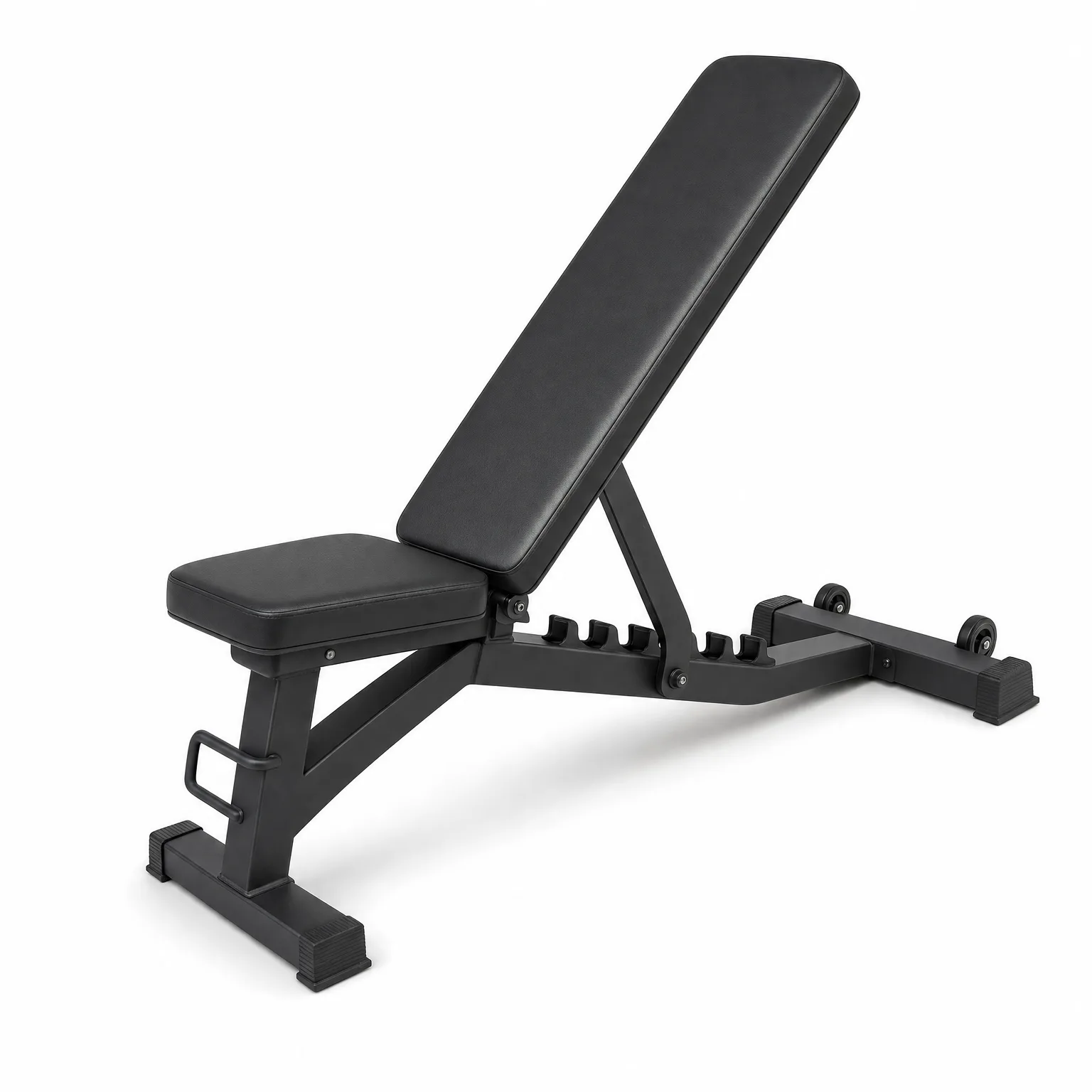
Weight bench
A padded bench you lie, sit or lean on while lifting. It supports the body for presses, rows, hip thrusts and seated work. -
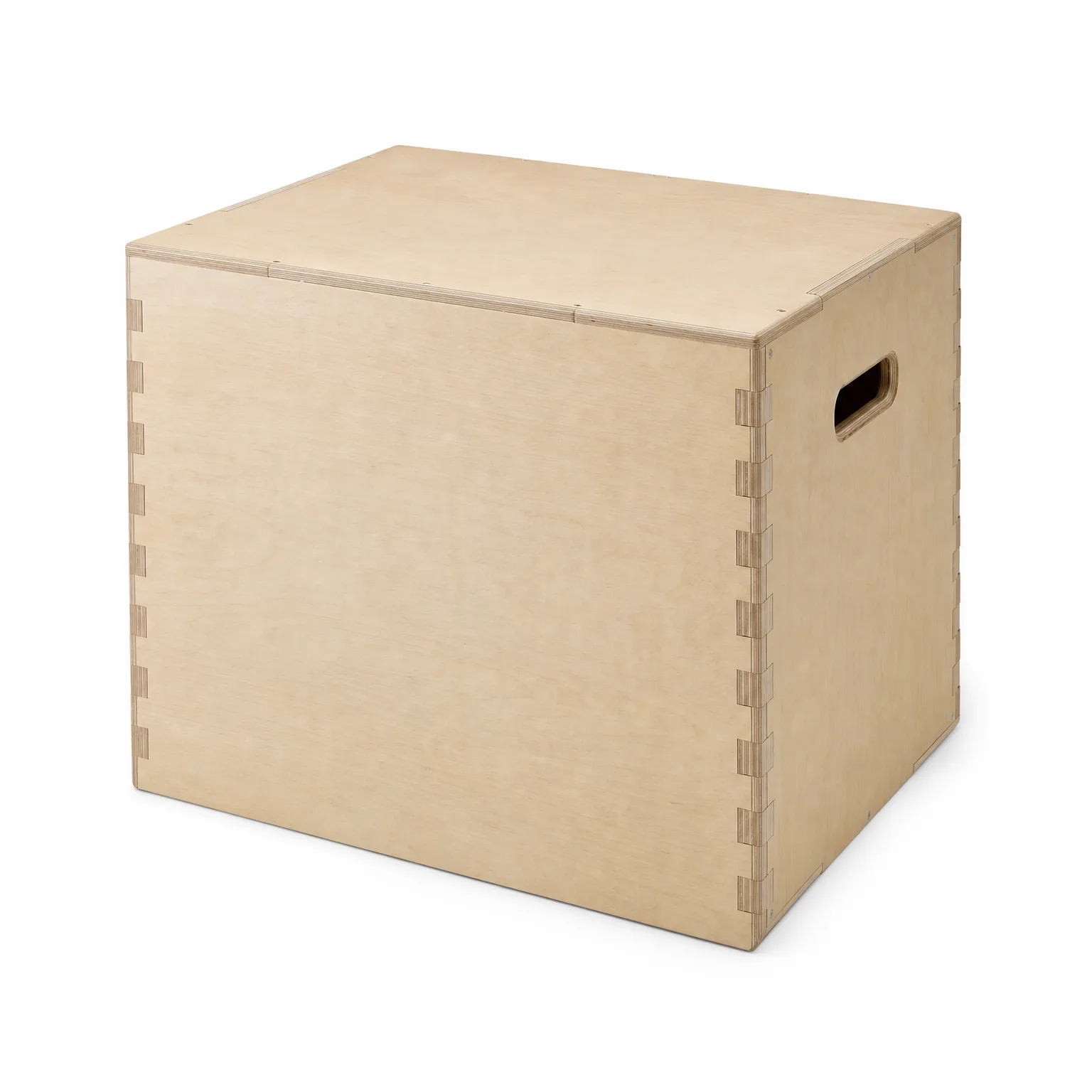
Plyo box
A sturdy box for jumping onto and stepping up on. Used for box jumps, step-ups, box squats and raised push-ups. -
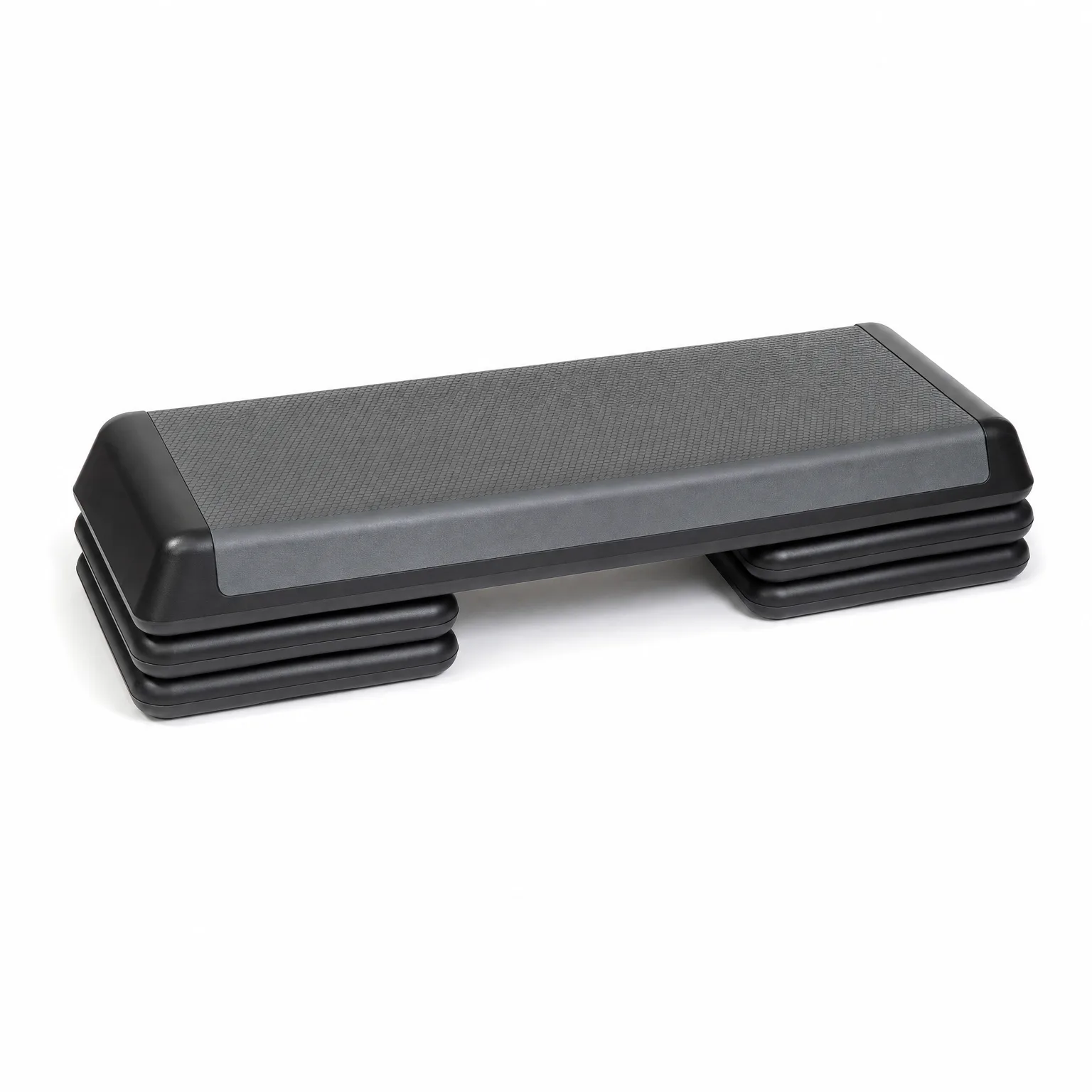
Step platform
A low, wide platform with removable risers. Used for step aerobics, step-ups, calf raises and as a low bench. -
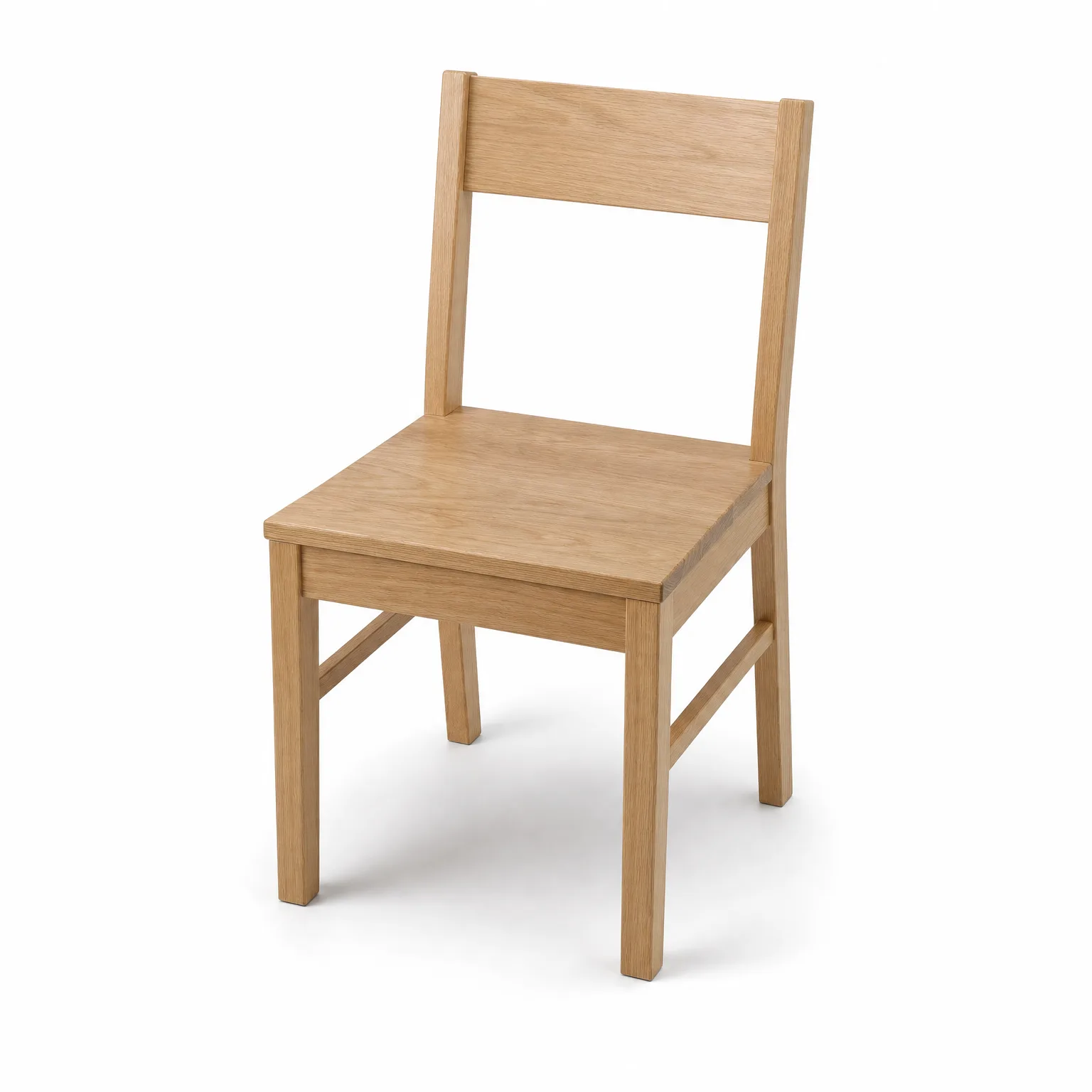
Chair
A sturdy household chair stands in for a bench, a low box or dip bars: sit-to-stands, step-ups, dips, split squats and incline push-ups.
Often used with
-
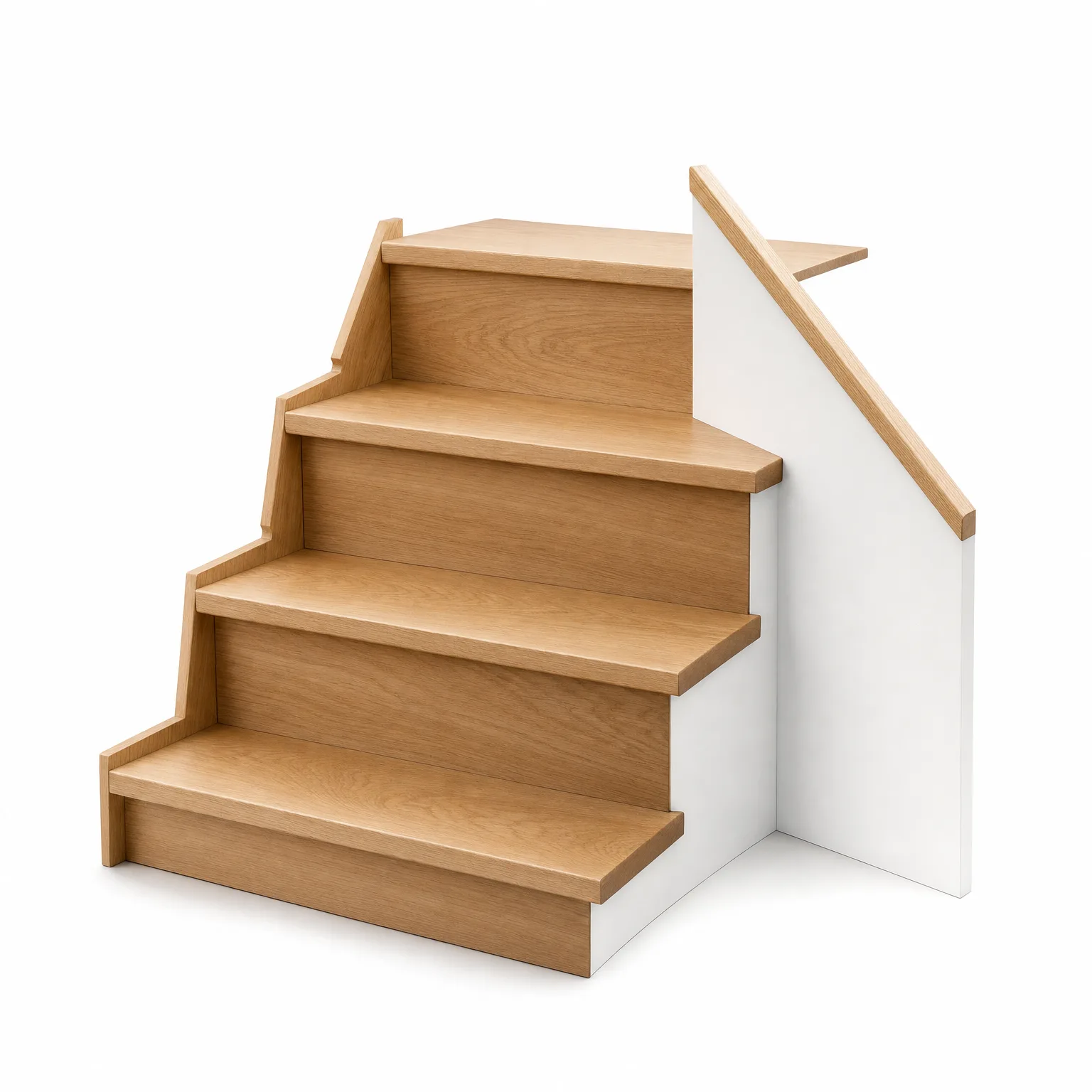
Stairs
A staircase or a single step replaces a step platform, a low plyo box and a stair climber: step-ups, calf raises and stair climbing. -
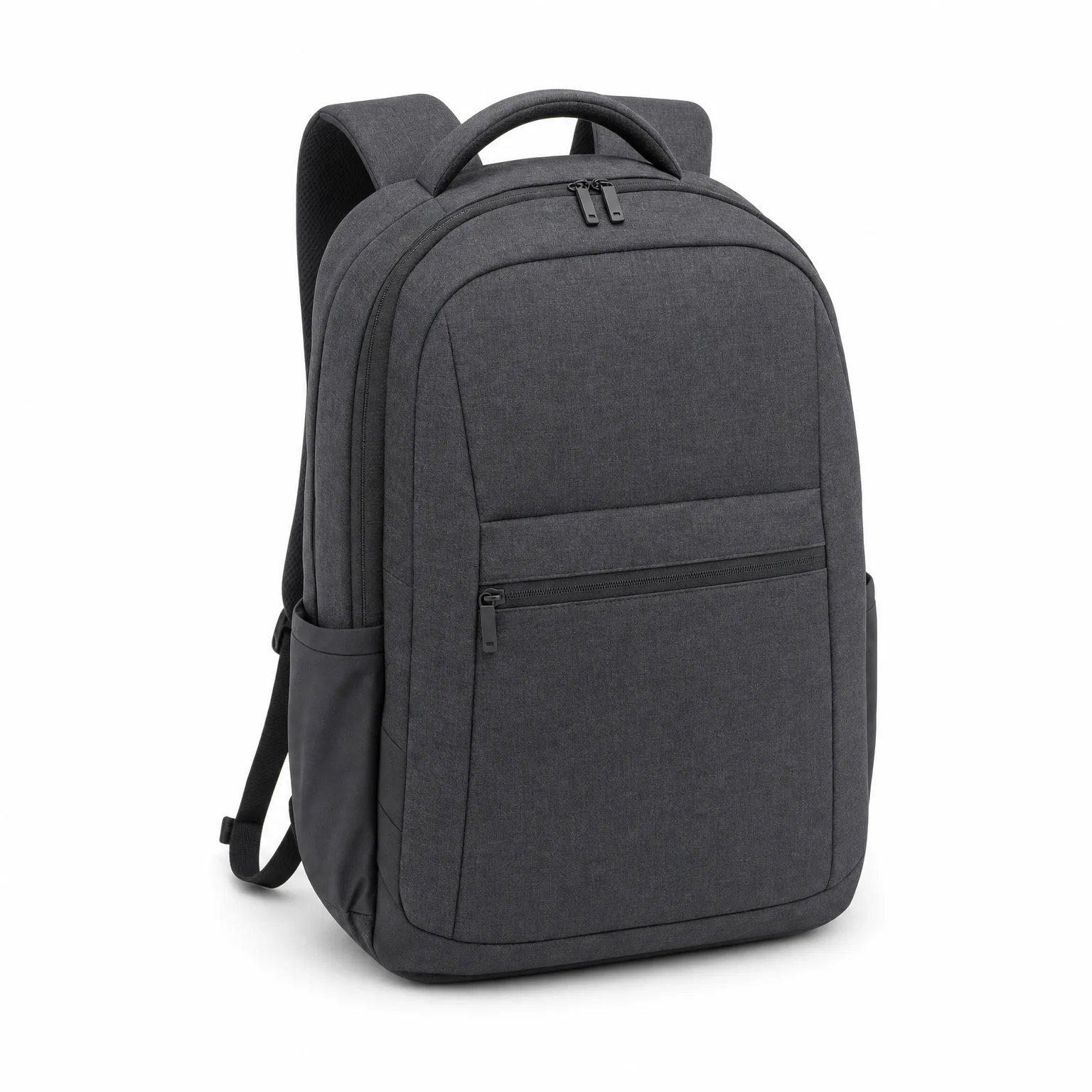
Loaded backpack
An ordinary backpack filled with books or water bottles works as an adjustable weight for squats, rows, push-ups and loaded walks. -
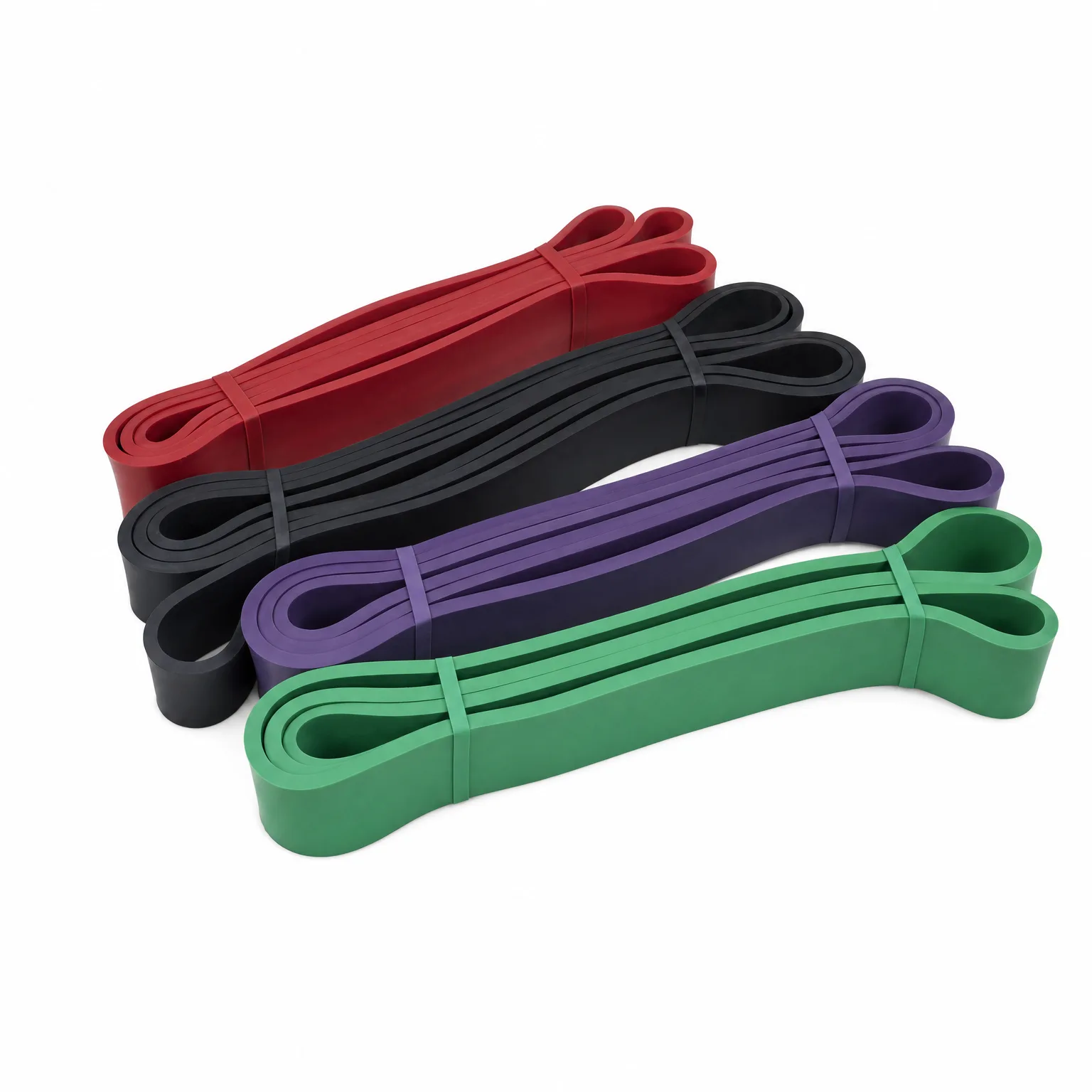
Resistance bands
Long closed loops of thick rubber. They add resistance to rows, presses and squats, or take weight off in pull-ups and dips. -
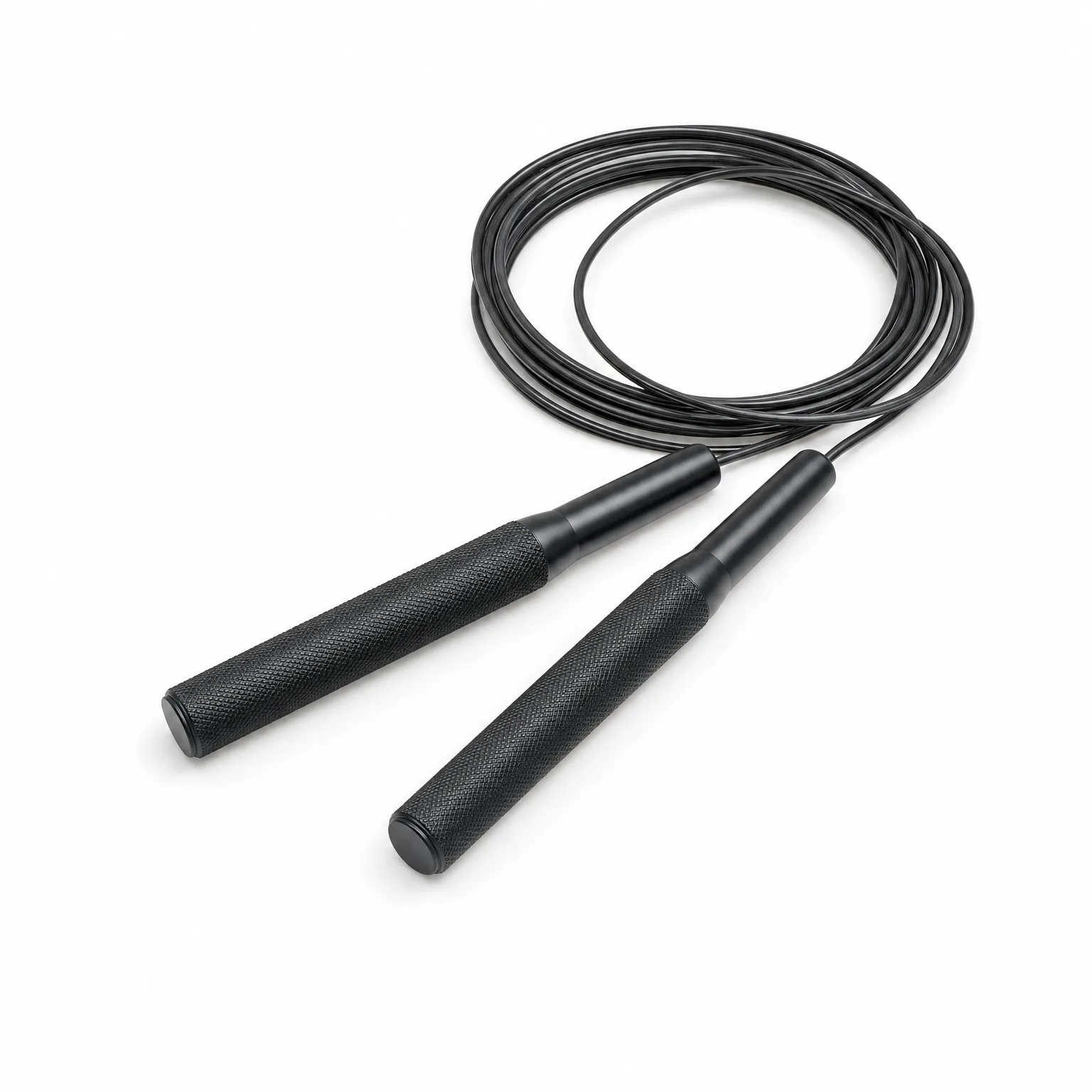
Jump rope
A rope with two handles that you swing over your head and jump. Hard cardio and footwork practice that fits in a pocket.
Questions about park bench
What exercises can you do on a park bench?
Step-ups, sit-to-stands, rear-foot-elevated split squats, hip thrusts, incline and decline push-ups, triceps dips, calf raises, mountain climbers and planks with hands or feet on the seat. Experienced people also use a wide, flat, dry, fixed bench for box jumps. Together these train the legs, glutes, chest, triceps and trunk.
Can beginners do a park bench workout?
Yes. The bench makes hard exercises easier: push-ups with hands on the backrest, squats down to the seat and low step-ups are all beginner versions. Start with two rounds of a short circuit and add rounds or harder versions over the following weeks.
Are park bench dips bad for the shoulders?
They put the shoulder in an extended position that some people find uncomfortable. Keeping the hips close to the bench, the shoulders down and the depth to about upper arms parallel makes them more comfortable. If they still bother you, replace them with close-grip push-ups on the seat.
How high is a park bench?
The seat is typically around 40–48 cm (16–19 in) from the ground, about the same as a dining chair, though designs vary. The top of the backrest is usually around 80–90 cm (31–35 in). Check the height against your knee before step-ups and jumps.
What can I add to a park bench workout?
A loaded backpack adds weight to step-ups, split squats and hip thrusts. A resistance band looped around a slat or the frame allows rows and presses. Nearby stairs, a pull-up bar in an outdoor gym or a jump rope turn the bench into the center of a full session.
Build programs around what your client has
This guide comes from OnlineFitness.app, the app online coaches run their clients in.
Free for life for the first 100 coachesNo card