Equipment Functional and conditioning
Sledgehammer
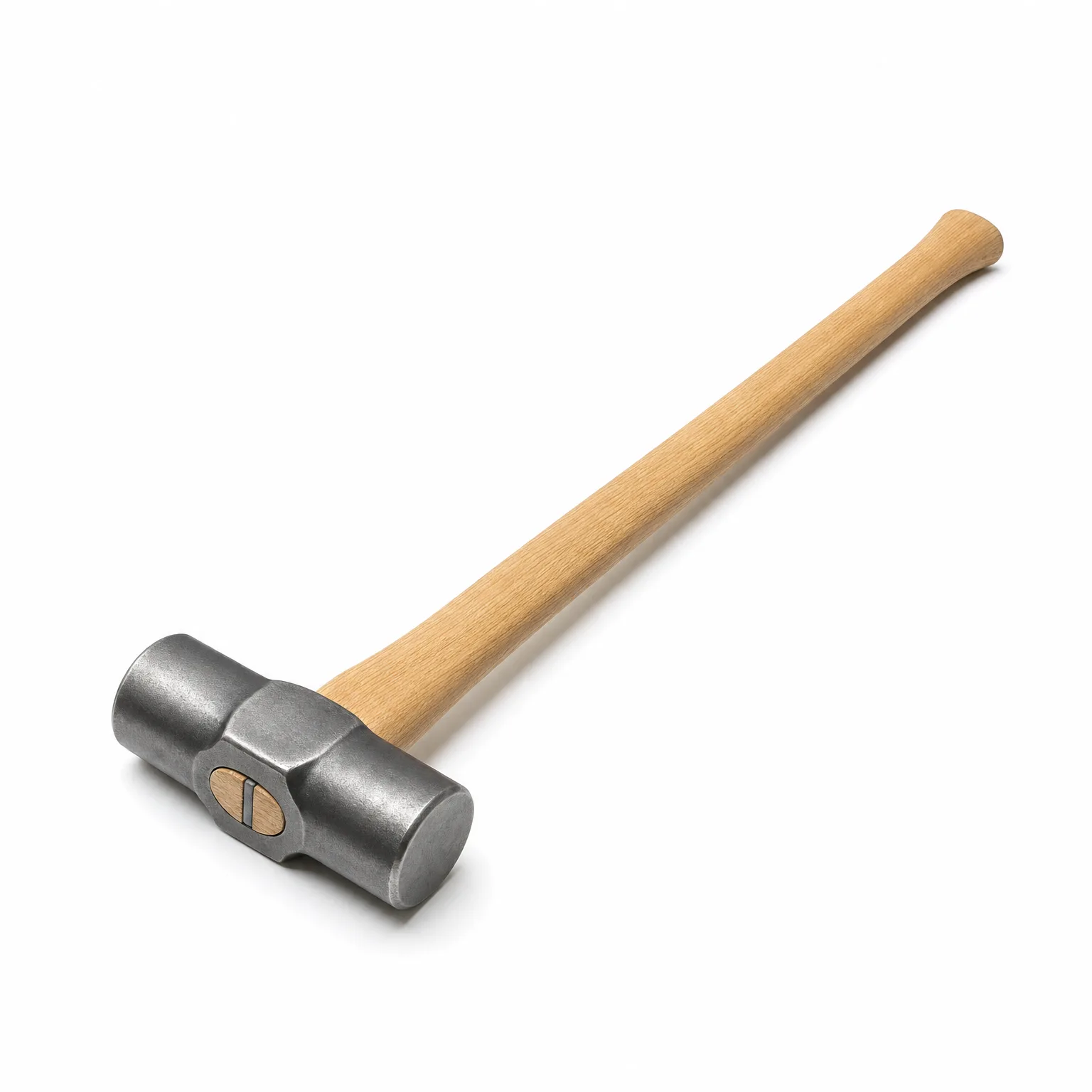
A long-handled heavy hammer swung onto a tire. Strikes train the trunk, lats, grip and shoulders and work well in conditioning intervals.
In short
A training sledgehammer is a long-handled hammer with a heavy head, swung overhead and brought down onto a large tire. Each strike is a fast, whole-body pull driven by the hips, trunk and lats, with the grip and shoulders guiding the handle.
It is used for power and conditioning in combat sports, strongman and CrossFit-style training. The movement is simple to learn with a light hammer, so it suits beginners too, as long as there is a tire to hit and clear space around it.
- Category
- Functional and conditioning
- Where
- Gym, Outdoors
- Level
- Beginner and up
- Space
- Needs a corner of a room
- Typical sizes
- Head weight 2–9 kg (4–20 lb), most often 3.5–5.5 kg (8–12 lb); handle about 75–90 cm (30–36 in)
- Also called
- training hammer, fitness hammer, gym hammer, sledge hammer, tire hammer, workout sledgehammer
Muscles it works
- Also works
- Front delts, Triceps, Glutes, Lower back, Mid back
What it is used for
- Overhead strikes on a tire for power and conditioning intervals
- Diagonal strikes from one shoulder to train rotation
- Slow levering drills holding the end of the handle for wrists and forearms
- Loaded warm-up swings around the body with a light hammer
Types
Hardware sledgehammer. A steel head on a wooden or fiberglass handle from a tool shop. Works well and is widely available. Check the head is firmly fixed.
Fitness hammer. A one-piece training hammer with a rubber or urethane-coated head and a stated weight. Quieter, with a more predictable bounce.
Steel mace. A ball on a long, thin handle. Made for swings behind and around the body, not for striking. A different tool with a similar look.
How to choose
Start light
Most adults do well starting with 3.5–4.5 kg (8–10 lb), smaller or newer trainees with 2.5–3.5 kg (6–8 lb). The long handle makes a hammer feel much heavier than a dumbbell of the same weight. Speed and accuracy matter more than head weight.
Check the head and handle
On a hardware hammer the head must not move at all on the handle. Fiberglass handles survive missed hits better than wood. Inspect a wooden handle for cracks near the head before every session.
Pick the handle length
A handle of about 80–90 cm (32–36 in) gives a full two-handed swing for most adults. Short-handled club hammers are for one-hand tool work and do not suit this training.
Make sure you have a target
A hammer is only useful with something safe to hit. A truck or tractor tire lying flat on firm ground is the standard. Do not hit concrete, soil with stones, or anything that can chip.
How to start using it
- Set your stance. Stand facing the tire about one hammer-length away, feet shoulder width or slightly staggered, knees soft. Check that nobody is behind or beside you within several meters.
- Grip and lift. Hold the end of the handle with one hand and place the other near the head. Lift the hammer up past one shoulder until it is overhead. The top hand guides the lift.
- Slide and strike. As the hammer comes down, let the top hand slide down to meet the bottom hand. Pull with the lats, fold at the hips and bend the knees so the head lands flat on the top of the tire, on the side nearest you.
- Absorb the bounce. The head rebounds off the rubber. Keep a firm grip, let it rise a little, and use that to start the next rep. Switch which hand is on top each rep or each set so both sides do equal work.
- Program it in short efforts. Try 5–8 sets of 10–20 seconds of strikes with equal or longer rest, or sets of 8–10 strikes per side. Stop when your accuracy drops.
Common mistakes
Swinging only with the arms
Standing upright and chopping with the shoulders tires the arms and makes a weak hit. Bend the hips and knees as the hammer falls so the whole body follows it down.
Hitting the center or the far edge
A strike into the hollow middle or on the far rim can twist the handle or pull you forward. Aim for the rubber on the near side every time.
Ignoring the rebound
A stiff tire throws the hammer back toward your face. Stand so the handle would pass beside your head, not in line with it, and never let go on the bounce.
Going too heavy
A head you cannot move fast turns a power drill into a slow, ugly lift and strains the wrists and lower back. If the swing slows or the head lands off target, use a lighter hammer.
Training one side only
Always leading with the same hand loads one side of the trunk and one shoulder. Alternate the top hand.
What to use instead
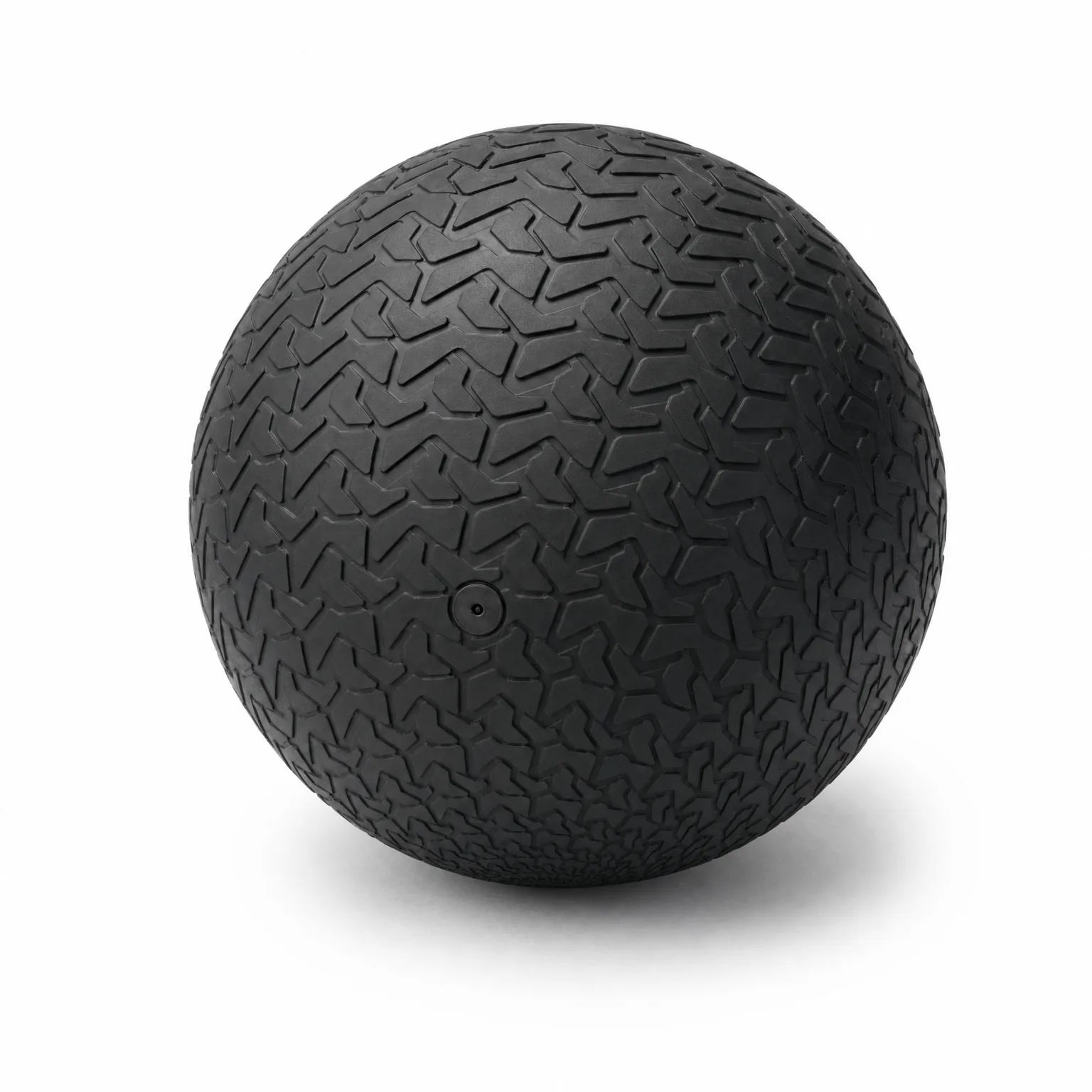
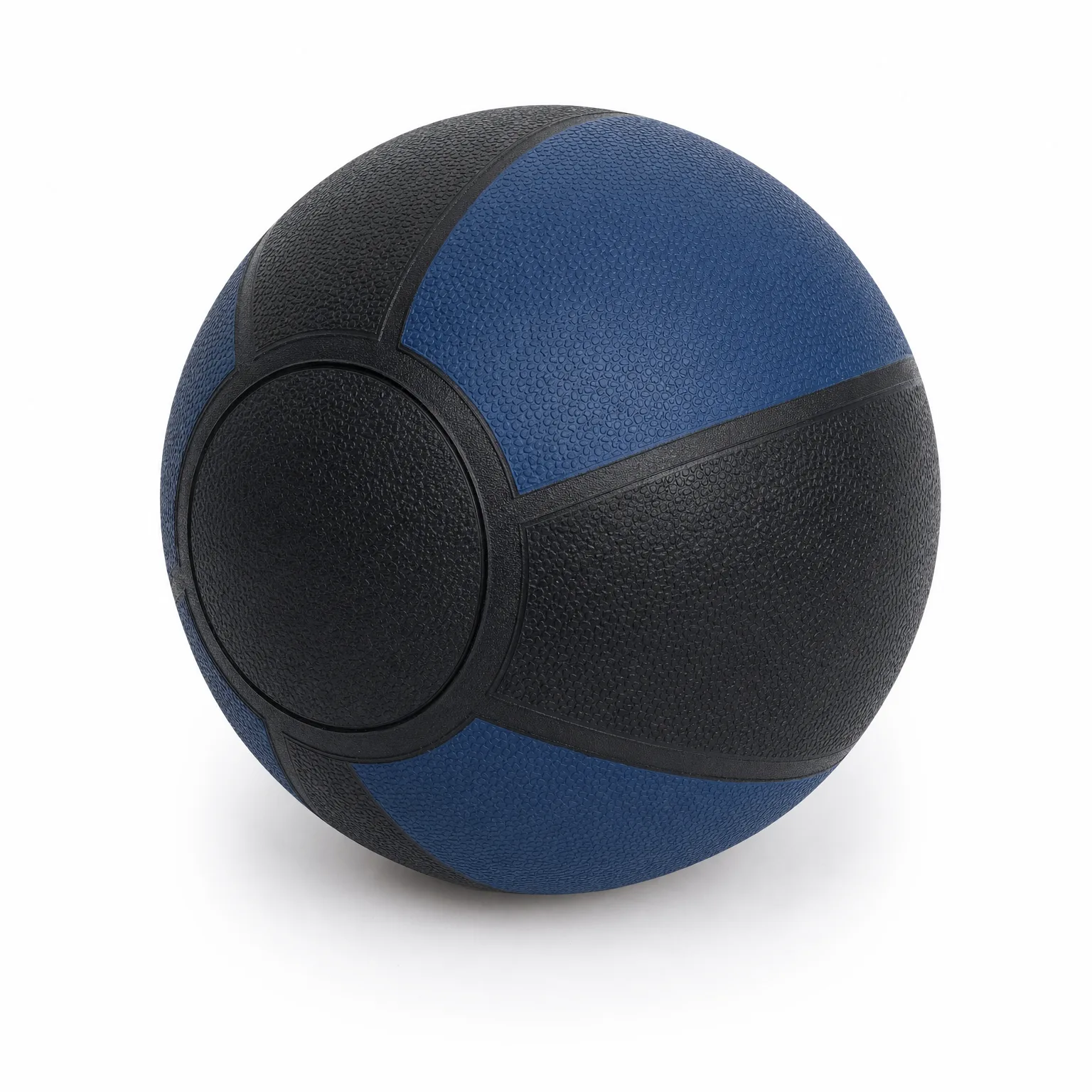
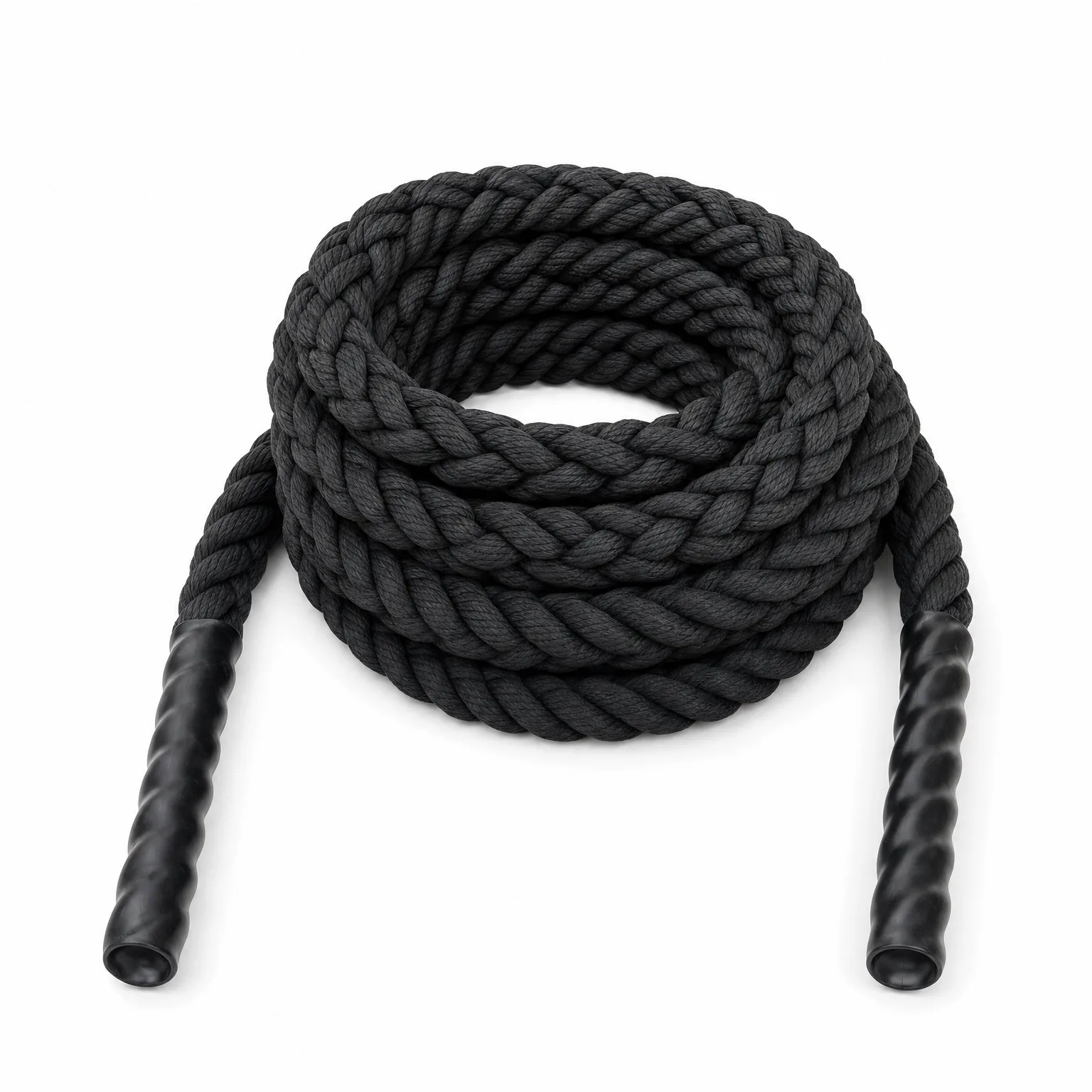
Slam ball slams are the closest match: the same overhead reach and hard downward pull, with no tire needed. Rotational medicine ball throws against a wall cover the diagonal strike. Battle rope slams give a similar interval effect for the shoulders and trunk. Clubbells train the grip and shoulders through swinging patterns without a target.
-
Slam ball
A sand-filled ball with a thick shell that does not bounce. Made to be lifted overhead and thrown at the floor at full force. -
Medicine ball
A weighted ball you throw, catch and carry. Used for power throws, wall balls, partner drills and core exercises. -
Battle ropes
A long, thick rope anchored in the middle. You hold both ends and make waves or slams for hard conditioning work with low impact on the legs. -
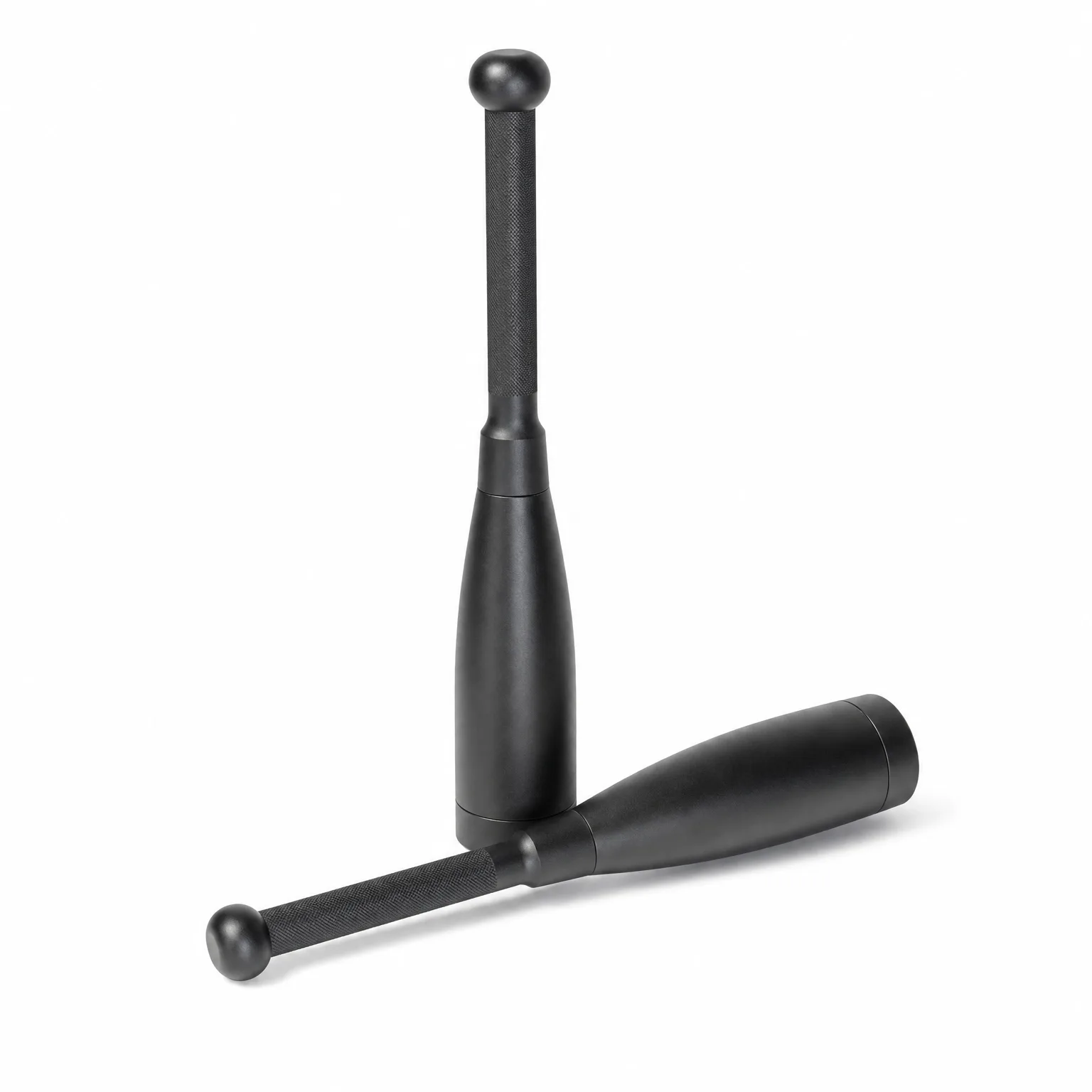
Exercise clubs
Bowling-pin-shaped weights swung in circles around the body. They train grip, shoulders and trunk through large rotating movements.
Often used with
-
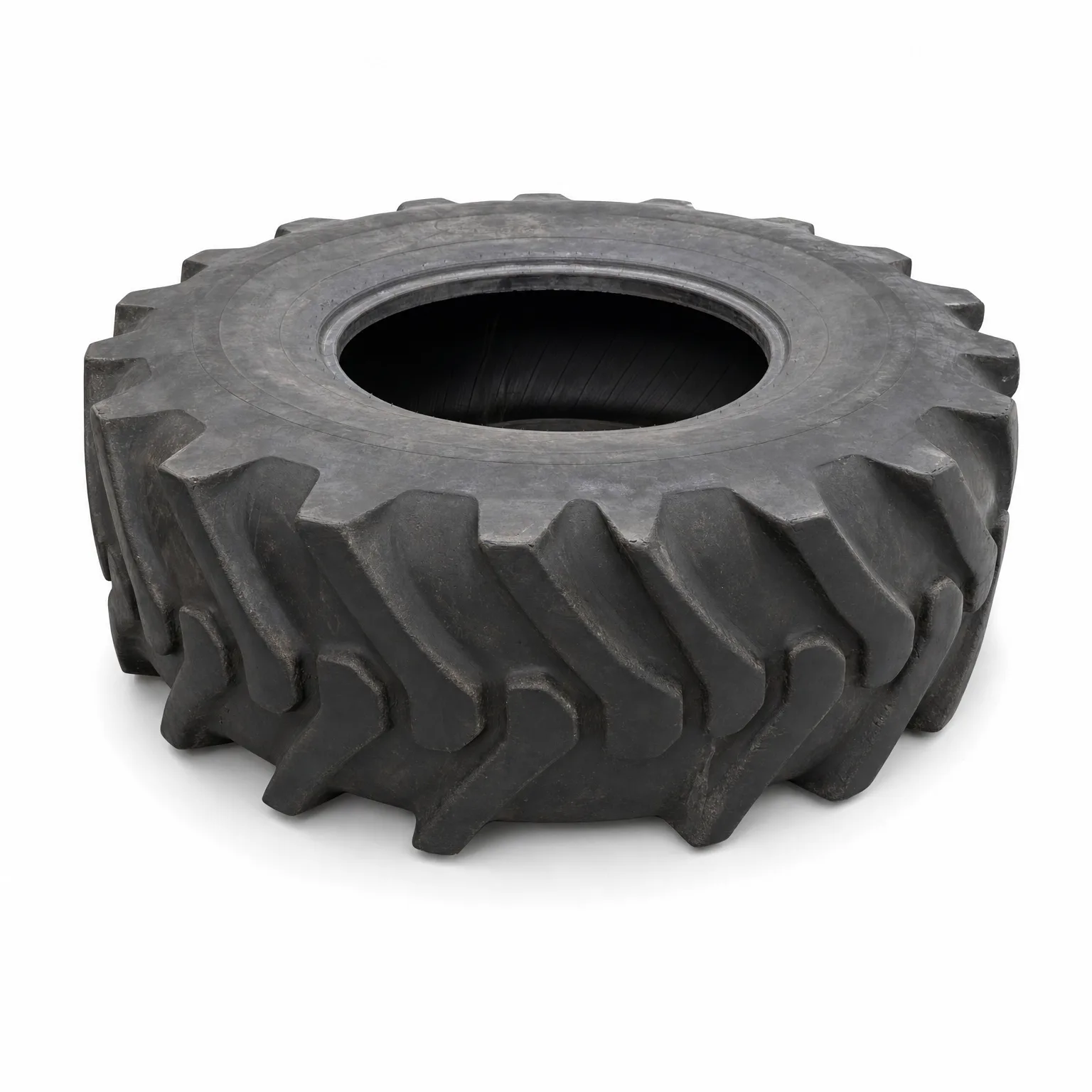
Training tire
A large, heavy tire used for flips, sledgehammer strikes, jumps and drags. It trains the legs, hips and back with whole-body effort. -
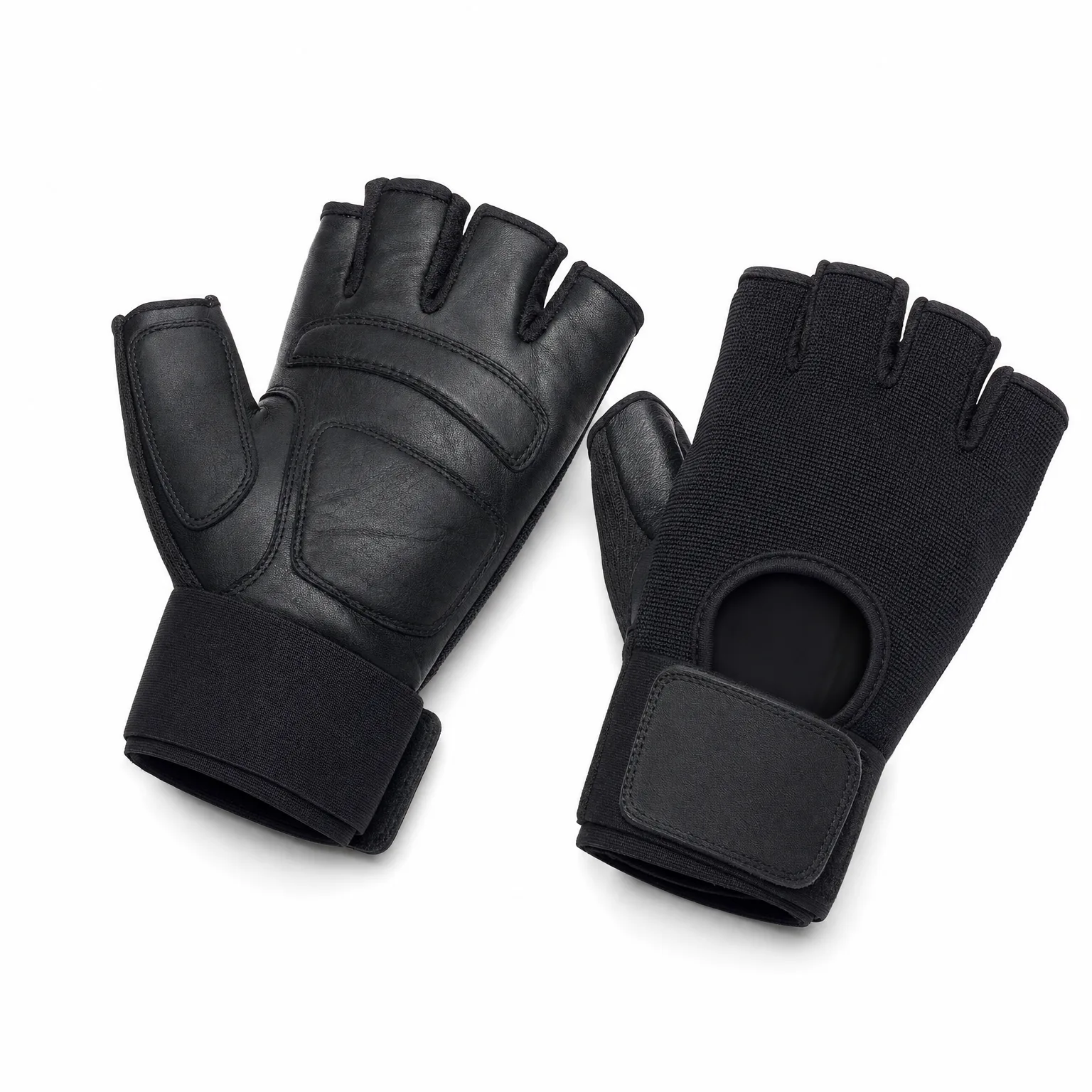
Gym gloves
Padded, usually fingerless gloves that put a layer between your palms and the bar to cut down on calluses and slipping from sweat. -
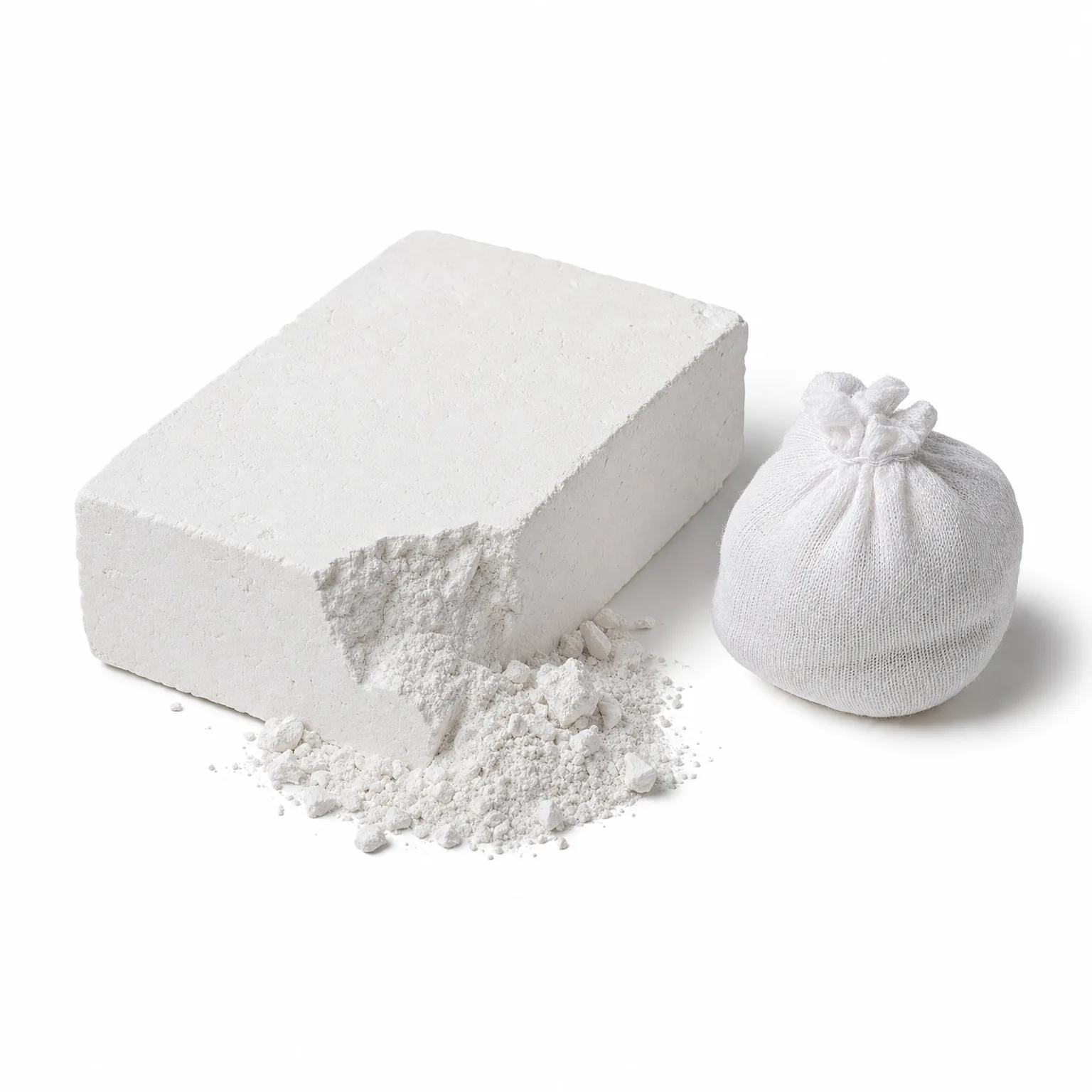
Gym chalk
Magnesium carbonate powder that dries sweaty hands so a bar, kettlebell or rings do not slip. Sold as a block, a ball or a liquid. -
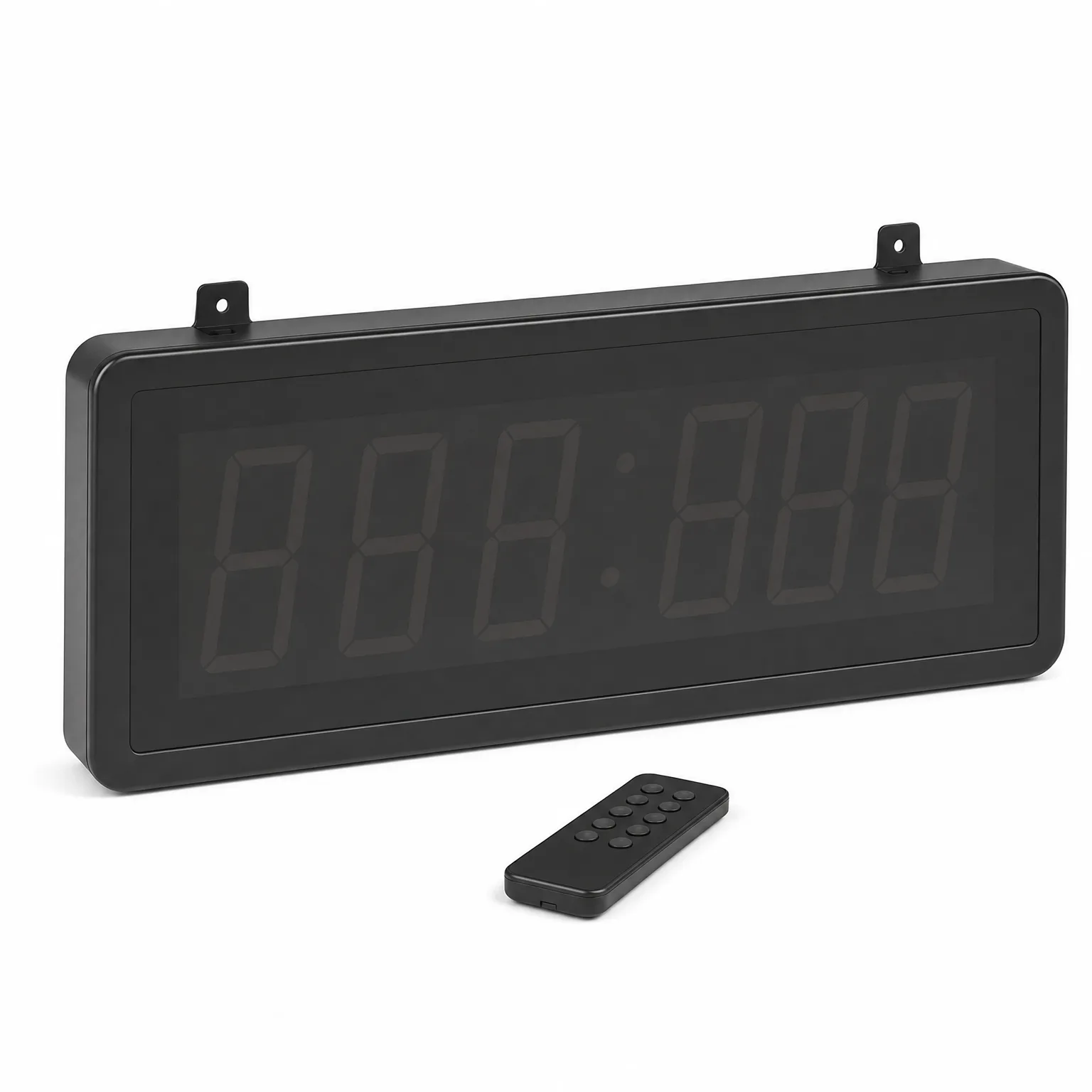
Interval timer
A wall clock or phone app that counts work and rest periods and signals each change, for tabata, EMOM, AMRAP, rounds and timed rests.
Questions about sledgehammer
What weight sledgehammer should I use for workouts?
Most people get the best training from 3.5–5.5 kg (8–12 lb). Start at the low end, or lower if you are small or new to it. Move up only when you can keep the strikes fast and on target for a whole set. Hammers above 7 kg (16 lb) are for experienced, strong users.
What muscles do sledgehammer strikes work?
The lats and abs pull the hammer down, the obliques handle the rotation, the forearms grip and steer, and the shoulders and triceps lift and guide. The hips and legs add force as you fold into the strike. The heart rate rises quickly, so it is also conditioning work.
Can I do sledgehammer training without a tire?
Not strikes. Hitting the ground or a hard surface damages the hammer and can send chips flying. Without a tire, use slam ball slams for the same movement, or do slow levering and rotation drills with the hammer that involve no impact.
Sledgehammer or slam ball?
Both train a powerful overhead pull. The hammer adds grip work, rotation and a skill element, but needs a tire and clear space. A slam ball needs only a solid floor and is easier to learn. Many gyms use both.
Build programs around what your client has
This guide comes from OnlineFitness.app, the app online coaches run their clients in.
Free for life for the first 100 coachesNo card