Equipment Functional and conditioning
Training tire
A large, heavy tire used for flips, sledgehammer strikes, jumps and drags. It trains the legs, hips and back with whole-body effort.
In short
A training tire is a large tractor or truck tire, or a purpose-made copy, used as a heavy, awkward object to flip end over end, hit with a sledgehammer, jump on or drag. A flip is a push from the legs and hips that works the glutes, thighs, back and upper body together.
It is common in strongman, CrossFit-style gyms and outdoor conditioning. It suits people who already squat and deadlift with good form and have the space: a tire needs a long, clear lane and is hard to store.
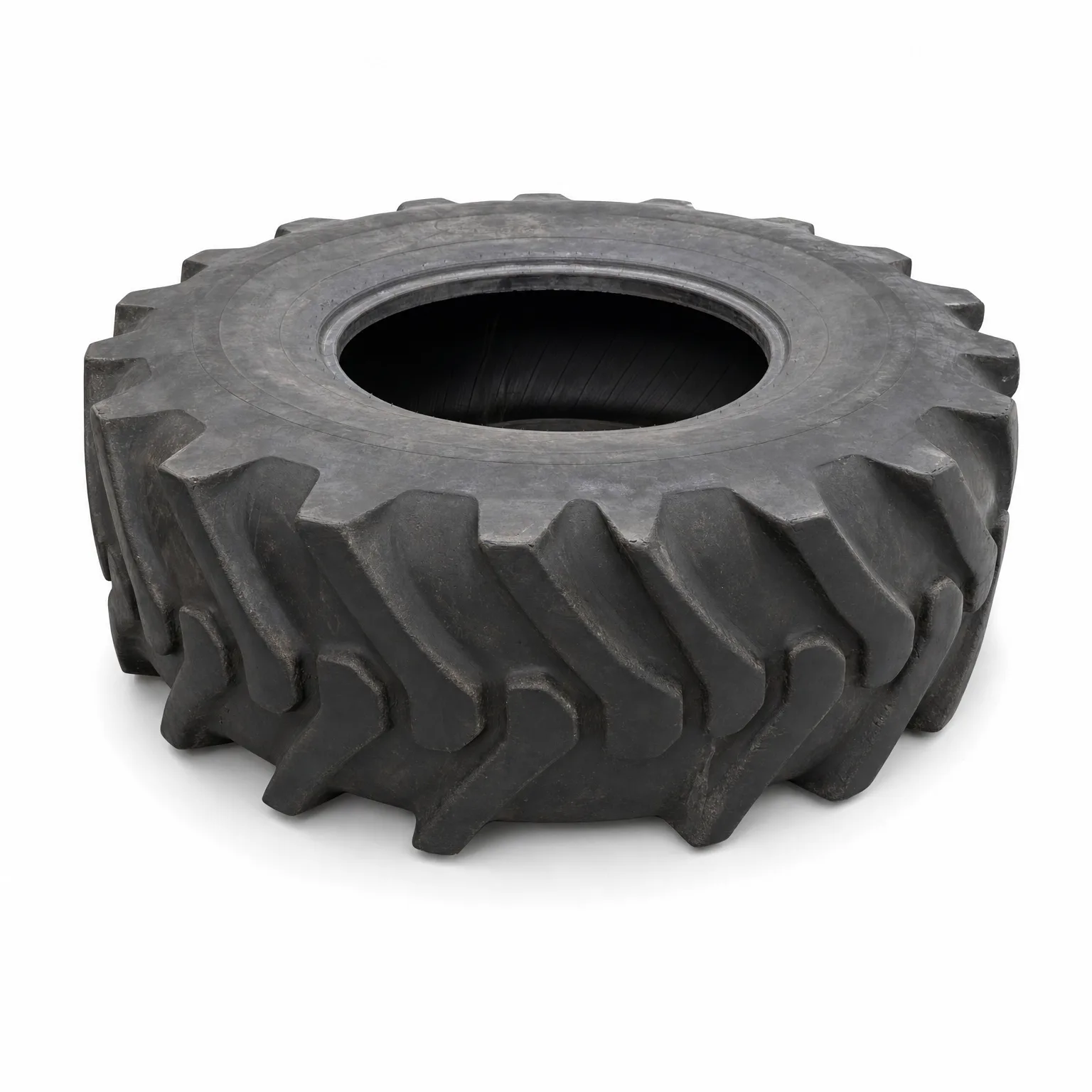
- Category
- Functional and conditioning
- Where
- Gym, Outdoors
- Level
- Intermediate and up
- Space
- Needs a dedicated area
- Typical sizes
- Roughly 40–300 kg (90–660 lb) or more and 1–1.8 m (3–6 ft) across; the weight of a used tire is often an estimate
- Also called
- tractor tire, flip tire, tire flip, strongman tire, gym tire, crossfit tire, tyre
Muscles it works
- Main
- Glutes, Quads, Hamstrings, Lower back
What it is used for
- Tire flips for sets of a few reps or over a distance
- A target for sledgehammer strikes
- Box-style jumps onto the tire and quick steps in and out of the center
- Drags and pulls with a rope or harness attached
- Elevated push-ups, dips and step-ups on the rim
Types
Used tractor or truck tire. The classic choice, often free from tire dealers. Weight varies with size, tread and wear, and is rarely marked.
Purpose-made gym tire. Molded rubber with a stated weight, handles and smooth sides. Cleaner and easier to grip, in a narrower weight range.
Tire flip machine. Half a tire or a padded frame on a hinge, loaded with plates. Gives the flip movement in a fixed spot with adjustable load.
How to choose
Start lighter than you think
Pick a tire you can flip for 8–10 clean reps. For many adults new to flips that is somewhere around 60–100 kg (130–220 lb), lower for smaller people and higher for strong lifters. A tire you can barely move teaches bad positions.
Match the thickness to your body
Lying flat, the tire should come up to about your knee, so you can get your hands under it with your hips above your knees and lean your chest into it. Much lower tires force a deep, rounded start and are hard to get under.
Check the tread and the inside
Deep tread gives the fingers something to hold. Avoid tires with exposed steel wire, deep cuts or standing water and debris inside. Wash a used tire before training with it.
For hammer work, size matters less
Any tire that lies flat and does not shift when hit will do. A medium truck tire is enough. A softer, thicker sidewall gives a more controlled bounce.
How to start using it
- Set up for the flip. Lay the tire flat with a clear lane ahead. Set the feet about shoulder width, a short step back from the tire, and squat down so your chest and the front of your shoulders lean against it. Hook the fingers under the tread with arms nearly straight, a little wider than your knees.
- Drive forward and up. Push with the legs into the tire at about 45 degrees, as if moving it away from you, not lifting it straight up. Keep the chest on the tire, the back flat and the arms long until the tire is past hip height.
- Switch the hands and push through. As the tire comes upright, step in, turn your hands over quickly so the palms face the tire, and push it over like a chest pass. A knee under the tire can help the switch on a heavy one. Let it fall and reset.
- Keep sets short. Start with 3–5 sets of 3–6 flips with full rest. For conditioning, use a lighter tire. Stop the set when the hips start to shoot up or the back rounds.
- For strikes. Lay the tire flat on firm ground and stand about one hammer-length away. Hit the top face of the tire on the side closest to you, not the hollow center, and expect the hammer to bounce back.
Common mistakes
Curling the tire with the arms
Pulling the tire up with bent elbows puts the whole load on the biceps in a position they are weak in. A torn biceps is the best-known serious tire-flip injury. Keep the arms long and let the legs do the lifting.
Lifting it like a deadlift
Standing far away and pulling straight up with a rounded back makes the tire feel far heavier. Stay close, lean the chest in and drive forward through the tire.
Hips rising first
If the hips shoot up while the tire stays down, the back takes over. Start with the hips lower than the shoulders and raise both together.
Standing where it can fall back
A tire that stalls halfway can drop back onto the legs. Never flip a tire you cannot finish, keep other people out of the lane, and step away rather than trying to catch it.
What to use instead
A weighted sled push uses the same forward leg drive with far less technique and almost no risk of the load falling on you. A heavy sandbag lifted from the floor to the shoulder trains the same awkward, whole-body pickup. A trap bar deadlift builds the strength behind the flip. For hammer strikes, slam a slam ball into the floor to get a similar overhead, whole-body effort.
-
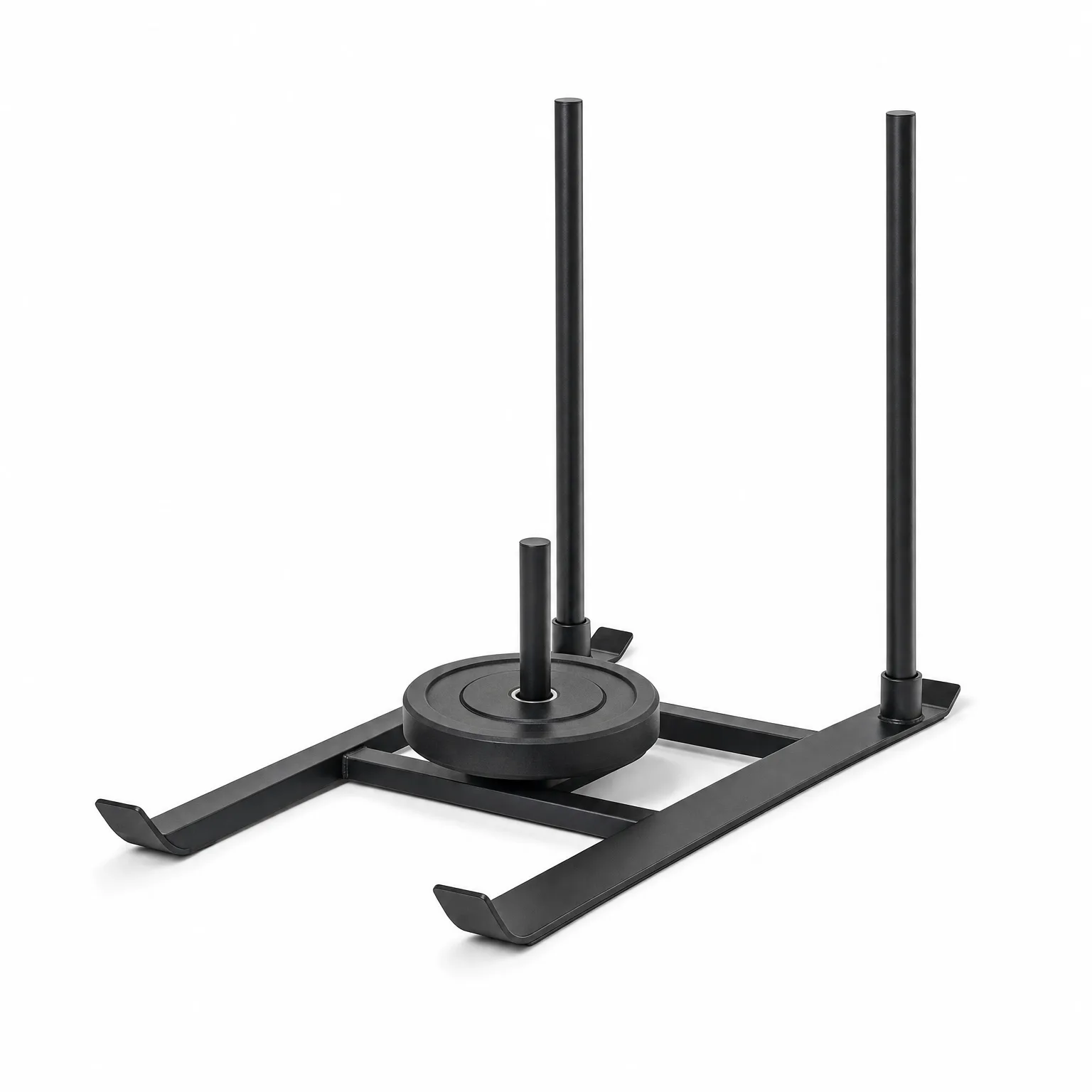
Weight sled
A low frame loaded with weight plates that you push or drag across turf or pavement. Trains the legs and conditioning with no lowering phase. -
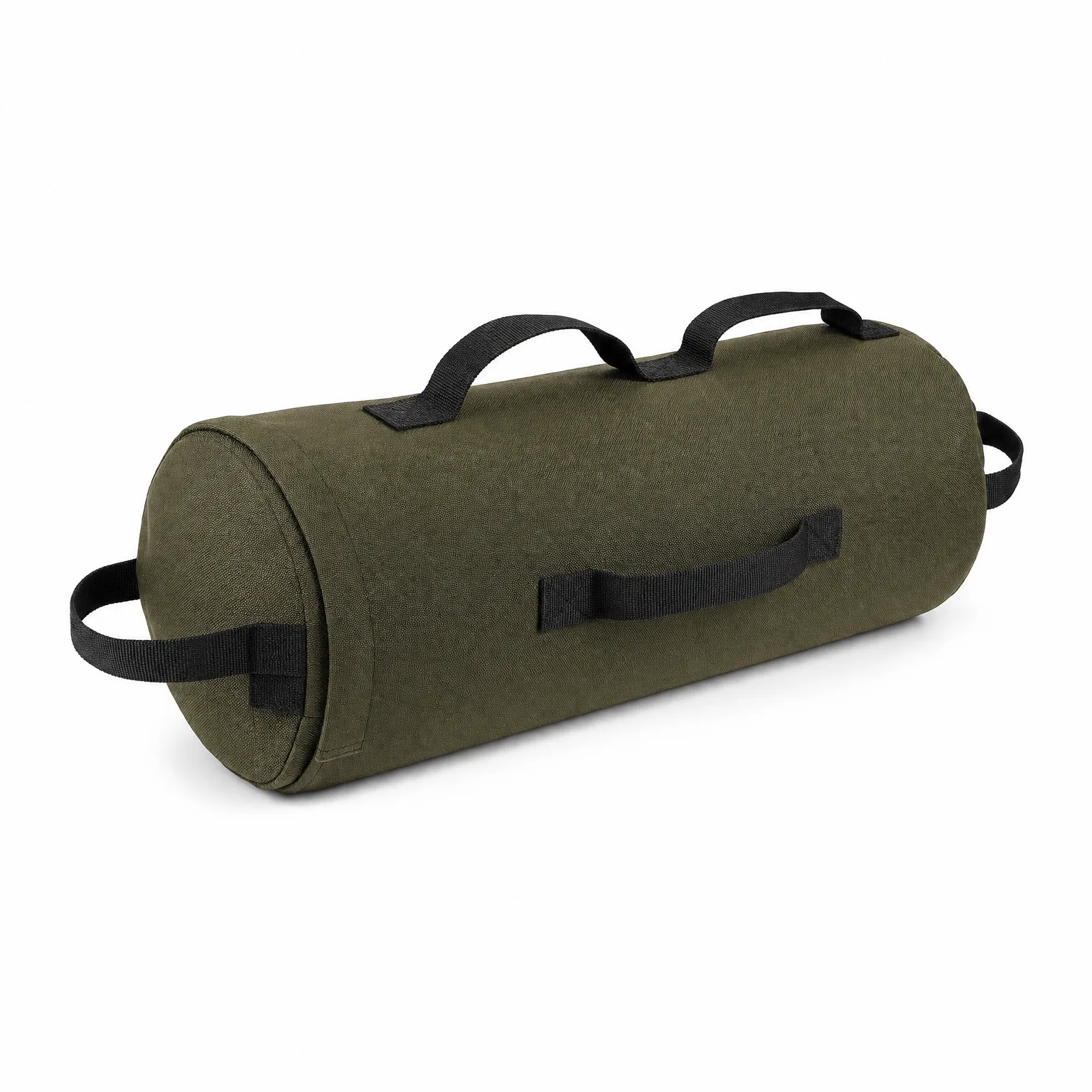
Sandbag
A tough fabric bag filled with sand, with or without handles. The load shifts as you lift, carry, squat and throw it. -
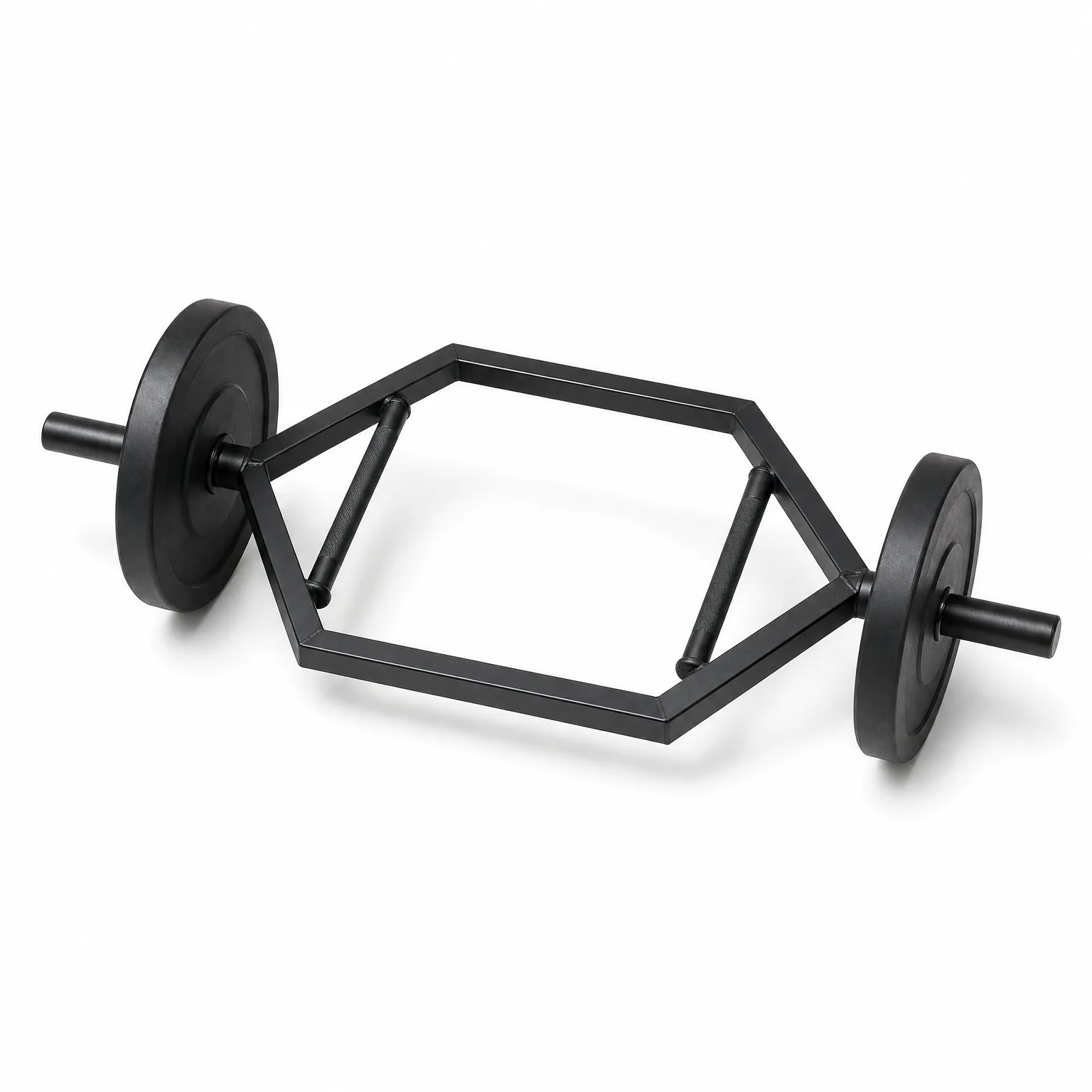
Trap bar
A hexagonal bar you stand inside and lift by two side handles. Used for deadlifts, carries, shrugs and jumps. -
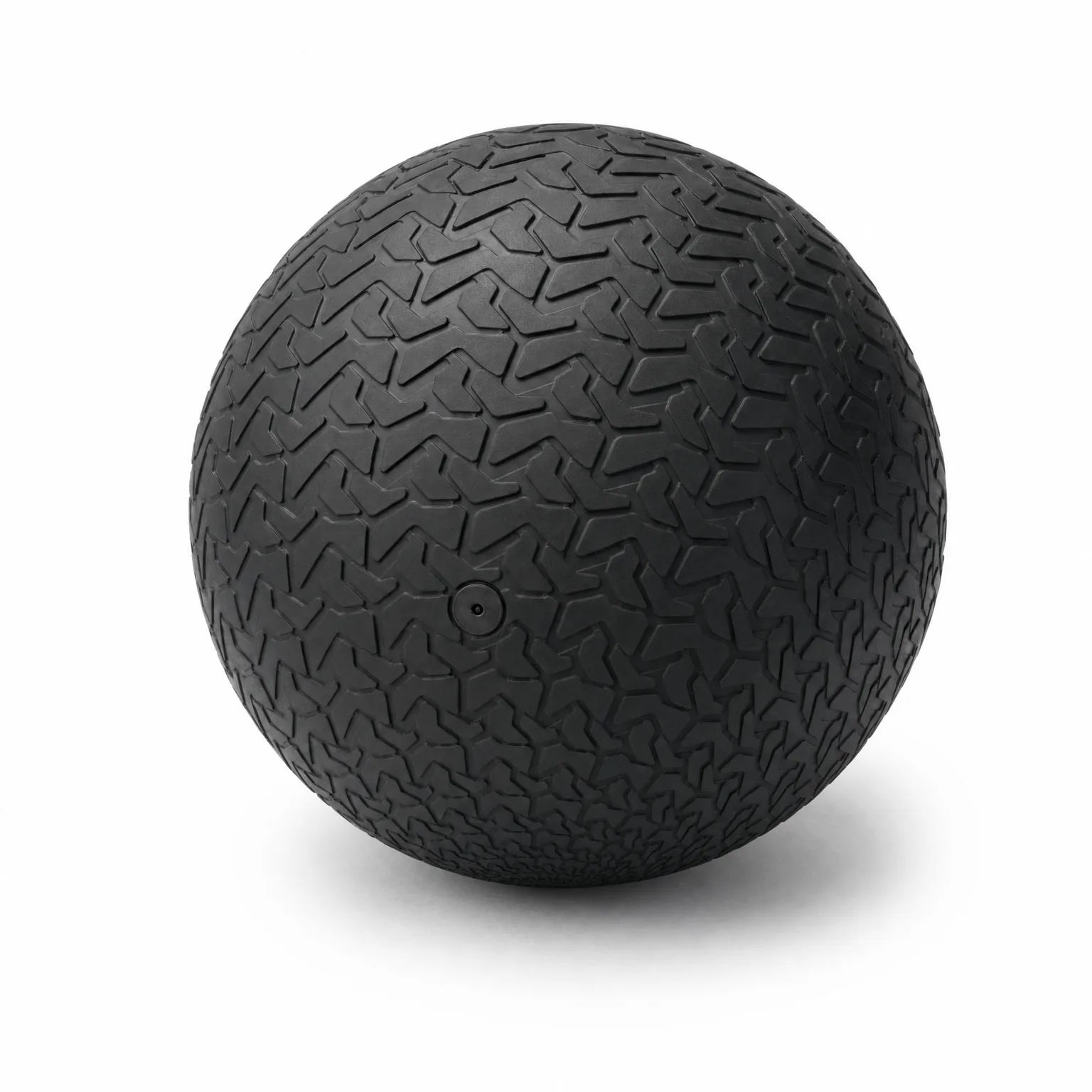
Slam ball
A sand-filled ball with a thick shell that does not bounce. Made to be lifted overhead and thrown at the floor at full force.
Often used with
-
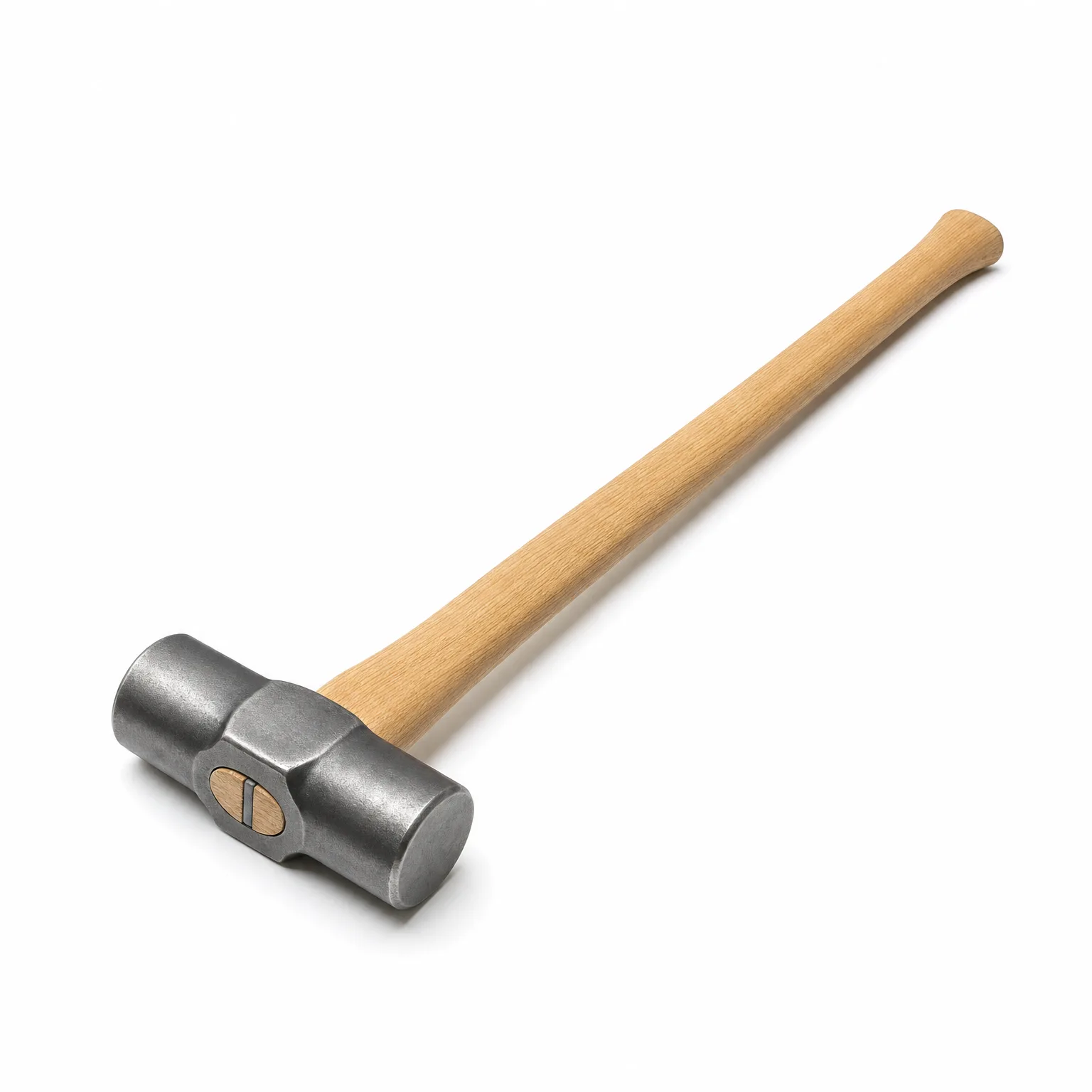
Sledgehammer
A long-handled heavy hammer swung onto a tire. Strikes train the trunk, lats, grip and shoulders and work well in conditioning intervals. -
Weight sled
A low frame loaded with weight plates that you push or drag across turf or pavement. Trains the legs and conditioning with no lowering phase. -
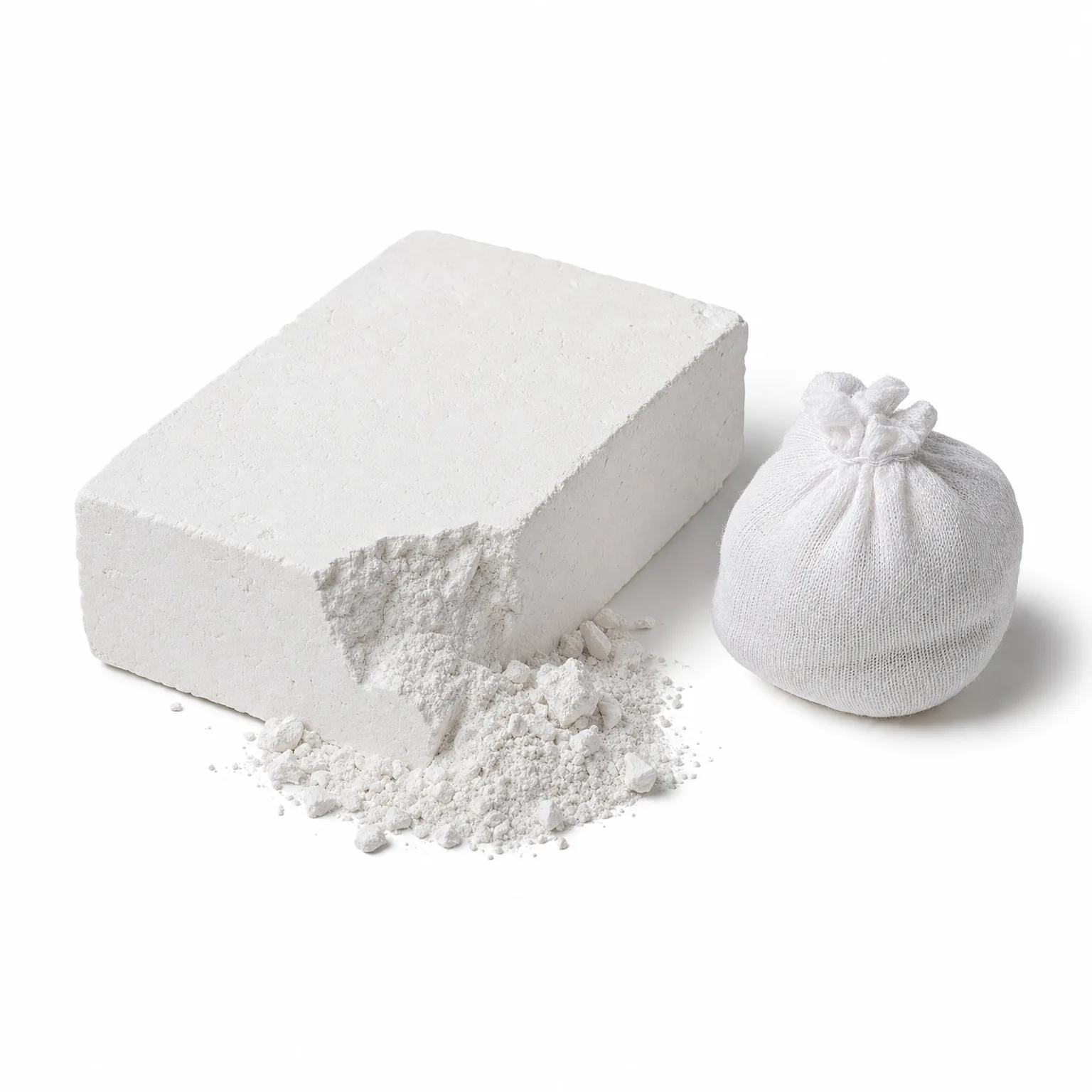
Gym chalk
Magnesium carbonate powder that dries sweaty hands so a bar, kettlebell or rings do not slip. Sold as a block, a ball or a liquid. -
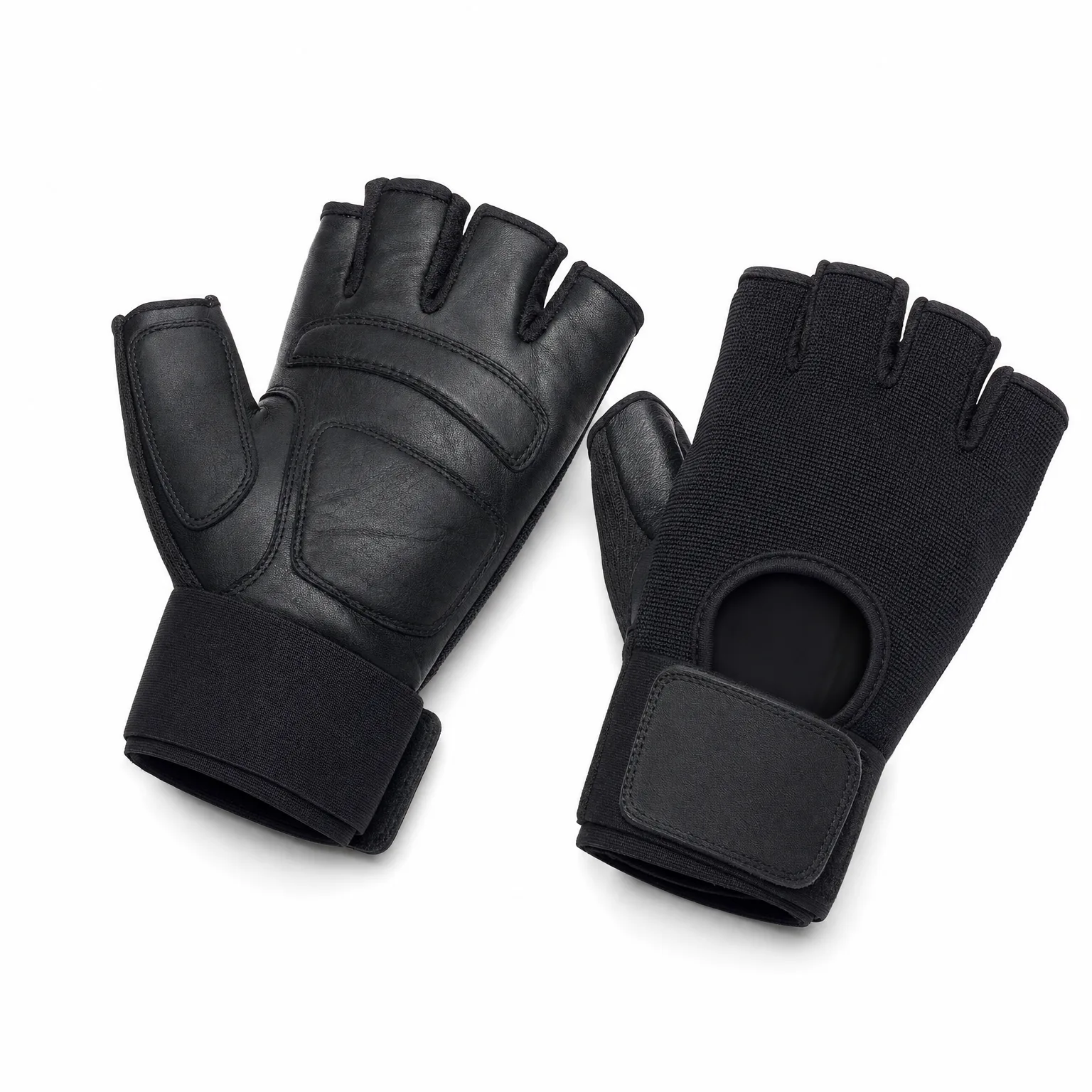
Gym gloves
Padded, usually fingerless gloves that put a layer between your palms and the bar to cut down on calluses and slipping from sweat.
Questions about training tire
What muscles does a tire flip work?
Mostly the glutes, quads, hamstrings and lower back in the drive off the floor, with the upper back and grip holding the tire and the chest, shoulders and triceps finishing the push. It is a whole-body effort with a strong conditioning element when done for repeats.
How heavy should a tire be for flipping?
Heavy enough to demand a real leg drive, light enough for 8–10 clean flips when fresh. Many beginners do well around 60–100 kg (130–220 lb), and trained lifters use 150 kg (330 lb) and up. Technique limits the weight more than strength does at first.
Where can I get a training tire?
Tire shops, farm equipment dealers and truck depots often give away worn tires because disposal costs them money. Ask for the size and try tipping it before you take it. Purpose-made gym tires with a stated weight are sold by fitness suppliers.
Is tire flipping good for beginners?
It is better left until you can deadlift and squat with a flat back under load. Beginners can still use a tire for hammer strikes with a light hammer, step-ups, jumps and drags, which carry less risk than flips.
Build programs around what your client has
This guide comes from OnlineFitness.app, the app online coaches run their clients in.
Free for life for the first 100 coachesNo card