Safety squat bar
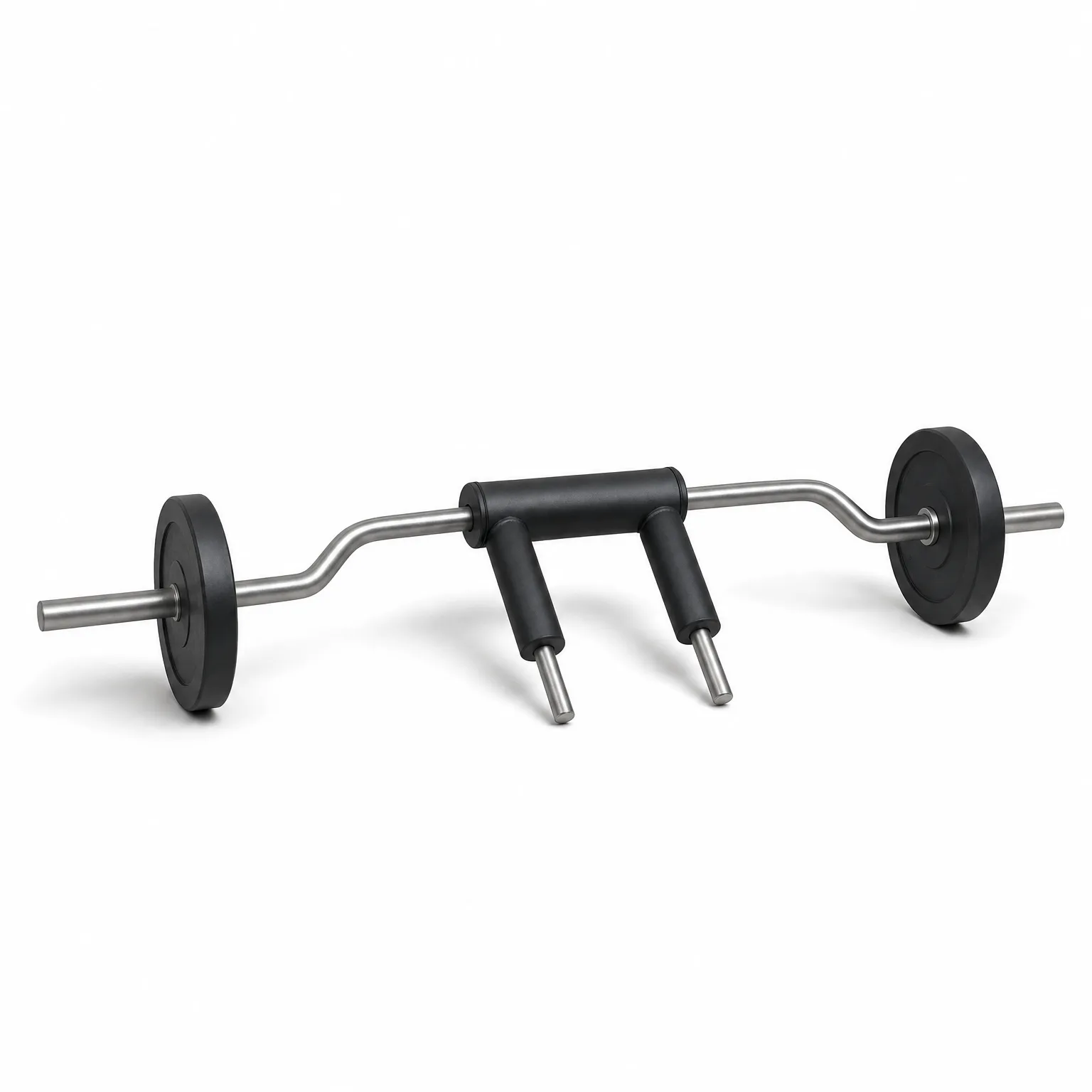
A padded squat bar with forward handles and angled sleeves. You squat without reaching back for the bar, and the upper back works harder.
In short
A safety squat bar is a barbell with a padded yoke that sits on the shoulders, two handles that point forward, and sleeves that are angled and set slightly in front of the bar. You hold the handles in front of your chest instead of reaching back, so squatting no longer depends on shoulder, elbow and wrist mobility.
The forward weight tries to tip the torso down, so the upper back and trunk have to work harder to stay upright. It suits lifters who cannot get comfortable under a straight bar and anyone who wants a squat variation with more upper-back demand.
- Category
- Free weights
- Where
- Gym, Home
- Level
- Intermediate and up
- Space
- Needs a dedicated area
- Typical sizes
- Usually 20–32 kg (45–70 lb) unloaded and about 2.1–2.3 m (7–7.5 ft) long; check the stated weight of the bar
- Also called
- ssb, safety bar, yoke bar, ssb bar, padded squat bar, safety squat yoke bar
Muscles it works
- Also works
- Hamstrings, Lower back, Abs, Traps
What it is used for
- Back squats without holding the bar behind the shoulders
- Box squats, split squats and lunges, where the handles free a hand for balance
- Good mornings with the load padded on the shoulders
- A second squat variation in a program built around the straight bar
Types
Fixed handles. The classic design: two handles welded or bolted to the yoke at a set angle and length.
Removable or adjustable handles. Handles unscrew or swap for shorter, longer or strap versions, so several lifters can set the bar up their own way.
Low camber. Sleeves sit only a little below and in front of the bar. Feels closer to a high-bar squat.
High camber. Sleeves drop further forward. The bar pulls the torso down more and is harder on the upper back.
How to choose
Know what the bar weighs
Safety squat bars are not a standard 20 kg. Find the weight stamped on the bar or listed by the maker and write it in your log, or your numbers will not compare between gyms.
Check it fits your rack
The bar needs enough straight shaft between the yoke and the sleeves to sit on the hooks. Some bars are too short or too wide in the yoke for narrow racks. Rack it empty first.
Look at the padding
Firm, dense padding keeps the bar in place. Soft padding compresses under load and lets the bar roll. The neck gap should not press on your throat when the handles are level.
Match the camber to the goal
A mild camber is easier to learn and closer to a normal squat. A deep camber is a harder upper-back exercise and usually means a lower working weight.
How to start using it
- Recheck the hook height. The thick pad changes where the bar sits on you, so do not assume your straight-bar setting. Set the hooks so you can unrack with a small knee bend, and set the safety bars or straps just below your lowest position.
- Seat the pad, then take the handles. Step under so the yoke rests on the upper traps with the side pads over the shoulders. Hold the handles at about chest height with elbows under your hands.
- Keep the handles steady. Hold the handles lightly and keep them at the same angle through the whole rep. Pushing them up or yanking them down changes how the weight sits and tips you forward or back.
- Start lighter than your straight-bar squat. Most people squat less with this bar at first. Begin with the empty bar, then build to a weight well under your usual sets and add load over a few sessions.
- Fight the forward pull. Brace, keep the chest up and drive the upper back into the pad as you stand. If the torso folds on the way up, the weight is too heavy.
Common mistakes
Loading it like a 20 kg bar
Counting the bar as 20 kg when it weighs closer to 30 kg puts an extra 10 kg on every set without you noticing.
Moving the handles during the rep
Pushing the handles up or pulling them down mid-rep rotates the bar on your shoulders and changes where the load sits. Pick a handle position at the start and hold it.
Letting the upper back round
The bar pulls you forward at the bottom. Rounding and then standing up hips first turns the squat into a good morning. Lower the load until the torso angle stays the same.
Squatting without safeties
You cannot dump this bar off your back the way you can a straight bar, because the yoke wraps the shoulders. Always set safety bars or straps.
What to use instead
A straight barbell does the same job if your shoulders allow the grip; a high-bar or front squat gives a similar upright position. A trap bar loads the legs without any bar on the back. In a gym with no specialty bars, a hack squat machine or a Smith machine squat lets you train the legs hard without holding a bar behind the shoulders.
-

Barbell
A long steel bar loaded with plates at both ends. The standard tool for squats, deadlifts, presses and rows with heavy weight. -
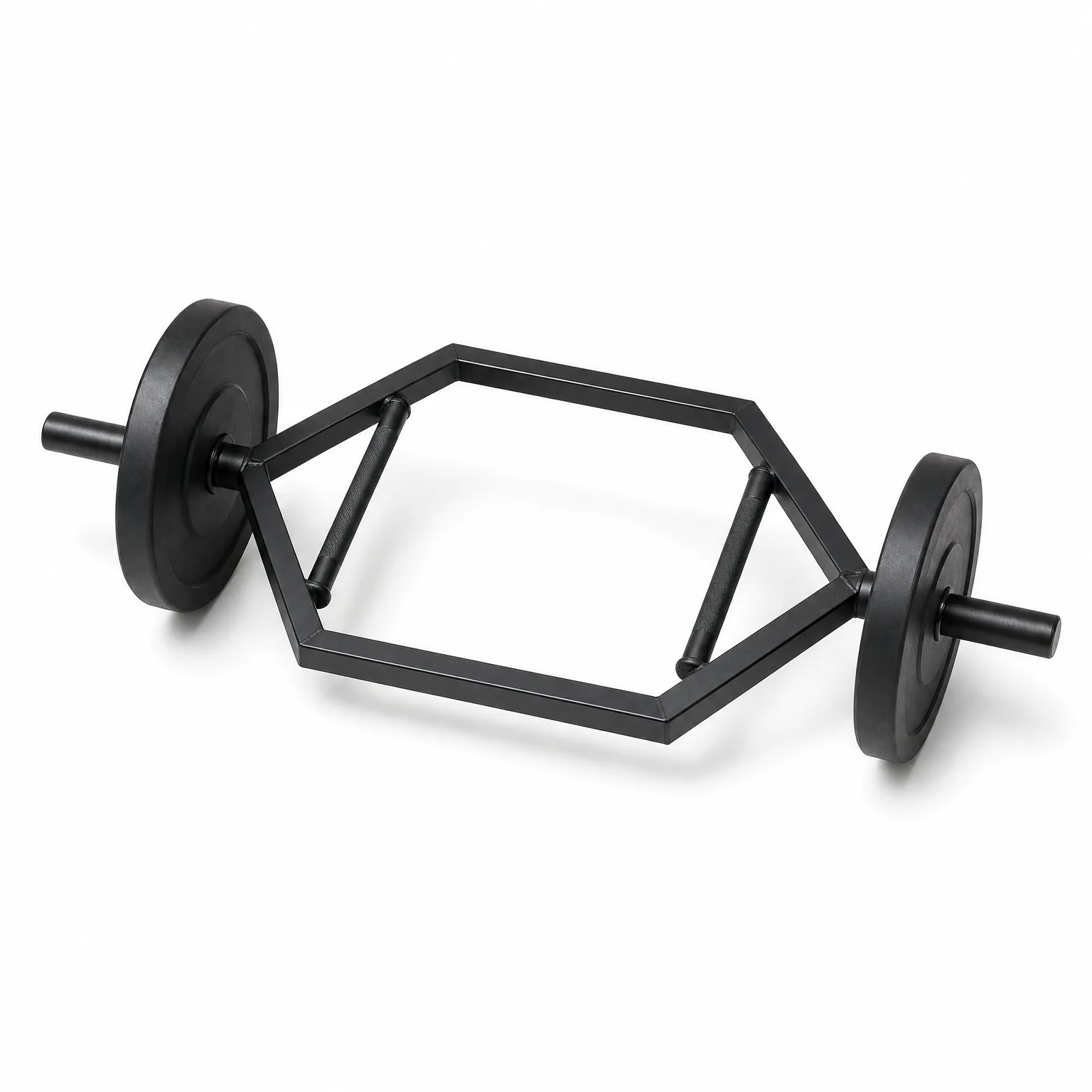
Trap bar
A hexagonal bar you stand inside and lift by two side handles. Used for deadlifts, carries, shrugs and jumps. -
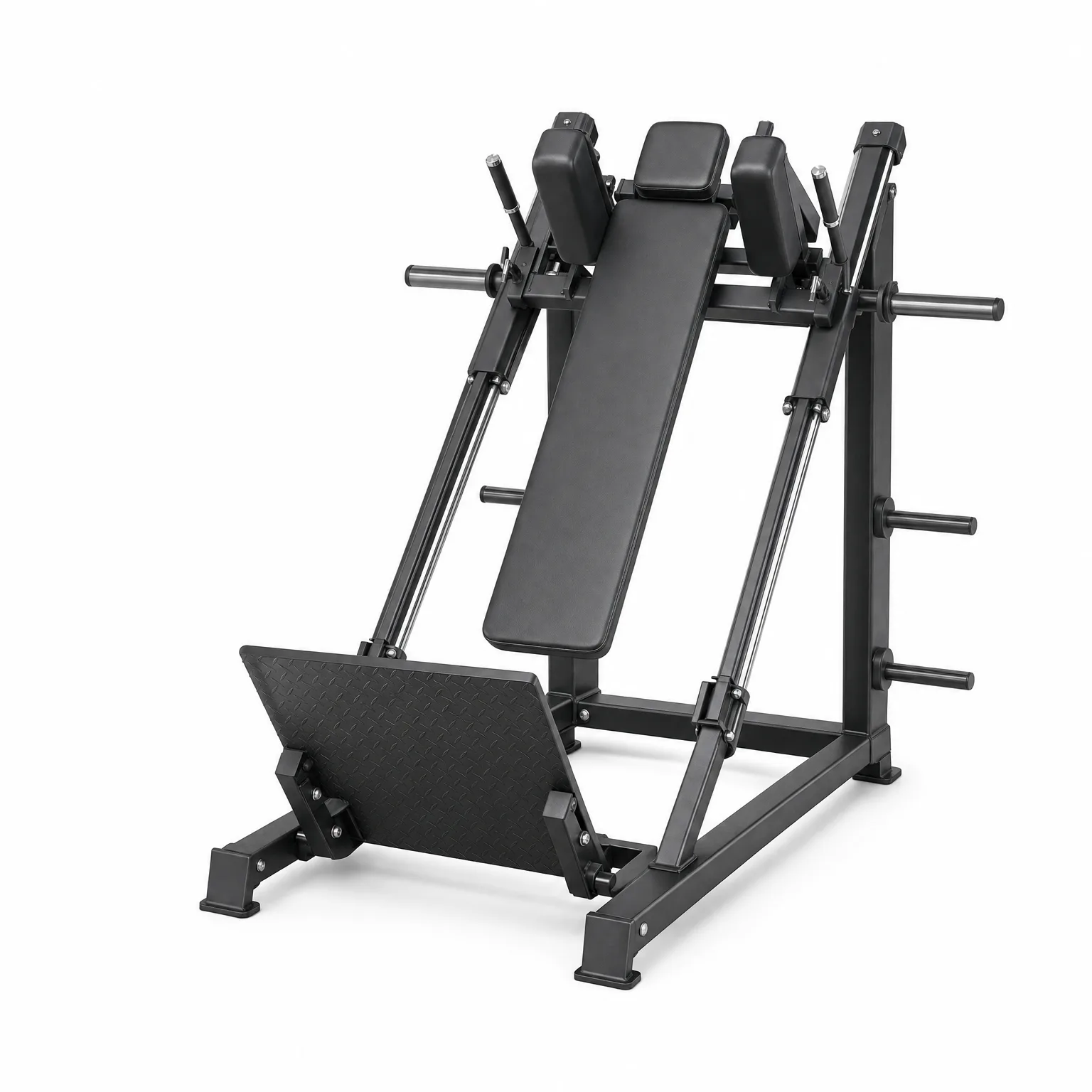
Hack squat machine
An angled sled with shoulder pads and a back pad. You squat along fixed rails, which puts most of the work on the quads. -
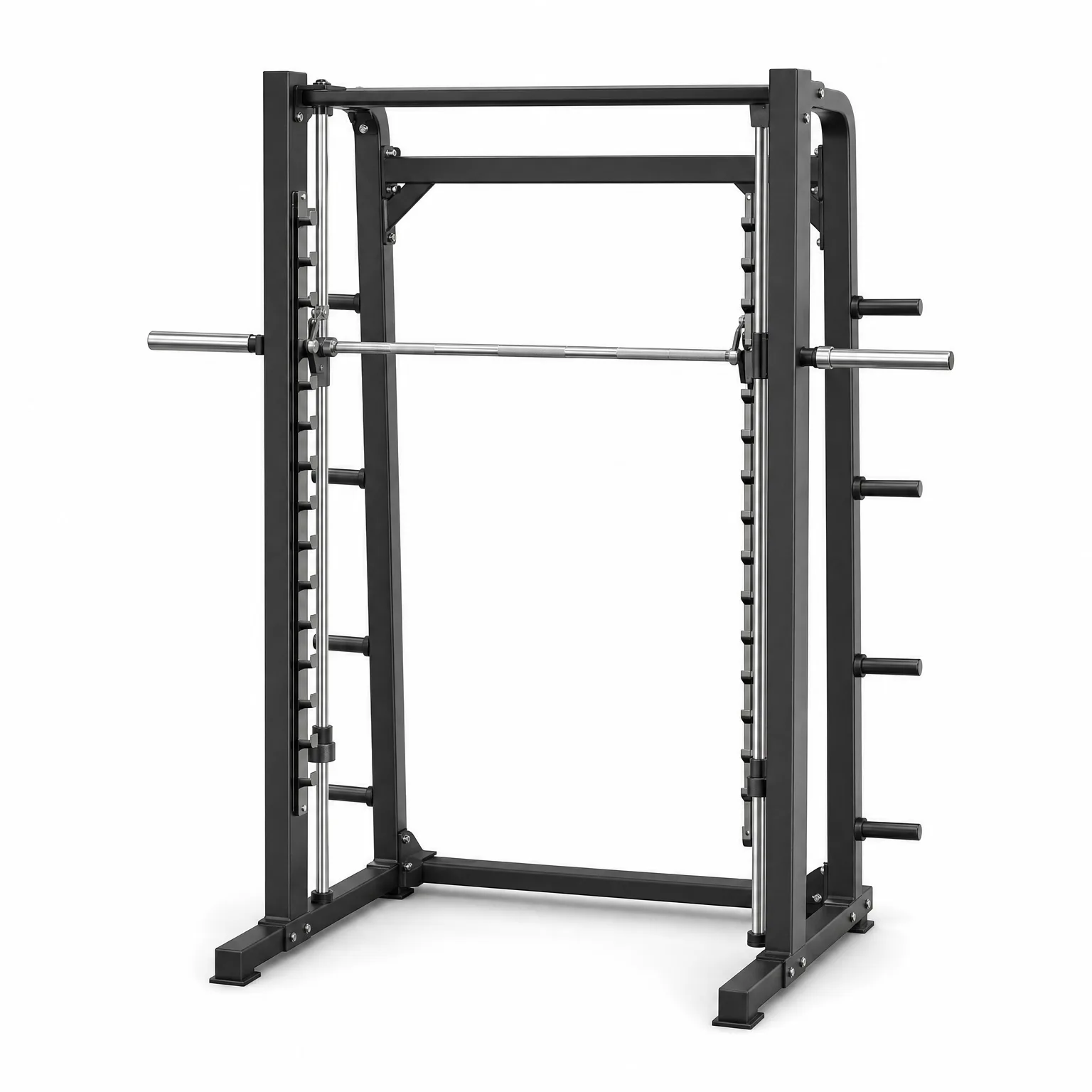
Smith machine
A barbell that slides on fixed guide rails, with hooks that lock at many heights. Used for squats, presses and rows without a spotter.
Often used with
-
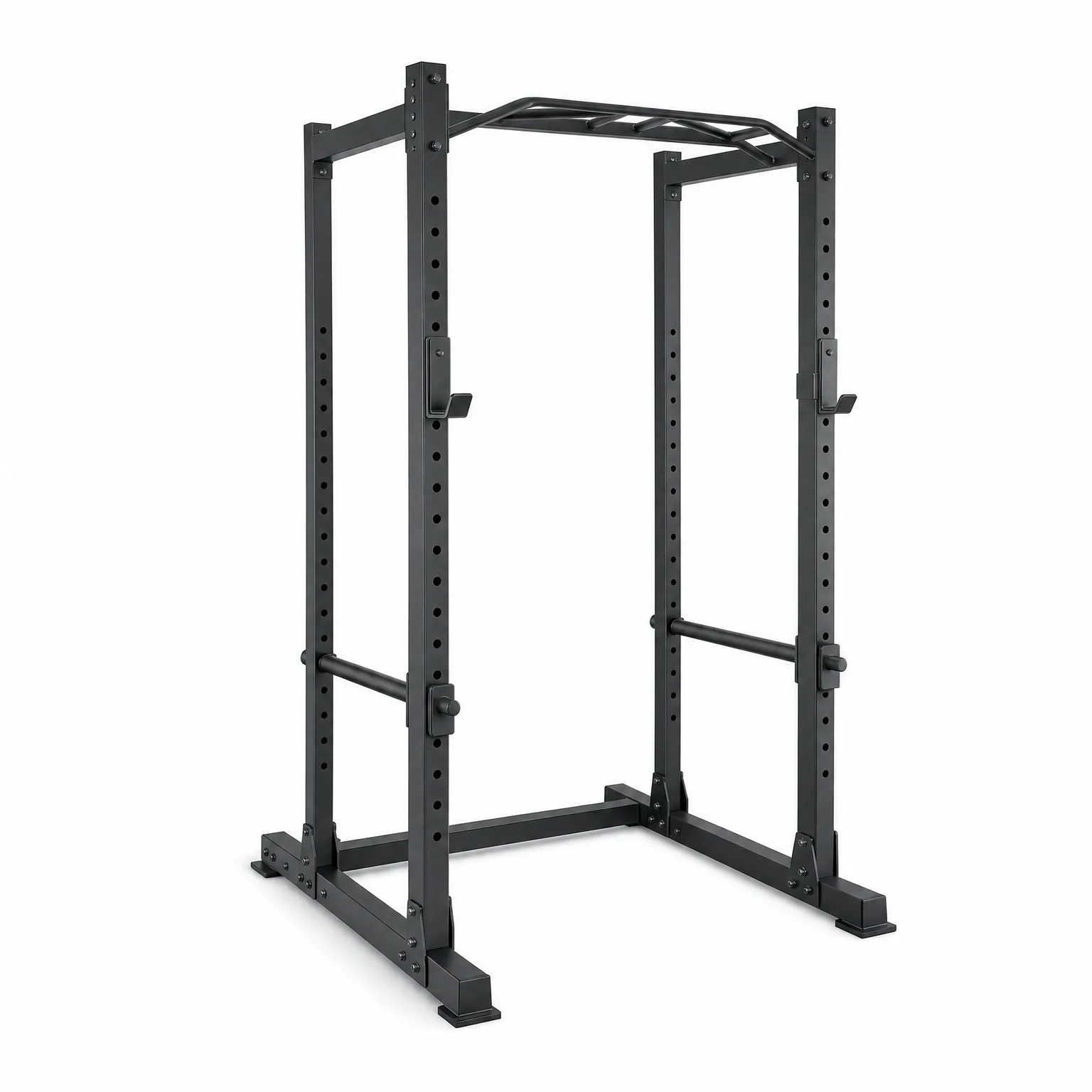
Squat rack
A steel frame that holds a barbell at the height you need and catches it if a rep fails. The base for squats and presses. -
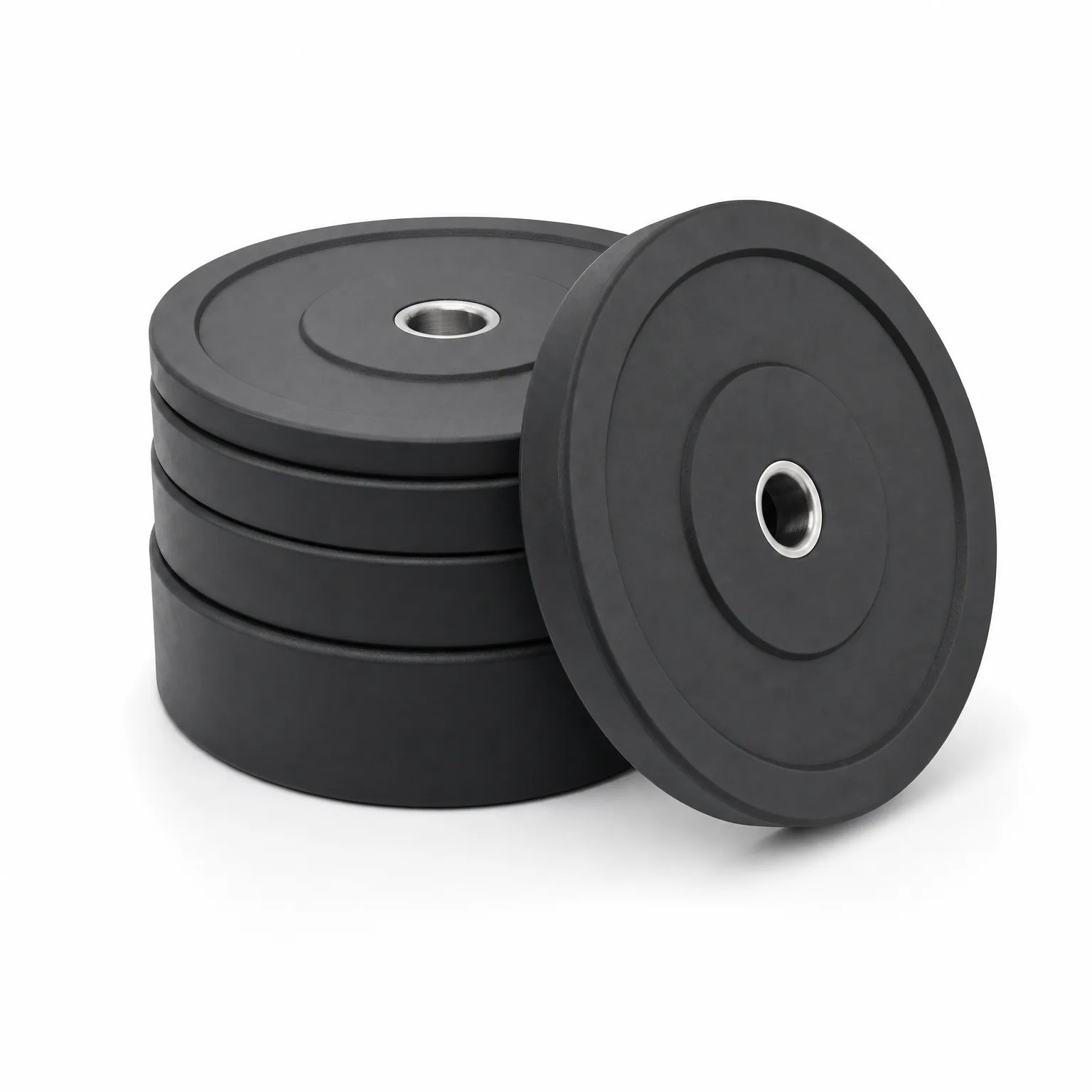
Weight plates
Flat discs that slide onto a barbell or machine to set the load. A single plate also works as a hand-held weight. -
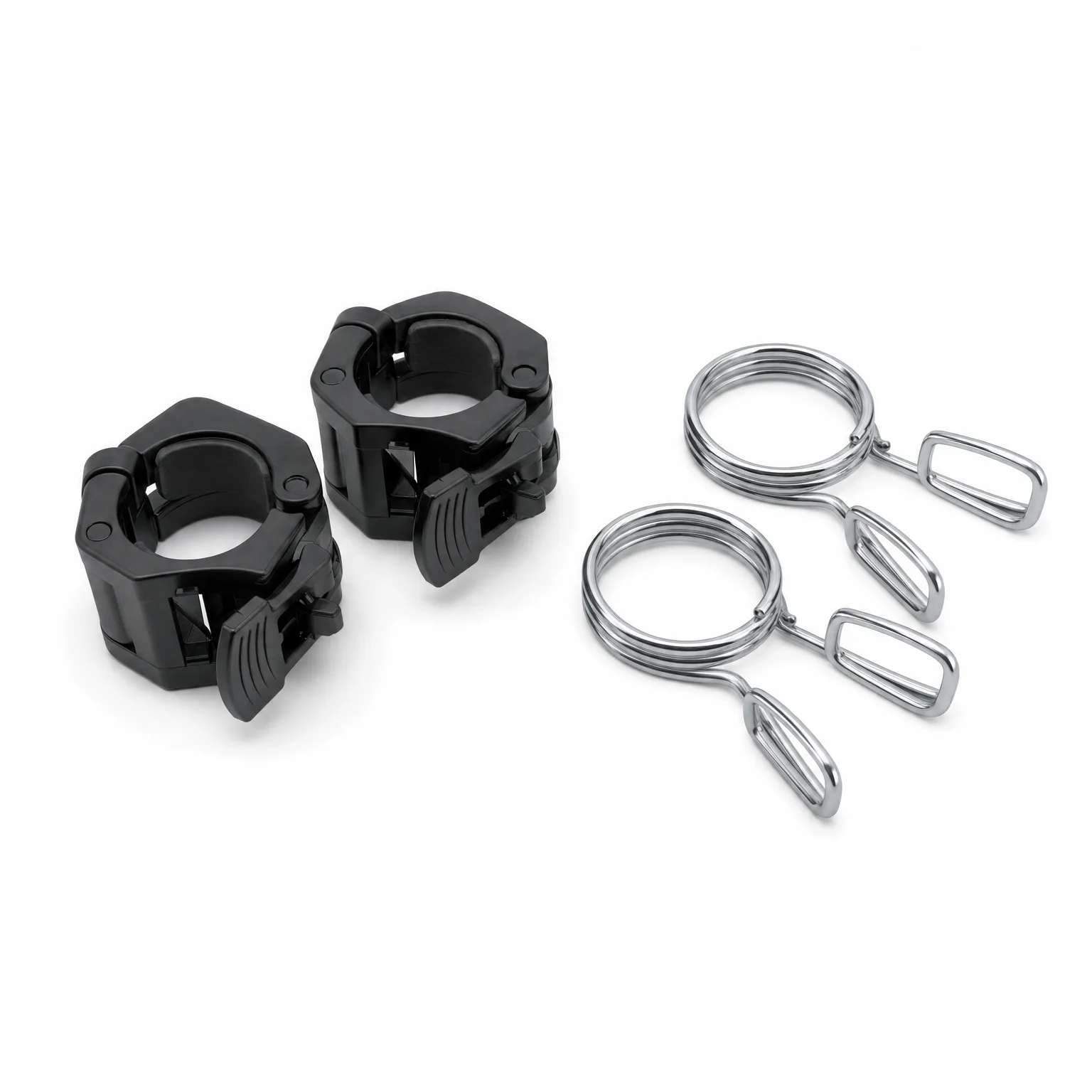
Barbell collars
Clips or clamps that slide onto the ends of a barbell and hold the weight plates in place so they cannot shift or slide off. -
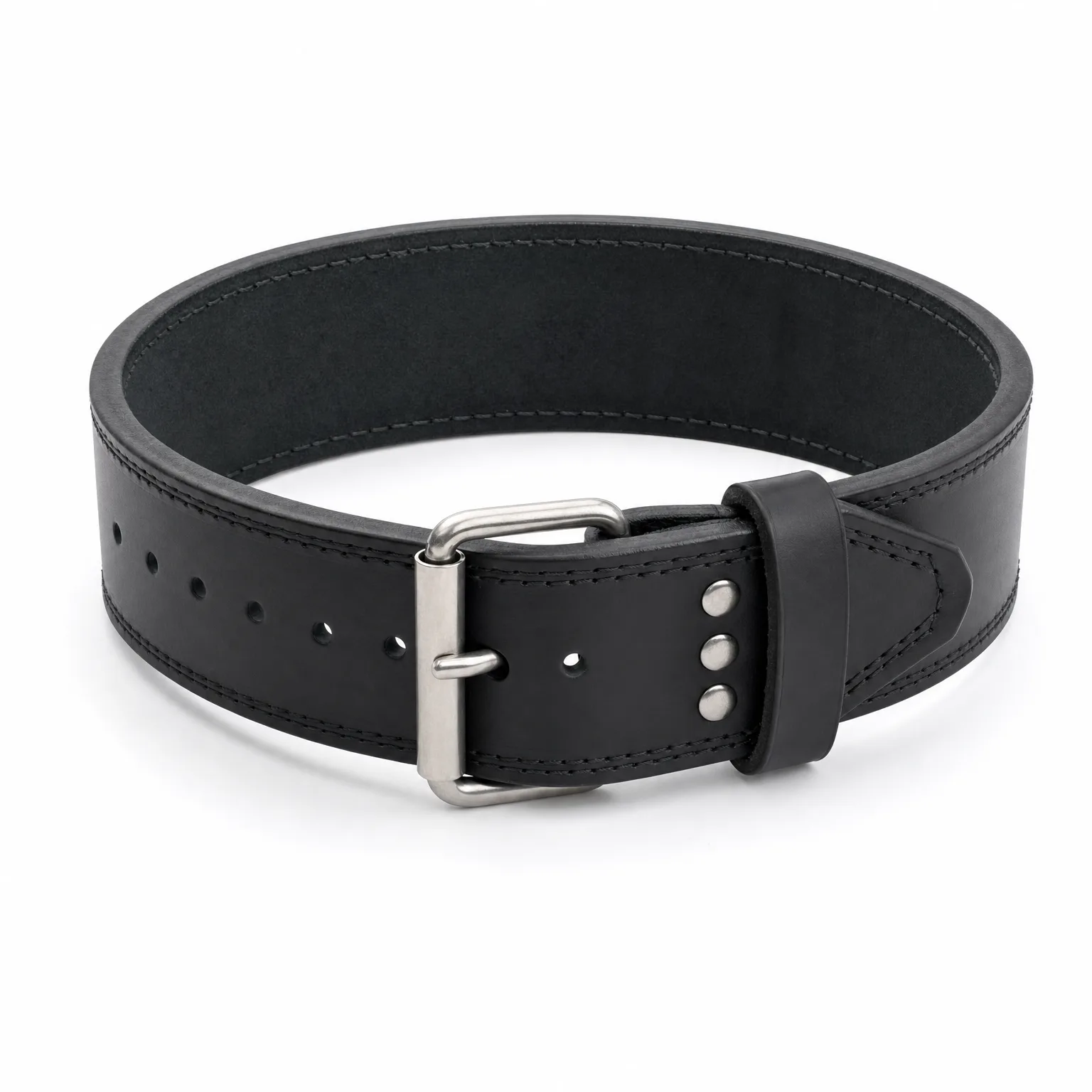
Lifting belt
A stiff belt worn tight around the waist on heavy squats, deadlifts and presses. It gives your abdomen a wall to brace against.
Questions about safety squat bar
How much does a safety squat bar weigh?
It varies by model, usually between 20 and 32 kg (45 to 70 lb), and many are around 27 to 30 kg. There is no standard, so check the stamp on the bar or the maker's listing instead of assuming 20 kg.
Safety squat bar vs straight bar: which is harder?
Most lifters handle less weight with a safety squat bar. The load sits forward of the shoulders, so the upper back and trunk tire before the legs do. The legs still work hard, and the squat itself usually looks more upright than a low-bar squat.
What muscles does a safety squat bar work?
The same as any squat, mainly the quads and glutes, with more work for the upper and mid back and the trunk, which hold the torso up against the forward pull of the bar.
Can a beginner use a safety squat bar?
Yes, if the gym has one and a coach or experienced lifter shows the setup. It removes the need to hold a bar behind the shoulders. A beginner should still start with the empty bar and learn to keep the torso angle steady.
Build programs around what your client has
This guide comes from OnlineFitness.app, the app online coaches run their clients in.
Free for life for the first 100 coachesNo card