Equipment Mobility and recovery
Back stretcher
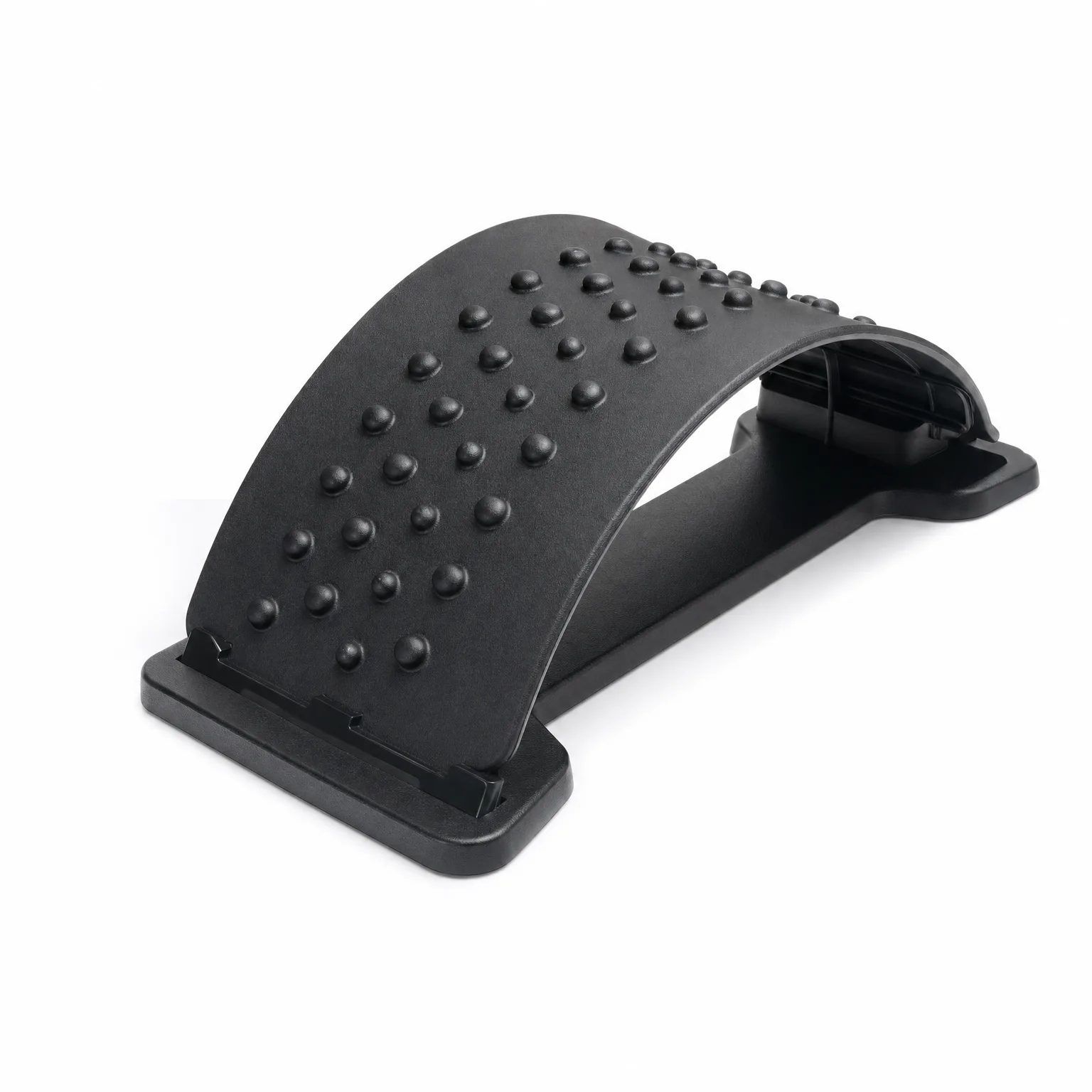
A curved plastic arch you lie over on the floor. It holds the lower and mid back in a gentle supported backbend for a passive stretch.
In short
A back stretcher is a small arched board, usually a flexible plastic curve clipped into a flat base, often with a row of bumps down the middle. You lie on the floor with the arch under your back and let your body weight rest over it. This holds the spine in a mild backbend and stretches the front of the trunk without any effort from you.
People use it for a few minutes after long periods of sitting, as a passive counter-position to a rounded back. It is a stretching prop, not a medical device. There is little evidence that it changes posture or helps with back pain, so it is best seen as one comfortable way to lie in extension. It suits people who already tolerate lying over a rolled towel or a foam roller.
- Category
- Mobility and recovery
- Where
- Home
- Level
- Beginner and up
- Space
- Fits in a drawer or a bag
- Typical sizes
- About 38–40 cm long and 25 cm wide (15 x 10 in); arch height usually adjustable in three steps, roughly 5–12 cm (2–5 in)
- Also called
- back stretcher board, lumbar stretcher, back arch stretcher, arched back stretcher, spine stretcher, lumbar arch board, back bridge stretcher
Muscles it works
- Main
- Lower back
What it is used for
- Lying over the arch for a few minutes as a passive backbend
- A break from sitting, to put the spine in the opposite position
- A gentle stretch for the abdomen and the front of the chest
- Propped against a chair back as a lumbar support, on models designed for it
Types
Adjustable arch board. The common design: a flexible arch that slots into a base at two or three positions, each giving a higher curve. Lets you start low and increase gradually.
Fixed foam arch. A solid curved block of dense foam with no adjustment. Softer under the back and wider, but one height only.
Board with spikes or magnets. Arches with raised plastic points, sometimes with small magnets. The points add a prickly pressure. There is no good evidence that the magnets do anything.
Inflatable stretcher. A cushion you lie on and pump up by hand, so the height changes while you are on it. Less stable than a rigid arch.
How to choose
Pick an adjustable arch
Three height settings let you begin with the lowest curve and move up only if it feels comfortable. A fixed high arch is too much for many people at first.
Check the padding
A foam strip down the middle softens the pressure on the spine. Bare hard plastic or tall spikes are uncomfortable for many people, especially thin ones. If the model has bumps, low and rounded ones are easier to tolerate.
Look at the base and the rating
The base should be rigid with non-slip strips so the arch does not slide or flatten under you. Use it only up to the body weight the manufacturer states.
Consider whether you need one
A rolled bath towel or a foam roller gives a similar supported backbend and lets you test whether the position suits you before buying a single-purpose tool.
How to start using it
- Start on the lowest setting. Clip the arch into the first slot and place it on a mat or carpet. A hard, slippery floor lets the base slide.
- Lower yourself onto it from sitting. Sit on the floor just in front of the arch with your knees bent. Lean back on your elbows and lower the back onto the curve so its highest point is under the lower-mid back, not under the pelvis or the neck. Keep the knees bent and feet flat.
- Stay for a short time. Begin with 1–2 minutes of relaxed breathing. Over a couple of weeks, build to about 5 minutes if it stays comfortable. Arms can rest by your sides, or overhead for a stronger stretch across the chest.
- Come off sideways. Roll onto one side, slide the arch away and push yourself up with your hands. Sitting straight up from the arched position is awkward. Move around gently afterwards.
Common mistakes
Starting on the highest arch
The top setting is a strong backbend held under body weight. Going straight to it can leave the back sore. Earn each step up over several sessions.
Lying on it for too long
Ten or twenty minutes in a passive end position is more than most people find comfortable. Short, regular sessions are easier to tolerate than one long one.
Pushing through pain
A mild stretch and some pressure are expected. Sharp pain, pain that travels into a leg, numbness or tingling is a signal to get off and not use it until you have asked a doctor or physical therapist.
Expecting it to fix a back problem
It holds one position. It does not strengthen anything and is not a treatment. If you have ongoing back pain, a diagnosed spine condition, osteoporosis or recent surgery, get medical advice before using one.
Placing it under the neck
The arch is sized for the trunk. Under the neck it forces the head back at a sharp angle. Keep it below the shoulder blades.
What to use instead
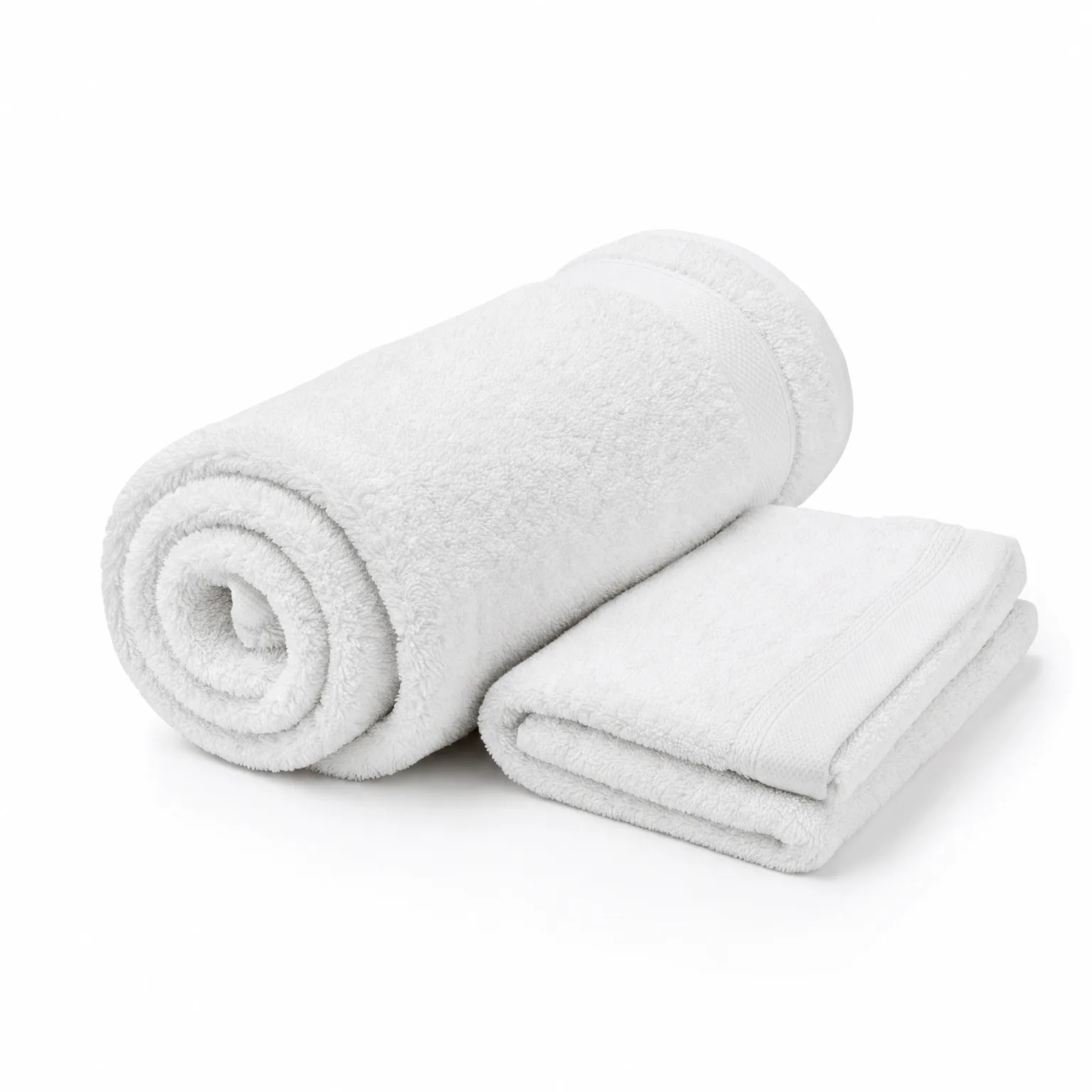
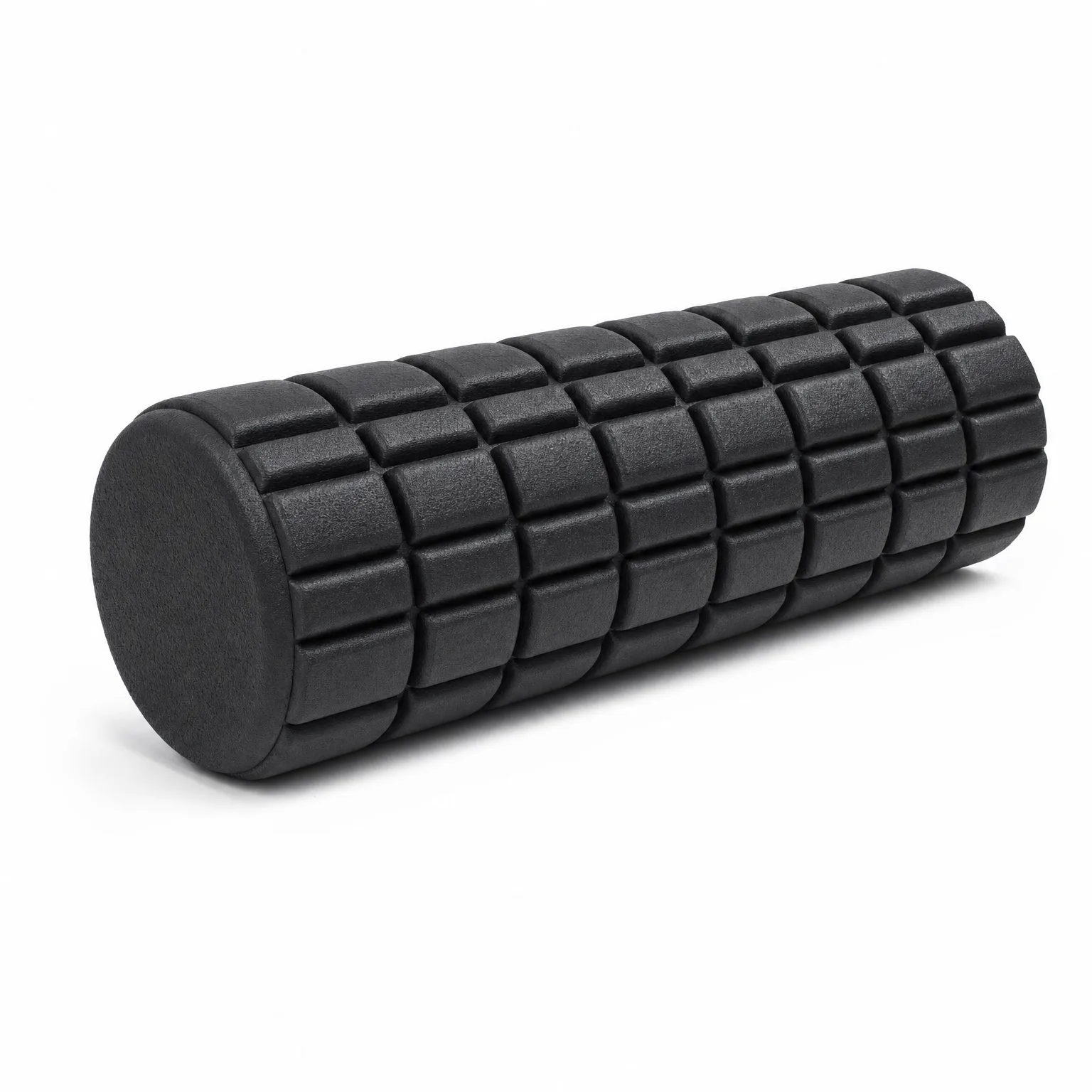
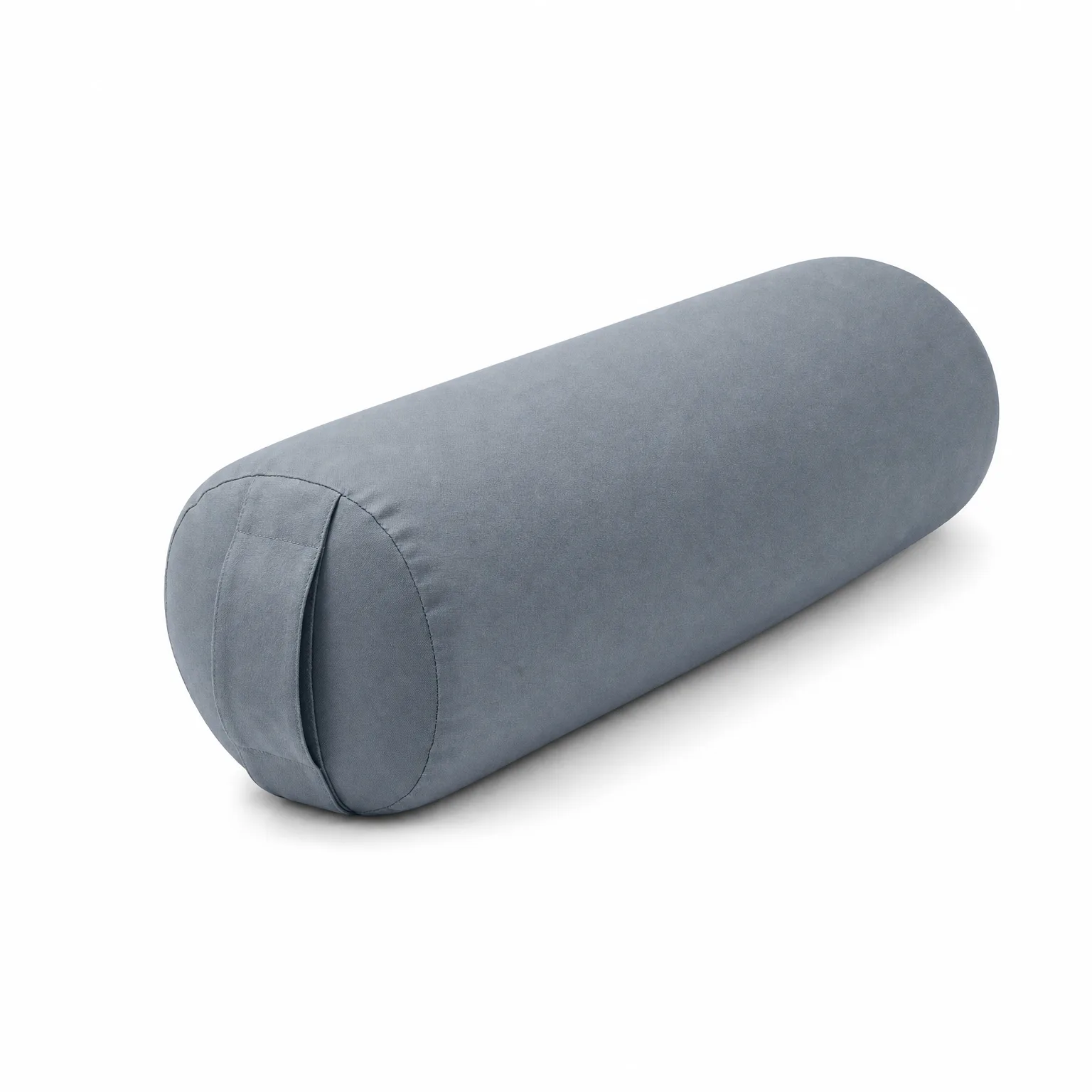
A bath towel rolled to the thickness of a forearm and placed across the lower-mid back gives the same kind of supported backbend, and you can change the height by rolling it tighter or looser. A foam roller under the upper back, a yoga bolster along the spine and lying back over a stability ball are other ways to rest in extension. Active options, such as lying face down and propping up on the forearms, need no equipment at all.
-
Towel
A towel doubles as sliders on a smooth floor, a stretching strap, a pulling tool for isometric exercises and padding for the knees. -
Foam roller
A firm foam cylinder you lie on and roll along a muscle for self-massage, usually during a warm-up or after training. -
Yoga bolster
A long, dense cushion that supports the back, hips or knees so you can rest in a yoga pose or sit comfortably for a long hold. -
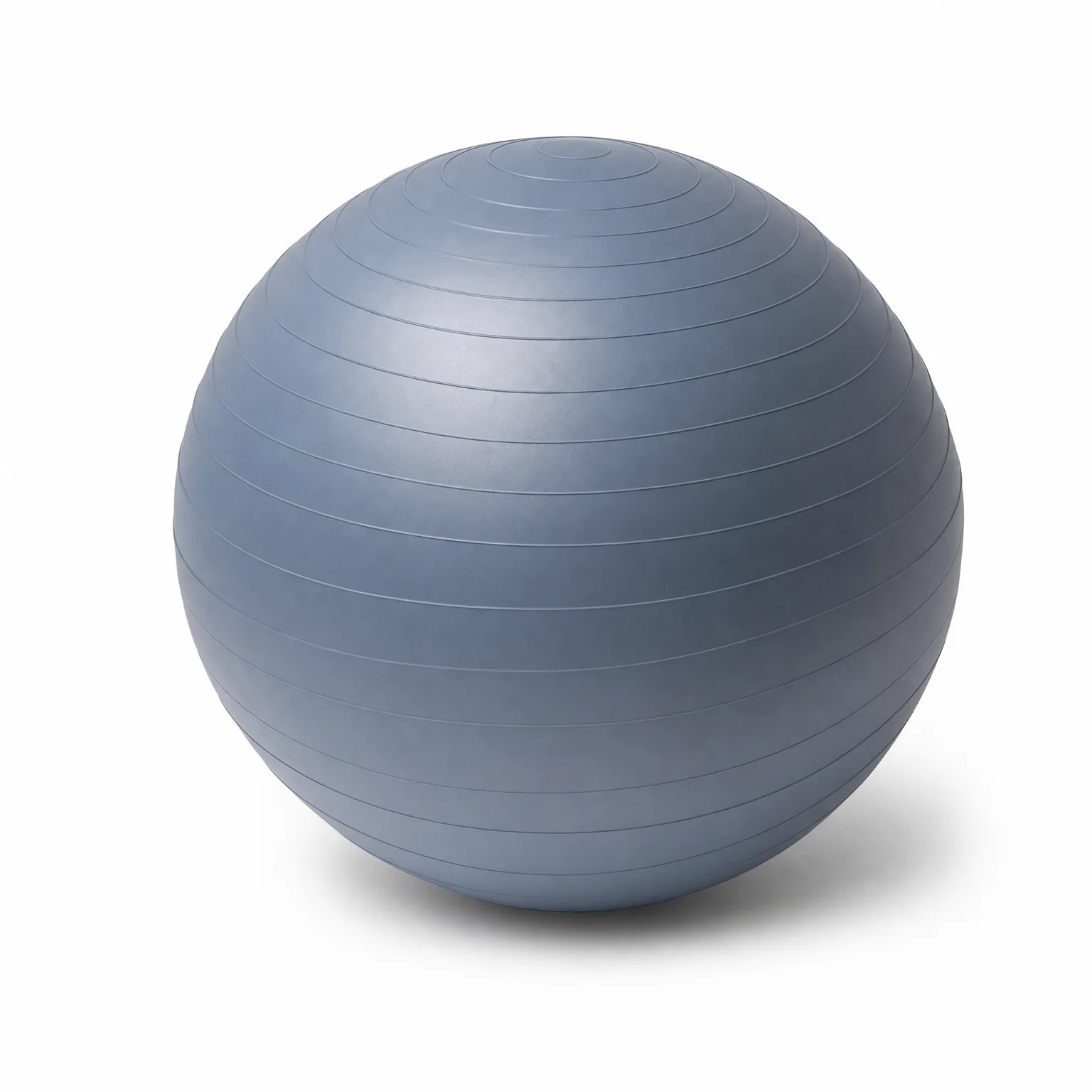
Stability ball
A large inflatable ball you sit, lie or lean on. The unstable surface is used for core exercises, hamstring curls and supported stretches.
Often used with

Questions about back stretcher
What does a back stretcher do?
It supports the back in a gentle backward curve while you lie on it, which passively stretches the abdomen and chest and puts the spine in the opposite position to slumped sitting. Many people find that pleasant for a few minutes. It does not strengthen muscles or realign the spine.
Does a back stretcher help with back pain?
There is little research on these boards specifically, so no firm claim can be made. Some people say lying in gentle extension feels good, others find it aggravating. It is not a treatment. For back pain that lasts more than a few weeks, or comes with leg pain, numbness or weakness, see a doctor or physical therapist.
How long should I lie on a back stretcher?
Start with 1–2 minutes on the lowest setting, once or twice a day. If that stays comfortable, build up gradually to around 5 minutes. Longer is not better, and soreness afterwards means you did too much or too high.
Who should not use a back stretcher?
Manufacturers generally advise against use, or advise asking a doctor first, for people with a diagnosed spine condition, a recent back injury or surgery, osteoporosis, or during pregnancy. The same applies if lying over it causes sharp or radiating pain.
Build programs around what your client has
This guide comes from OnlineFitness.app, the app online coaches run their clients in.
Free for life for the first 100 coachesNo card