T-bar row
A plate-loaded lever arm you row toward your torso, standing or lying on a chest pad. Builds the lats, mid back and traps.
In short
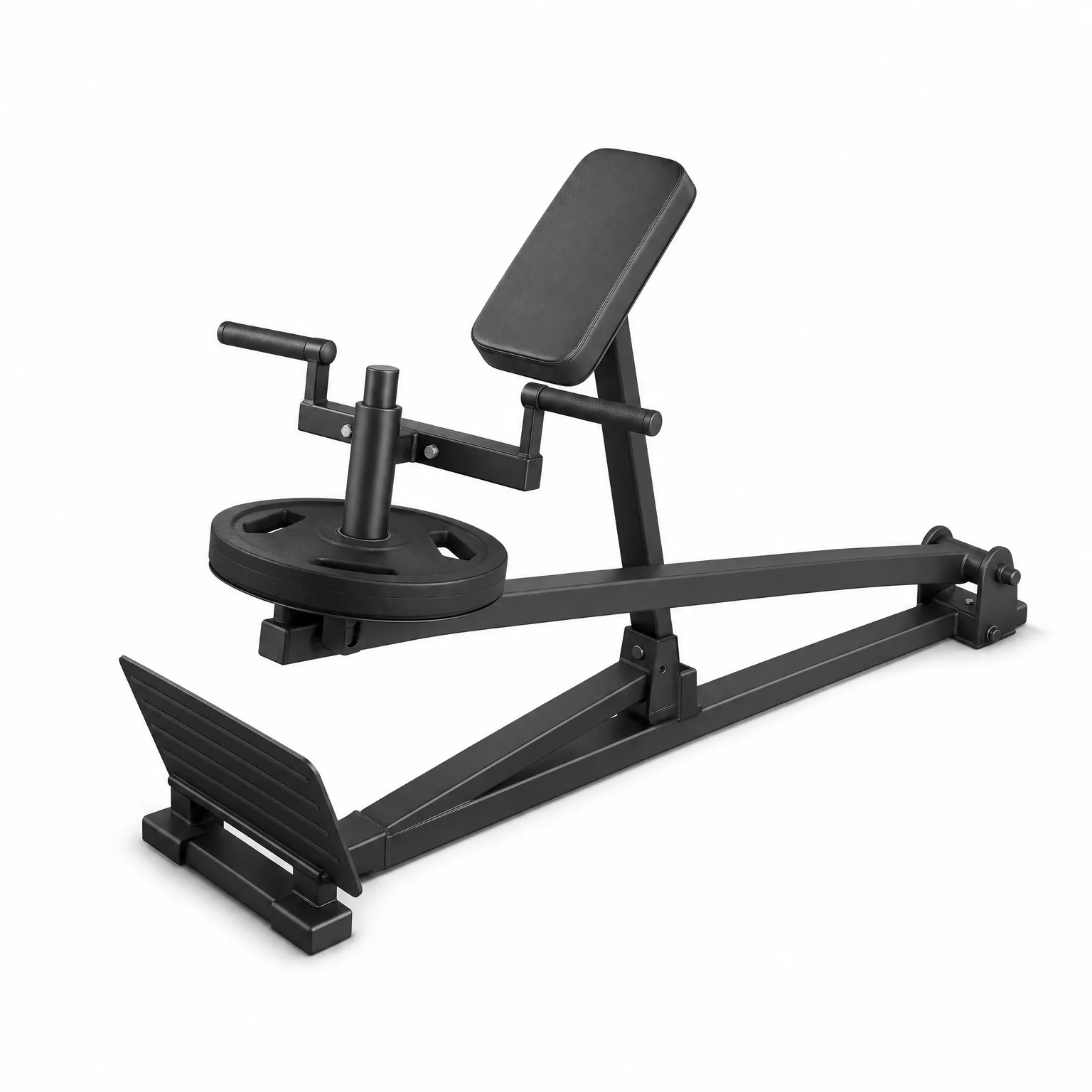
A T-bar row is a bar or lever arm hinged at one end and loaded with plates at the other. You stand over it or lie face down on an angled chest pad, grip the handles and pull the loaded end toward your torso. It trains the lats, mid back, traps and rear delts, with the biceps and forearms helping.
The fixed pivot guides the bar in an arc, so it is easier to learn than a bent-over barbell row and allows heavy loads. The chest-supported machine takes the lower back out of the lift and suits beginners. The standing version asks you to hold a hip hinge under load.
- Category
- Gym machines
- Where
- Gym
- Level
- Beginner and up
- Space
- Needs a dedicated area
- Typical sizes
- Chest-supported machine about 1.8 x 1.0 m (6 x 3.3 ft); the landmine version uses a 2.2 m (7.2 ft), 20 kg (44 lb) bar
- Also called
- t-bar row machine, chest supported row, chest supported t-bar row, lever row, landmine row, t bar, incline row machine
Muscles it works
- Main
- Lats, Mid back, Traps, Rear delts
- Also works
- Biceps, Forearms, Lower back
What it is used for
- Heavy two-arm rows for back thickness
- Chest-supported rows that leave the lower back fresh for other lifts
- Wide-grip rows for the upper back and rear delts
- Narrow neutral-grip rows with more work for the lats
Types
Chest-supported machine. An angled pad carries your torso while you row a lever arm from below. The lower back does not hold the position, so the upper back is the limit.
Standing platform machine. A footplate with a hinged arm and several handles. You stand bent over and row. Loads the lower back and hamstrings as stabilizers.
Landmine T-bar. One end of a barbell in a landmine pivot or a corner, plates on the other end, a V-handle under the bar. The simplest setup and the freest path.
Seated lever row. A seated plate-loaded row with a chest pad and independent arms. A close relative, often placed next to the T-bar in a gym.
How to choose
Pick the version for your back
If holding a bent-over position is the first thing that tires, use the chest-supported machine. If you want the hips and lower back to work as stabilizers and you can keep a flat back, use the standing version.
Set the chest pad height
On an adjustable machine, set the pad so its top edge sits at the upper chest, below the collarbones. You should reach the handles with straight arms and still have the chest on the pad. Too high and the pad presses on the throat.
Choose the grip
A narrow neutral grip, palms facing each other, lets the elbows stay close and gives the lats more work. A wide overhand grip flares the elbows and shifts the work to the upper back and rear delts. Start with the narrow one.
Use smaller plates
Iron plates of 10 kg or 25 lb and under have a smaller diameter than full-size ones, so the bar travels farther before the plates meet your chest or the pad. Several small plates give a longer rep than one large plate.
How to start using it
- Set up on the machine. On the chest-supported version, stand on the footplate, lay your chest on the pad and reach down for the handles. Lift the arm off its rest. On the standing version, straddle the bar, bend the knees slightly and hinge at the hips until the torso is about 45 degrees to the floor.
- Start with a light load. Begin with one small plate and do 10–12 reps. The lever arm itself has weight, and the feel changes a lot between machines. Add plates when all reps reach the same height.
- Pull the elbows back. Row the handles toward the lower chest or upper stomach. Think of driving the elbows behind you and squeezing the shoulder blades together at the top. Pause for a moment.
- Lower all the way. Let the arms straighten fully and the shoulder blades spread apart at the bottom, over about two seconds. Keep the torso angle the same from the first rep to the last.
Common mistakes
Standing up with each rep
On the standing version, jerking the torso upright to move the bar turns the row into a partial deadlift. Keep the torso angle fixed and reduce the load if you cannot.
Rounding the lower back
A rounded back under a heavy bent-over load puts the strain on the spine instead of the back muscles. Brace, keep the chest up, or switch to the chest-supported machine.
Chest lifting off the pad
Arching away from the pad to finish a rep shortens the range and brings the lower back in. Stay on the pad and stop where the elbows stop.
Short reps with big plates
Full-size plates hit the chest or the pad early and cut the top of the rep. Load smaller plates and row higher.
Shrugging the shoulders
Pulling the shoulders up toward the ears moves the work to the upper traps and neck. Keep the shoulders down and pull the elbows back, not up.
What to use instead
A seated cable row trains the same muscles with the load guided by a cable and a chest that stays upright. A barbell in a landmine pivot with a V-handle is a T-bar row in its simplest form. A bent-over barbell row or a one-arm dumbbell row with a hand on a bench covers the same pattern with free weights.
-
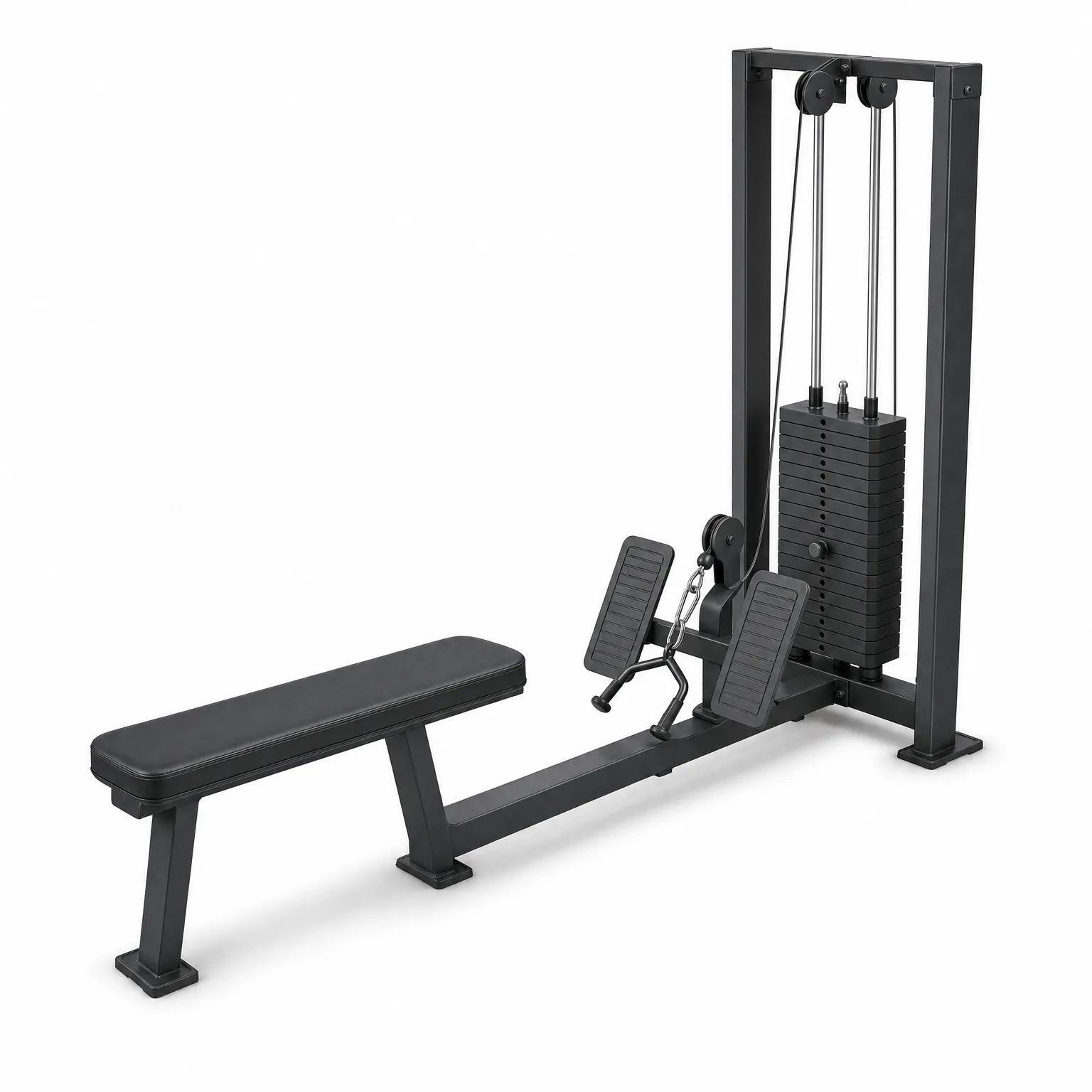
Seated row machine
A seat facing a low cable or a pair of lever arms. You pull the handles to your torso to train the mid back and lats. -
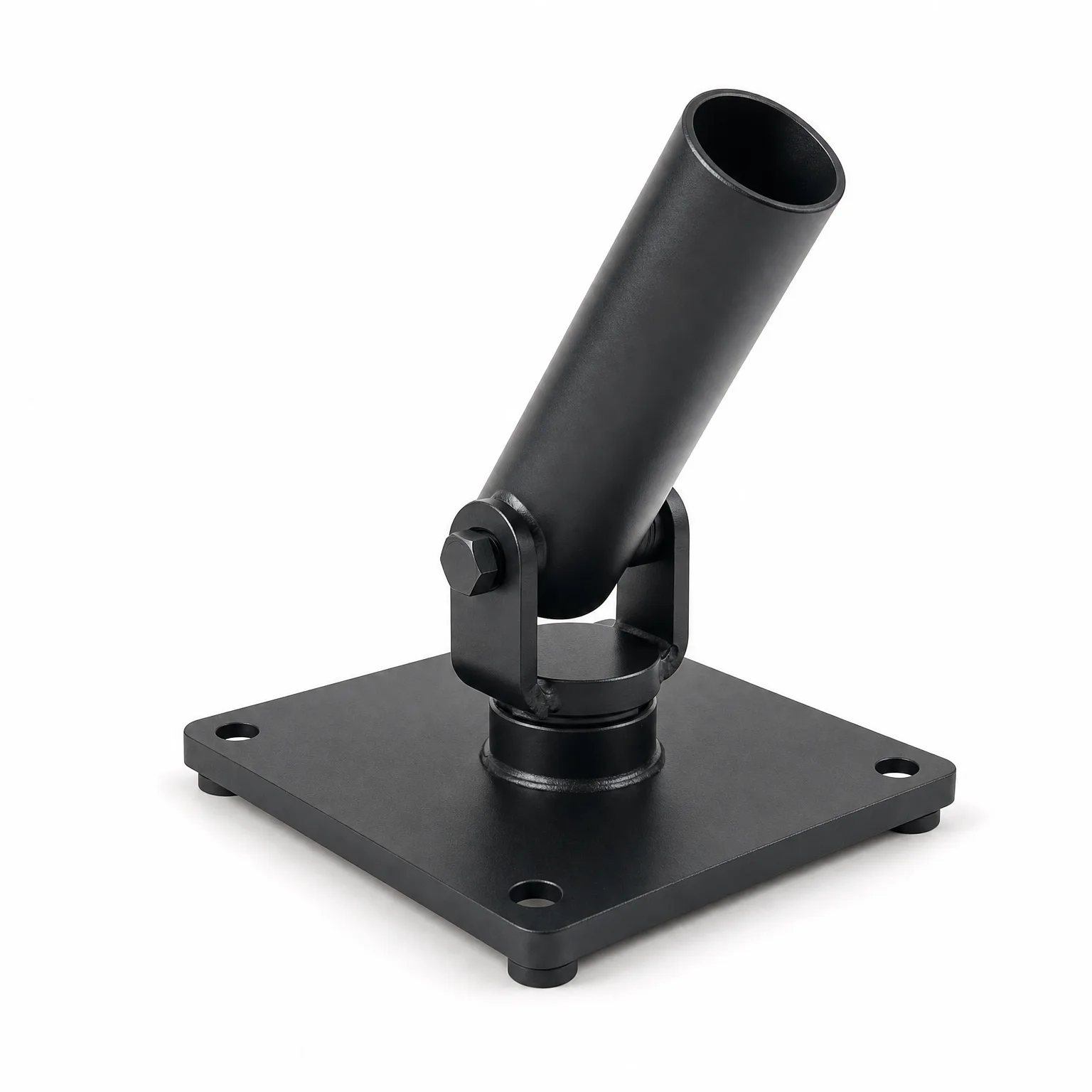
Landmine
A floor pivot that holds one end of a barbell so the other end moves in an arc. Used for presses, rows, squats and rotations. -

Barbell
A long steel bar loaded with plates at both ends. The standard tool for squats, deadlifts, presses and rows with heavy weight. -

Dumbbells
A pair of short handles with a weight at each end. One pair trains every major muscle group, at home or in a gym.
Often used with
-
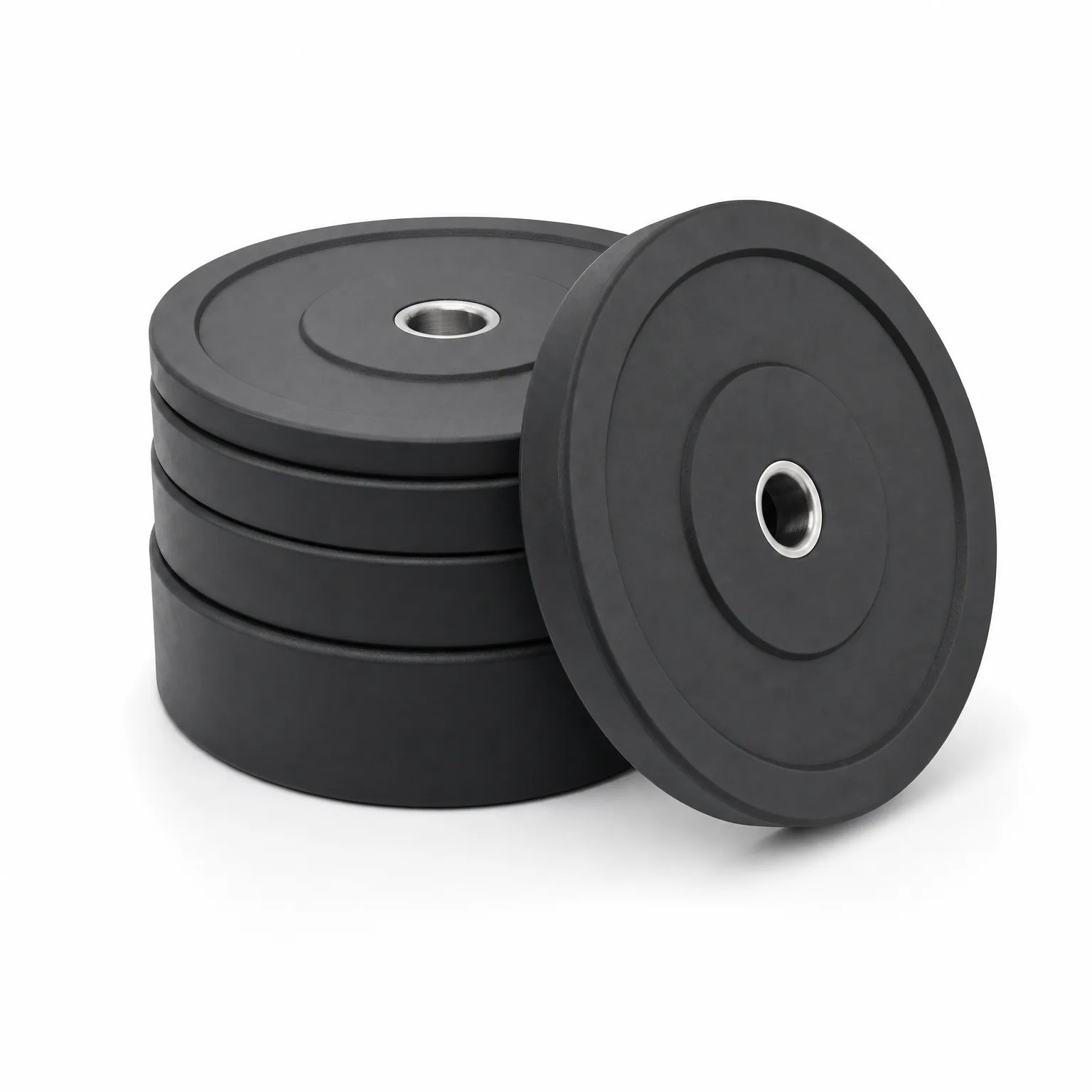
Weight plates
Flat discs that slide onto a barbell or machine to set the load. A single plate also works as a hand-held weight. -
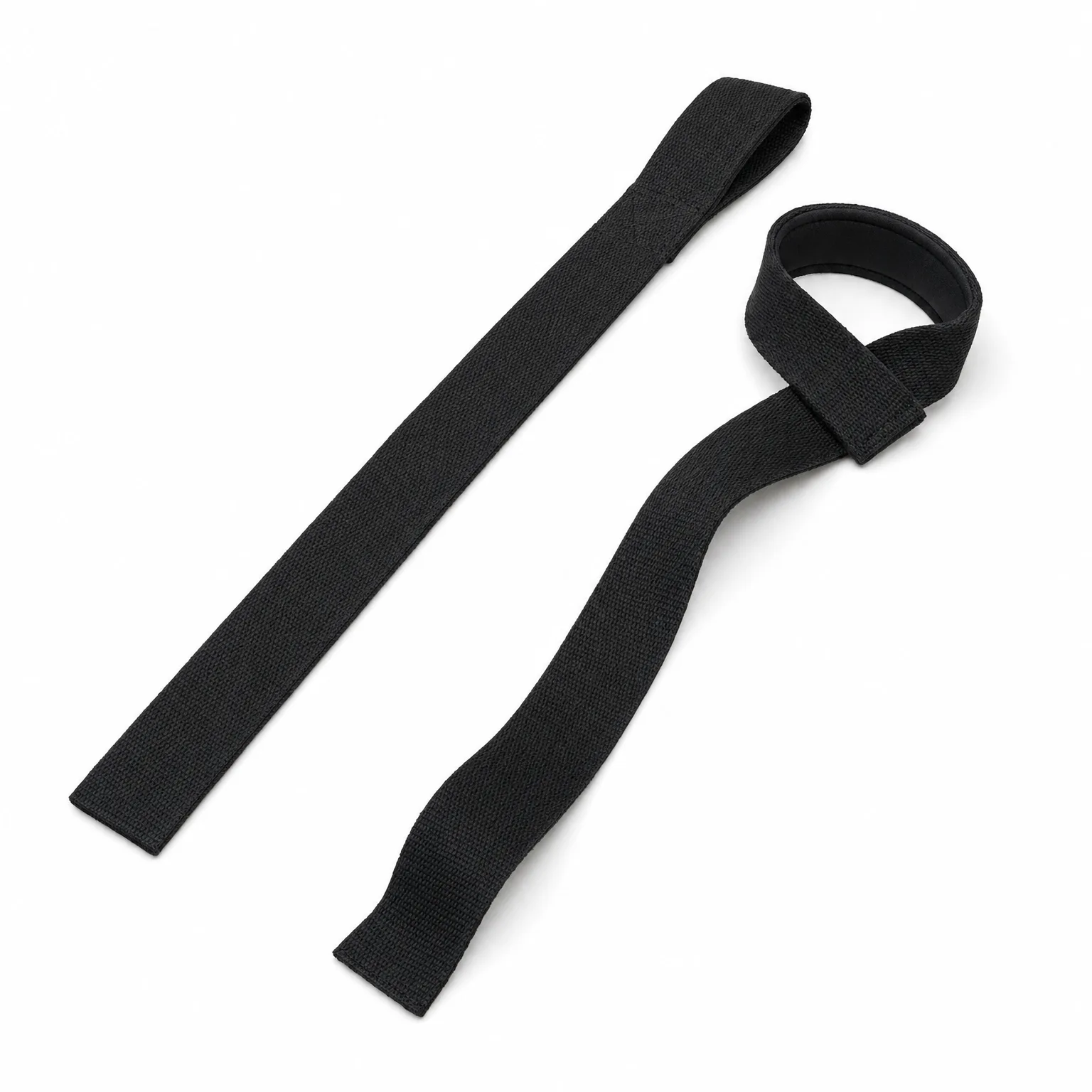
Lifting straps
Fabric loops that tie your wrists to the bar so grip strength does not end a set of deadlifts, rows or pull-ups early. -
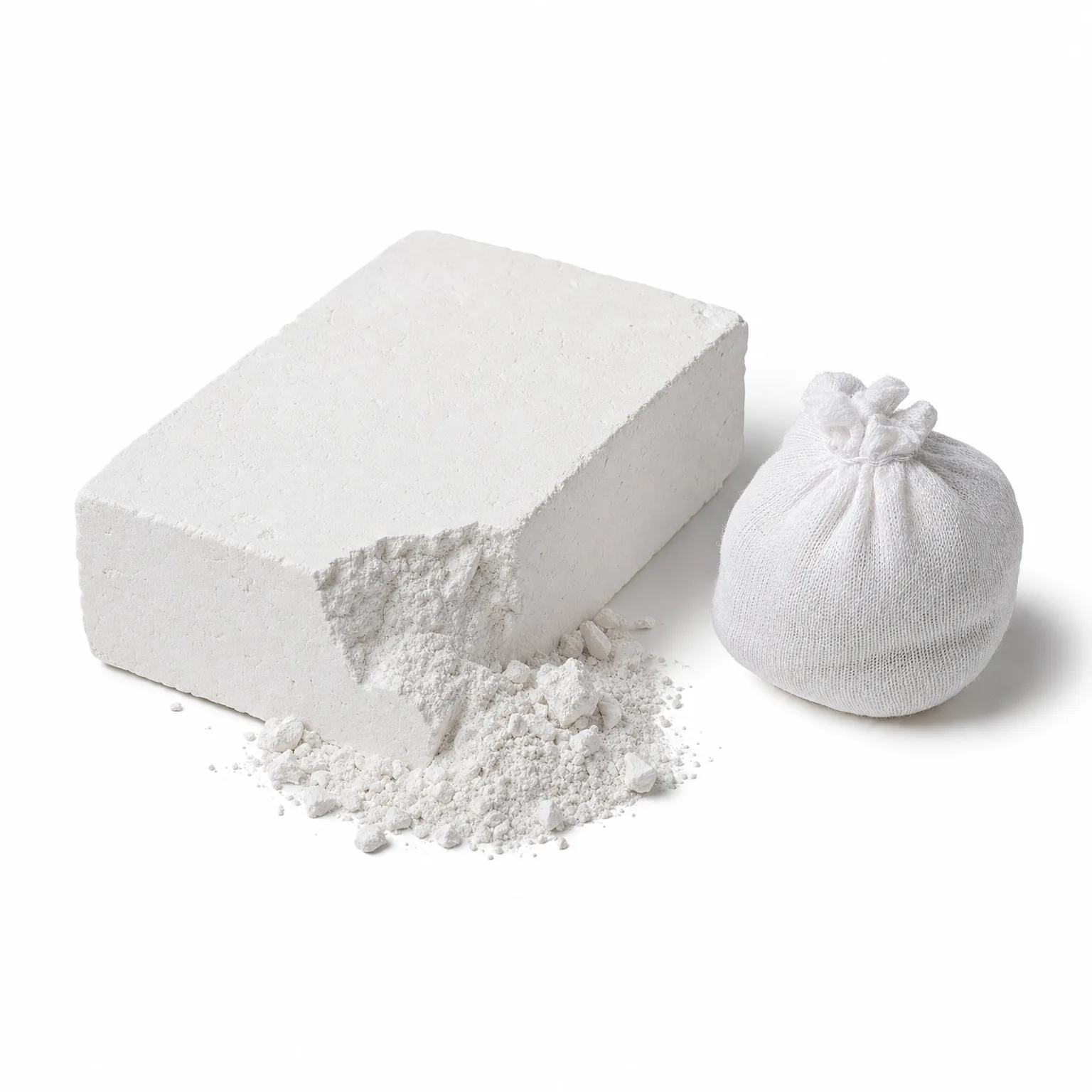
Gym chalk
Magnesium carbonate powder that dries sweaty hands so a bar, kettlebell or rings do not slip. Sold as a block, a ball or a liquid. -
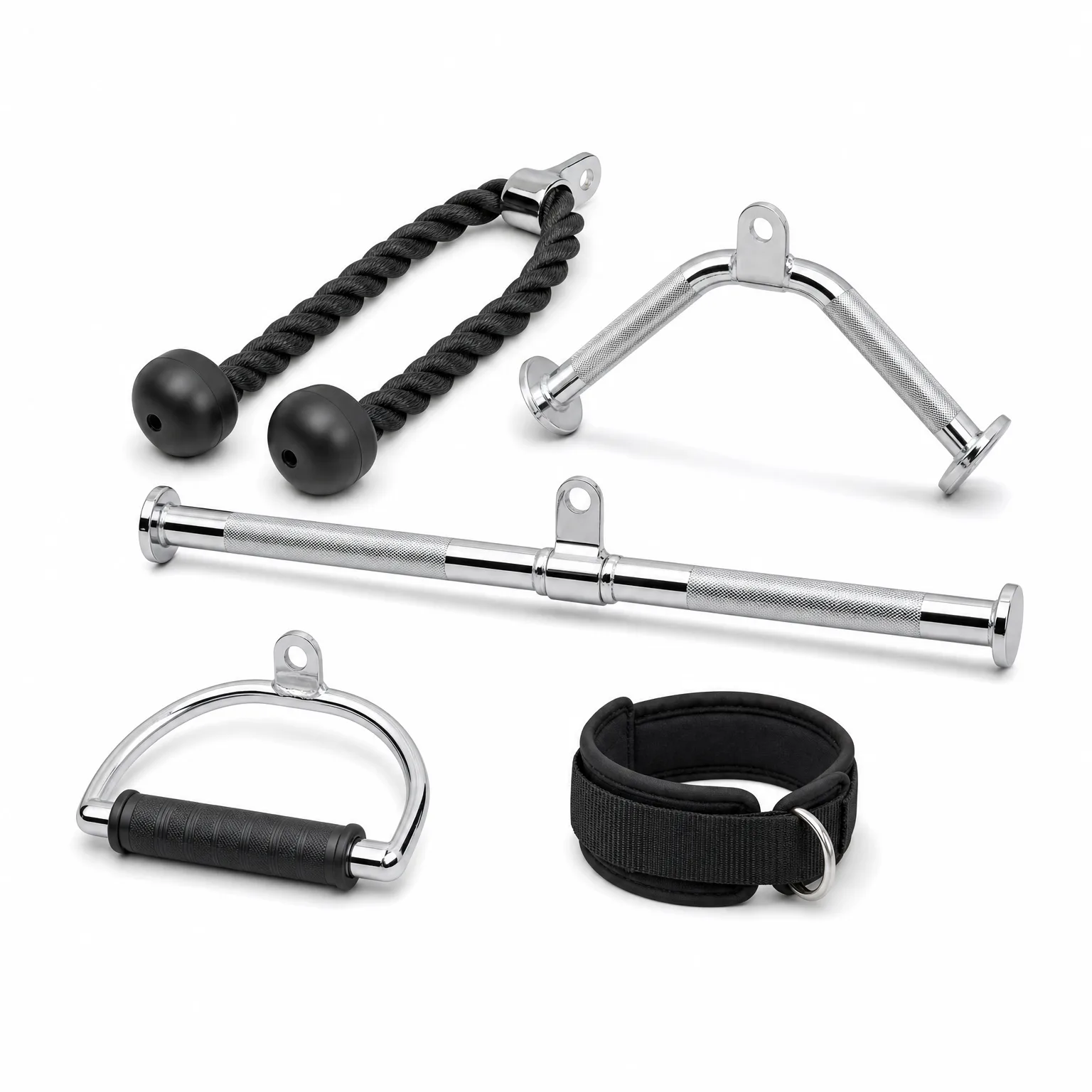
Cable attachments
The handles, bars, ropes and cuffs that clip onto a cable machine. Each one sets your grip and changes which exercises the cable can do.
Questions about t-bar row
What muscles does the T-bar row work?
The lats, the mid back (rhomboids and middle traps), the lower traps and the rear delts. The biceps and forearms assist with the pull. On the standing version the lower back, glutes and hamstrings also work to hold the bent-over position.
T-bar row vs barbell row: what is the difference?
In a T-bar row one end of the bar is fixed to a pivot, so the load moves in a set arc and is easier to control. A barbell row is free at both ends and needs more balance and lower back strength. The T-bar usually allows a neutral grip, which many people find more comfortable for the wrists and shoulders.
Is a chest-supported T-bar row better than the standing one?
It is better when you want the upper back to be the only limit, or when your lower back is already tired from squats and deadlifts. The standing version trains the hips and lower back to hold a hinge and usually allows more load. Both build the back.
How do you do a T-bar row without a machine?
Put one end of a barbell in a landmine attachment, or wedge it into a corner with a folded towel to protect the wall. Load plates on the free end, straddle the bar, hook a V-handle under it close to the plates and row from a hip hinge.
Which grip is best for the T-bar row?
A narrow neutral grip is the usual starting point: it keeps the elbows close and works the lats and mid back together. A wide overhand grip targets the upper back and rear delts more and usually needs a lighter load. Using both across the week is common.
Build programs around what your client has
This guide comes from OnlineFitness.app, the app online coaches run their clients in.
Free for life for the first 100 coachesNo card