Equipment Mobility and recovery
Acupressure mat
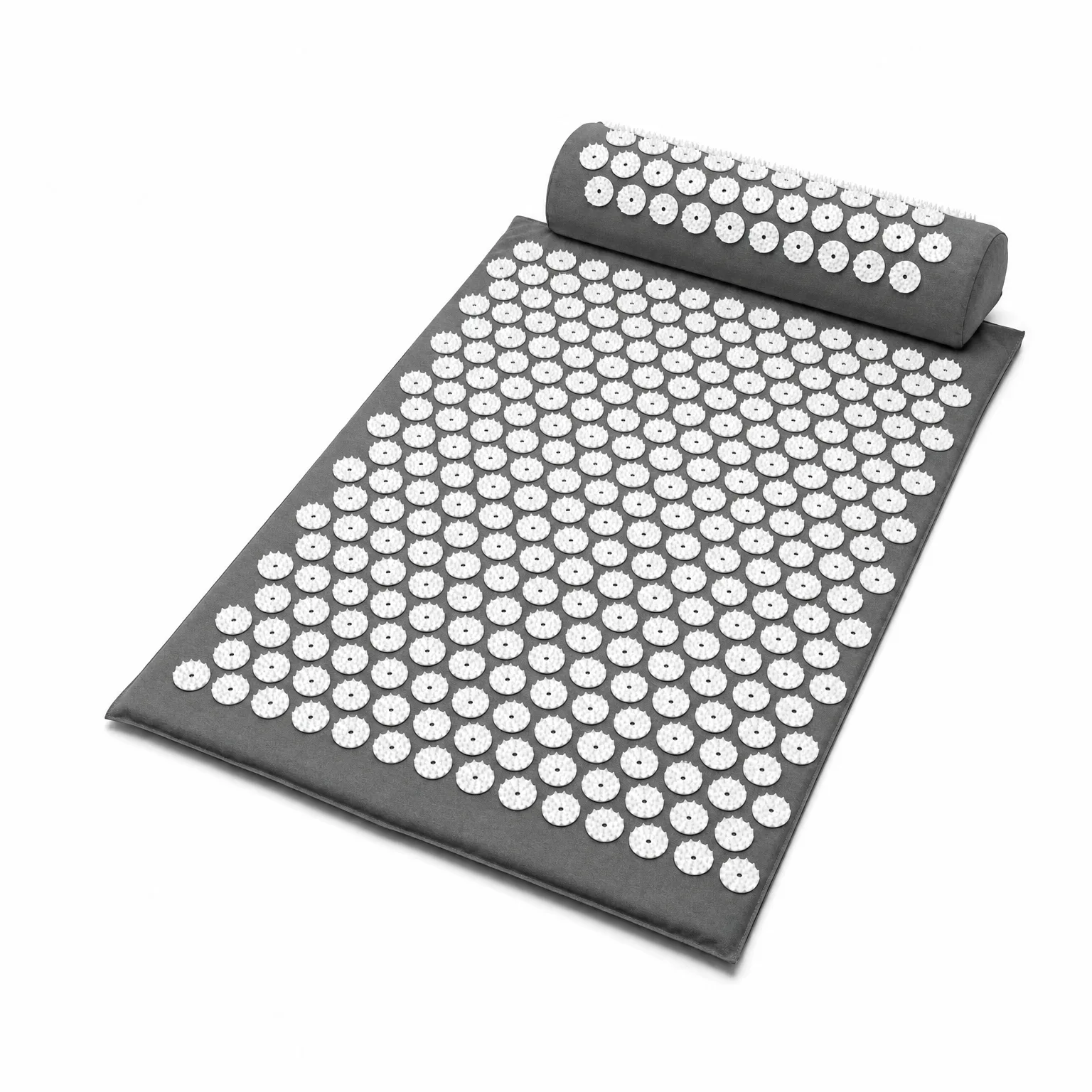
A thin foam mat covered in thousands of small plastic spikes. You lie on it for a few minutes for a strong prickling pressure on the skin.
In short
An acupressure mat is a padded mat about the size of a doormat, covered with plastic discs that each carry a ring of short, pointed spikes. You lie, sit or stand on it so your body weight presses the skin onto thousands of points at once. In normal use the points do not pierce the skin. The feeling is a sharp prickle at first that usually turns into warmth after a minute or two.
People use it as a way to wind down, most often lying on it with the back for 10–20 minutes in the evening. Research is limited to small studies, mostly on how relaxed people feel, so it should not be bought as a treatment for pain, sleep problems or any condition. It is a sensation tool that some people enjoy and others find unpleasant.
- Category
- Mobility and recovery
- Where
- Home, Travel
- Level
- Beginner and up
- Space
- Fits in a drawer or a bag
- Typical sizes
- About 65–75 x 40–45 cm (26–29 x 16–18 in), around 2 cm (0.8 in) thick; the neck pillow is roughly 35–40 cm (14–16 in) long
- Also called
- spike mat, acupressure mat and pillow, bed of nails mat, needle mat, acupressure pillow, nail mat
What it is used for
- Lying on the back for 10–20 minutes as part of an evening wind-down
- Resting the neck and upper shoulders on the matching spiked pillow
- Standing or resting the feet on the mat while seated
- Sitting on it, or placing it behind the back on a chair
- A fixed quiet period for slow breathing
Types
Mat with neck pillow. The usual set: a flat mat for the back and a half-round pillow with the same spikes for the neck. The pillow also goes under the lower back or feet.
Dense or sparse spikes. More points spread the load and feel milder. Fewer, sharper points feel more intense. Sellers often label these as levels for beginners and advanced users.
Long or full-body mat. A mat of 120 cm (47 in) or more that covers the back, hips and thighs at once. Bulkier to store.
Natural-fill mat. A cotton or linen cover filled with coconut fiber or buckwheat instead of foam. Firmer under the body, and the cover is often removable for washing.
How to choose
Start with a milder mat
If you have not used one before, pick a mat with a high number of points. The pressure is shared across more spikes, so each one presses less. Very sharp, sparse mats are hard to relax on at first.
Check the size against your back
A standard mat about 70 cm (28 in) long covers from the shoulders to the lower back on most adults. Taller people, or anyone who wants the hips covered too, should look at a longer mat.
Decide whether you need the pillow
The pillow adds neck and shoulder contact and doubles as a foot rest. A rolled towel under the mat gives a similar neck shape if you buy the mat alone.
Look at how it cleans
The mat touches bare skin. A cover that comes off the foam for hand washing, or a surface that can be rinsed and air-dried, is more practical than a mat that is glued shut.
How to start using it
- Lay it on a soft surface first. A bed or sofa lets the mat give under you and makes the points feel milder than on a hard floor. Wear a thin T-shirt for the first sessions and move to bare skin later if you want a stronger sensation.
- Lower yourself slowly and evenly. Sit just below the mat, support yourself on your hands and roll down onto it so the whole back lands at once. Bend your knees. Do not slide or wriggle once you are down, because the points scratch when dragged across skin.
- Give it a couple of minutes. The first minute or two is the prickliest. For most people the sharpness then fades into warmth. Breathe slowly. Start with 5–10 minutes and build toward 15–20 if you like it.
- Get up the same way. Push up with your hands and lift straight off. Red marks and small dents on the skin are normal and usually fade within an hour or so.
Common mistakes
Dropping or sliding onto the mat
Landing on one area or shifting position drags the points across the skin and can scratch it. Lower yourself in one smooth movement and lift off to adjust.
Starting bare-skinned on a hard floor
That is the most intense setup and puts many people off after one try. Begin on a bed with a thin layer of clothing and reduce the cushioning over time.
Using it on irritated or broken skin
Do not lie on the mat over cuts, sunburn, rashes, moles that stick out or any inflamed skin. The points press hard enough to make these worse.
Treating it as therapy
The mat is not a substitute for medical care. Manufacturers usually tell people who are pregnant, take blood thinners, have a bleeding or skin disorder, or have reduced skin sensation, for example from diabetes, to ask a doctor first.
Sharing it without cleaning
The points leave tiny marks on the skin, so treat the mat as a personal item. Wash it as the maker instructs and let it dry fully before rolling it up.
What to use instead
Nothing in a normal home reproduces thousands of small points, but several tools give a strong pressure sensation that people use for the same wind-down purpose. Massage balls placed under the back or feet give a few firm points you can move. A foam roller or a massage stick gives broad rolling pressure. For the quiet time itself, lying on an exercise mat with a bolster under the knees and breathing slowly needs no spikes at all.
-
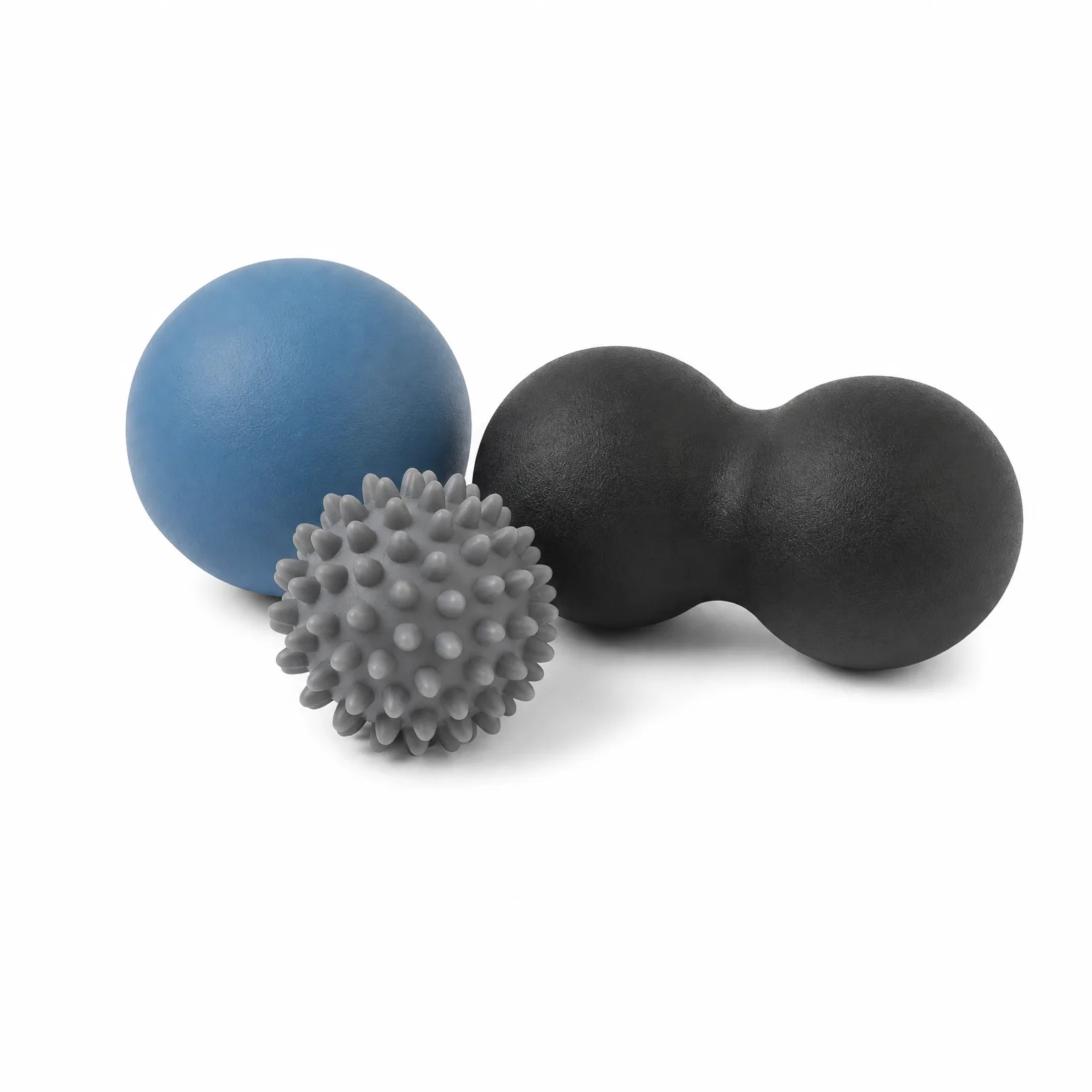
Massage balls
Small firm balls for pinpoint self-massage of the glutes, upper back, feet and other spots a foam roller cannot reach. -
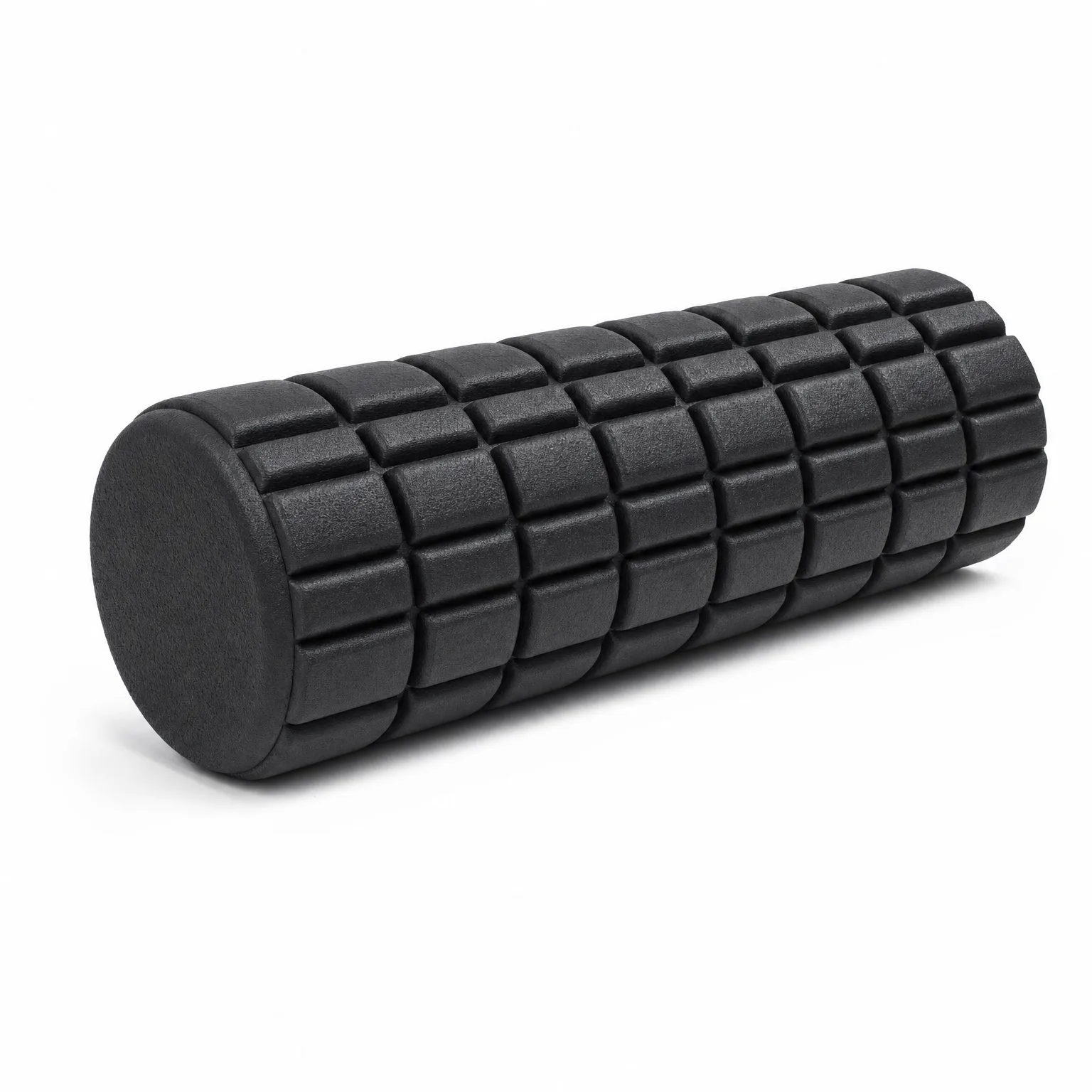
Foam roller
A firm foam cylinder you lie on and roll along a muscle for self-massage, usually during a warm-up or after training. -
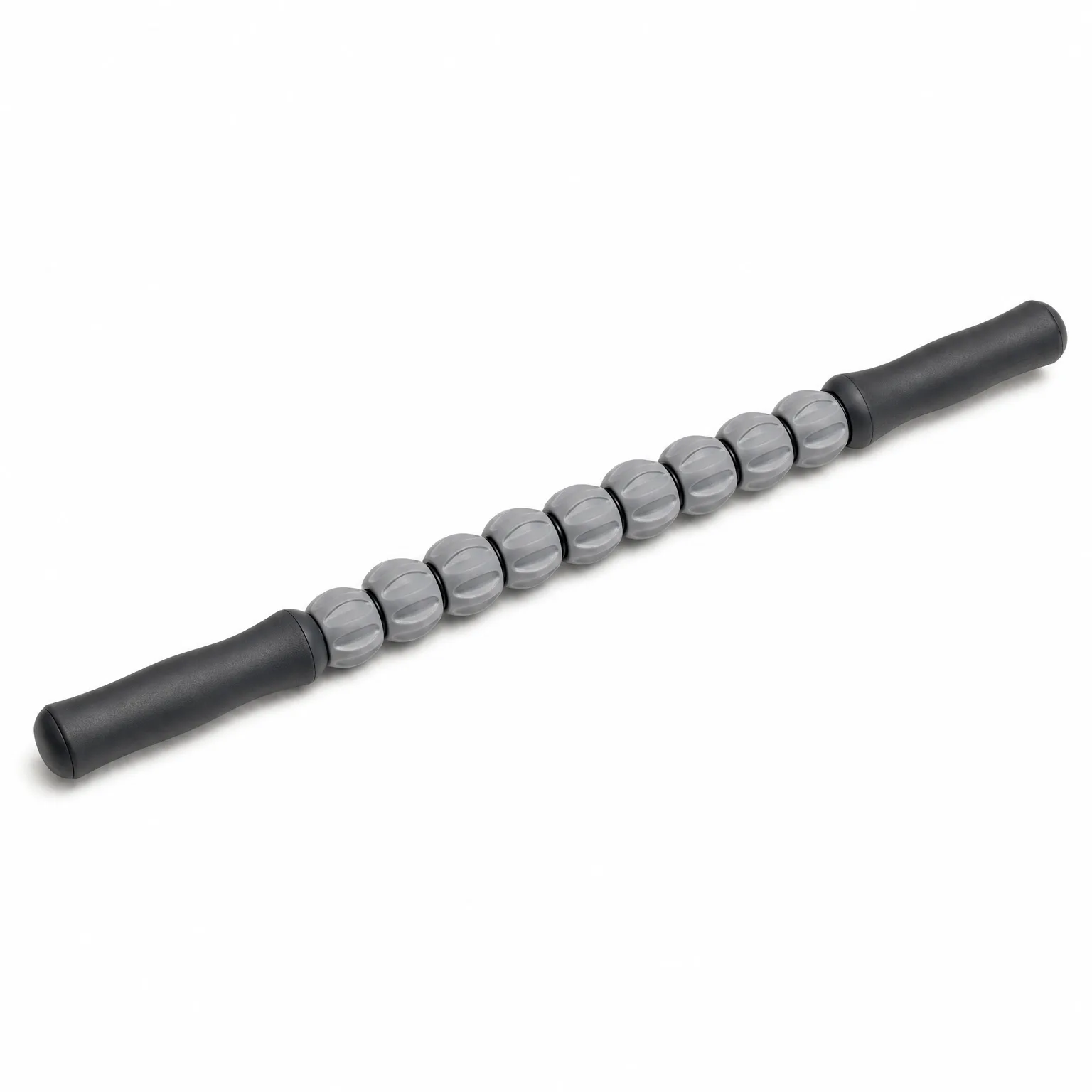
Massage stick
A handheld rod with rolling segments and a grip at each end. You press it into a muscle and roll it with your hands for self-massage.
Often used with
-

Exercise mat
A cushioned, non-slip surface for floor exercises, stretching and yoga. The first thing most people need to train at home. -
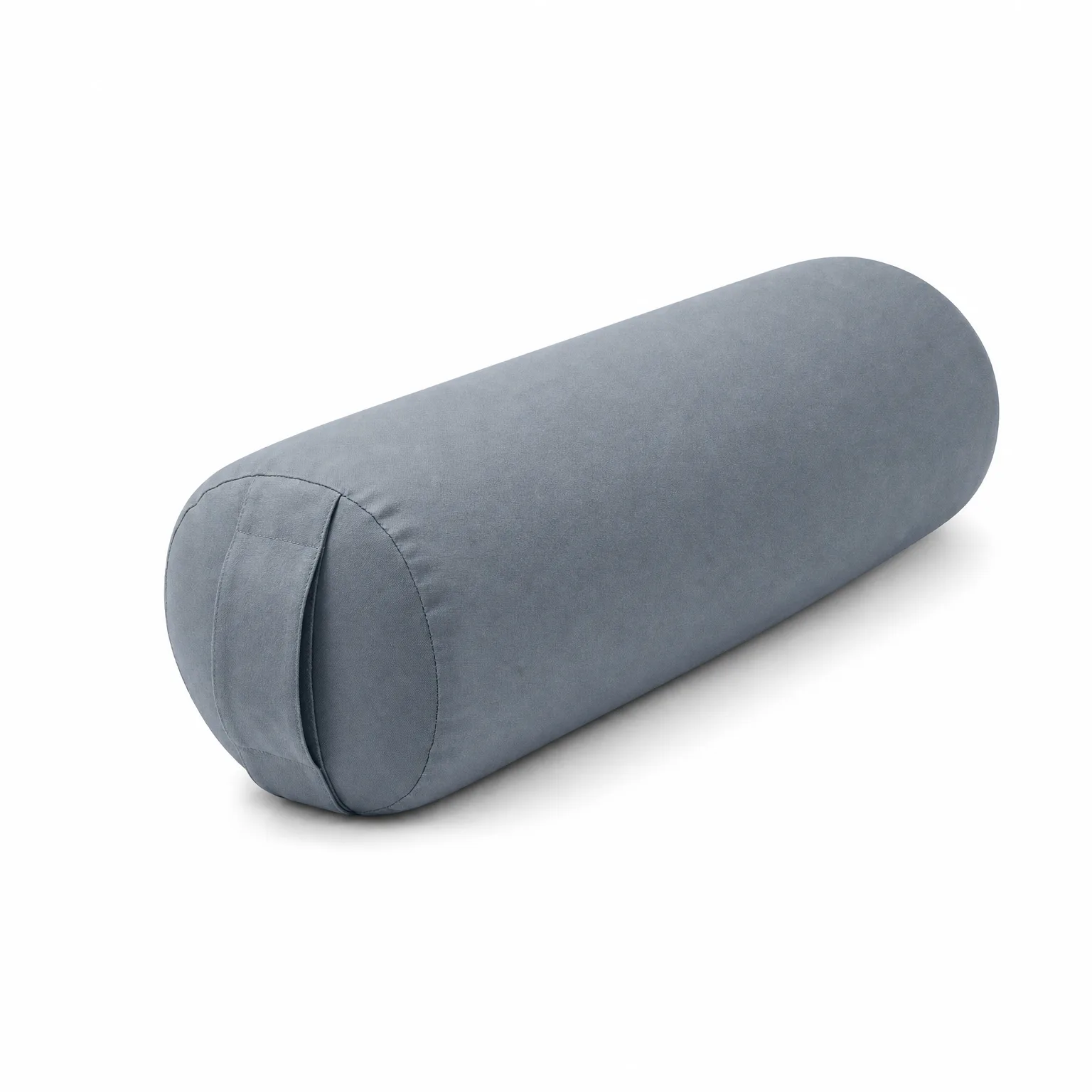
Yoga bolster
A long, dense cushion that supports the back, hips or knees so you can rest in a yoga pose or sit comfortably for a long hold. -
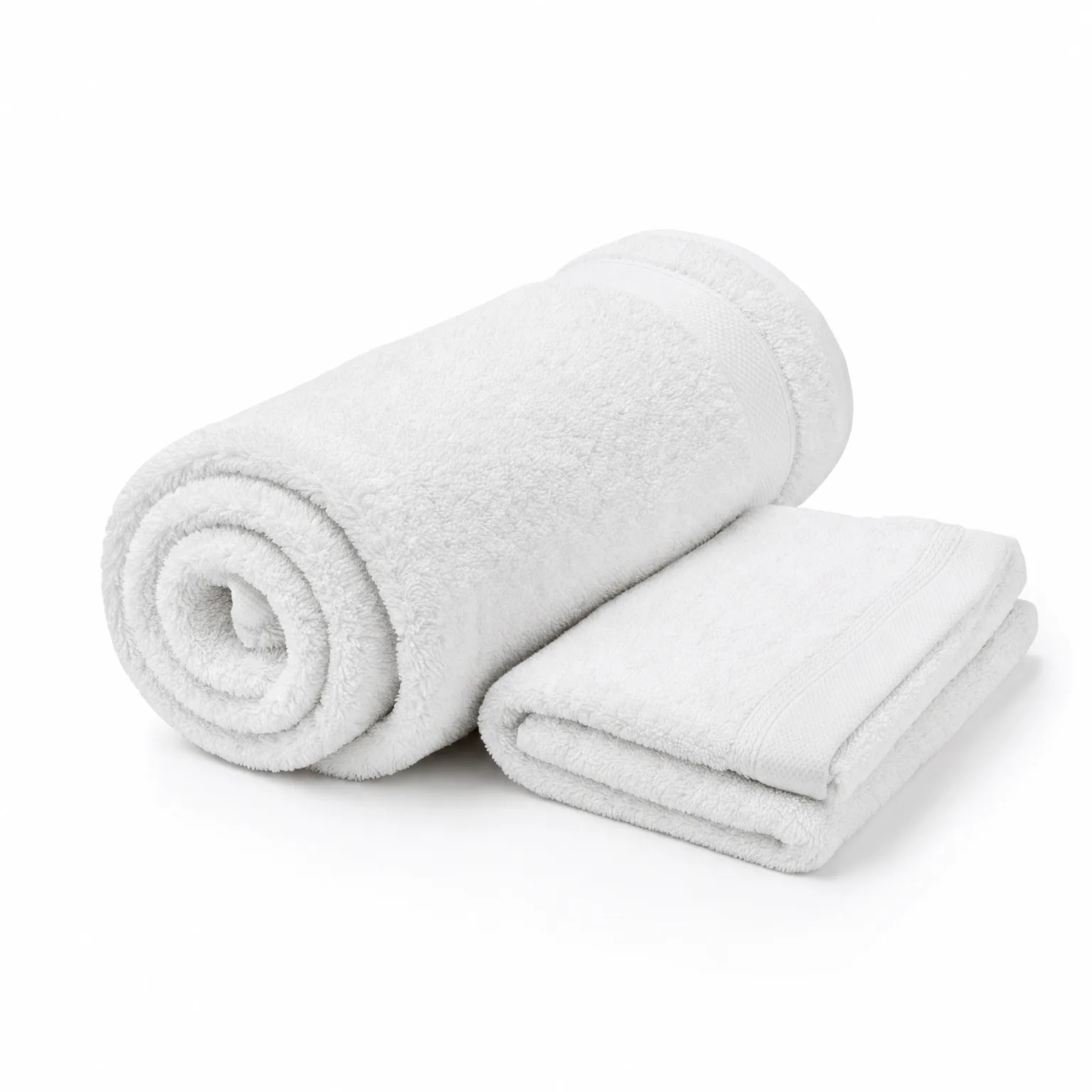
Towel
A towel doubles as sliders on a smooth floor, a stretching strap, a pulling tool for isometric exercises and padding for the knees.
Questions about acupressure mat
What does an acupressure mat do?
It presses many small points into the skin under your body weight. That produces a prickling feeling followed by warmth and redness in the area, and many users say they feel relaxed afterwards. Studies are small and mixed, and it has not been shown to treat any condition.
Does an acupressure mat hurt?
It is sharp and prickly for the first minute or two, more so on bare skin and on a hard surface. For most people the feeling then settles into a warm, heavy sensation. If it stays painful, add a layer of clothing, move to a softer surface or stop.
How long should you lie on an acupressure mat?
Beginners usually start with 5–10 minutes and work up to 15–20 minutes. Some people stay up to 30–40 minutes. There is no proven best duration, so let comfort decide.
Can you use an acupressure mat every day?
Daily use is common, and the marks on healthy skin usually fade within an hour or so. Skip a day if the skin is sore or irritated. People with the conditions listed in the maker's warnings should check with a doctor before starting.
Is an acupressure mat the same as acupuncture?
No. Acupuncture uses fine needles inserted through the skin at chosen points by a trained practitioner. The mat presses plastic points against the surface of the skin over a wide area and does not target specific points.
Build programs around what your client has
This guide comes from OnlineFitness.app, the app online coaches run their clients in.
Free for life for the first 100 coachesNo card