Multi-grip bar
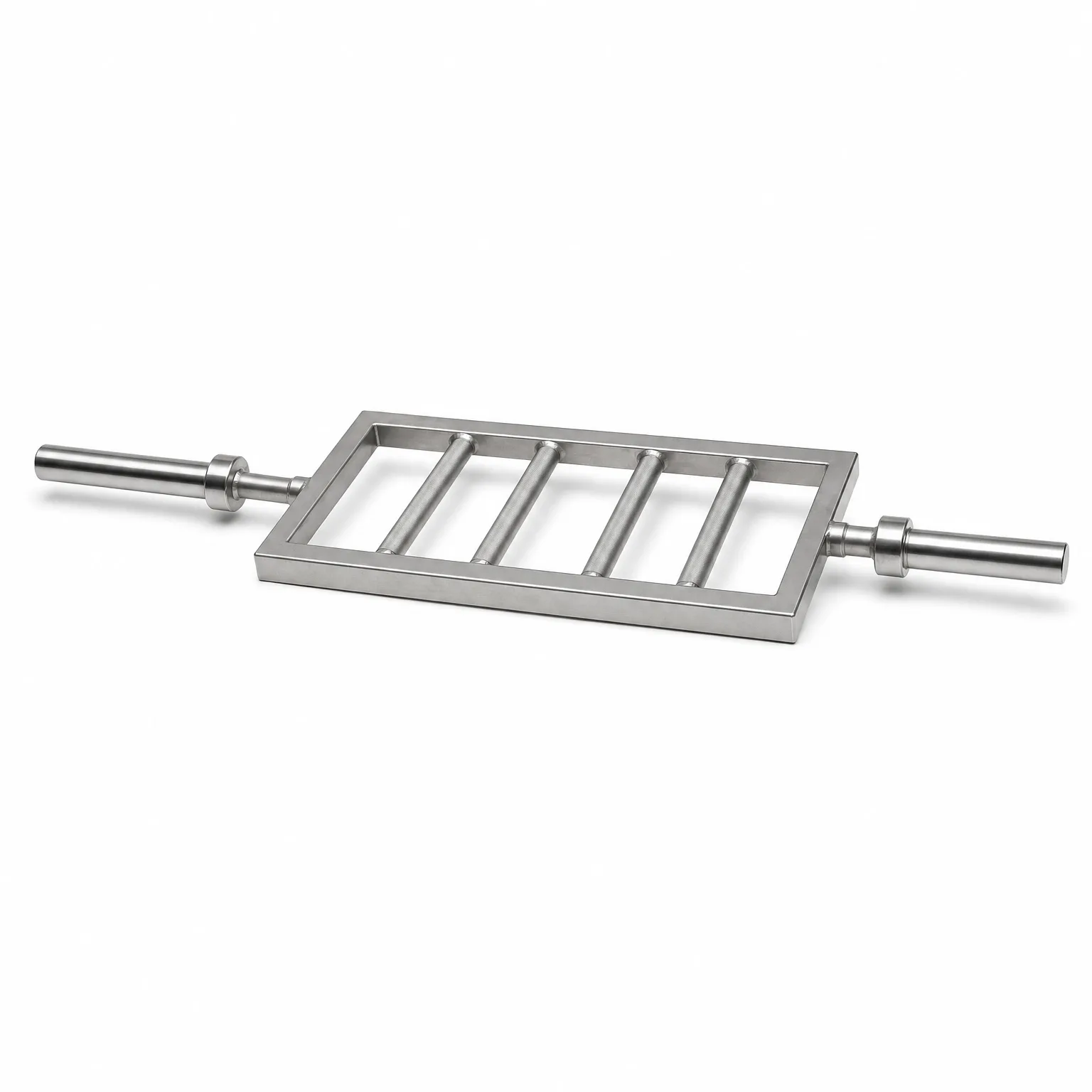
A barbell with a frame of parallel or angled handles in the middle. It lets you press, row and curl with your palms facing each other.
In short
A multi-grip bar is a barbell whose center is a rectangular frame with several pairs of handles set parallel or at an angle. You hold it with the palms facing each other, or partly turned, instead of the palms-forward grip a straight bar forces. Plates load on the sleeves as usual.
It is used mostly for bench and overhead pressing, rows, hammer curls and triceps extensions. It suits lifters who find a straight bar uncomfortable on the shoulders, elbows or wrists, and anyone who wants a pressing variation that tends to put more work on the triceps.
- Category
- Free weights
- Where
- Gym, Home
- Level
- Intermediate and up
- Space
- Needs a dedicated area
- Typical sizes
- Usually 13–25 kg (30–55 lb) and 1.8–2.1 m (6–7 ft) long, with 2–4 pairs of handles; check the stated weight of the bar
- Also called
- swiss bar, football bar, neutral grip bar, multi grip barbell, cambered swiss bar
What it is used for
- Bench, floor and incline presses with a neutral or angled grip
- Overhead presses with the elbows in front of the body
- Bent-over rows with the palms facing each other
- Hammer curls and lying triceps extensions
- A pressing variation to rotate with the straight bar
Types
Swiss bar. Handles run parallel to each other, giving a true neutral grip at two to four widths.
Football bar. Handles are angled, somewhere between neutral and a straight-bar grip. Many lifters find this the most natural for pressing.
Cambered. The handle frame is offset from the sleeves, which adds range of motion at the bottom of a press and makes the bar less stable.
Short hammer curl bar. A compact frame with two or three grips for curls and extensions. Too short to sit on a rack.
How to choose
Angled or parallel handles
Angled handles suit pressing for most people. Fully parallel handles suit rows, curls and extensions, and lifters who want the elbows tight to the body.
Check the rack fit
The frame is wide, so the straight section between frame and sleeve can be short. Make sure it reaches both hooks of your rack, and that the bar is long enough for it.
Look at grip widths
You need at least one pair of handles about shoulder width and one wider. A bar whose narrowest grip is too wide is of little use for triceps work.
Know its weight
These bars do not weigh a standard 20 kg. Read the stamp or the maker's listing and log it.
How to start using it
- Rack it so it cannot spin. The frame makes the bar want to rotate on the hooks. Set it with the handles in the position you will press from and take your grip before you unrack.
- Start with the middle handles. Take the pair closest to shoulder width. Wrists stay straight and stacked over the elbows through the whole rep.
- Tuck the elbows. On a bench press, lower the bar to the lower chest with the elbows about 30 to 45 degrees from your sides. On many bars the frame touches the chest a little sooner than a straight bar would, unless the bar is cambered.
- Use less than your straight-bar weight. The bar is less stable and the grip is new. Start well below your usual pressing weight and build up over a few sessions.
Common mistakes
Letting the bar tilt
The bar's weight sits around the frame, so it rocks forward and back more easily than a straight bar. Squeeze the handles hard and keep the knuckles pointing at the ceiling.
Flaring the elbows
Pressing with a neutral grip and elbows straight out to the sides fights the bar's design. Keep the elbows closer to the body.
Counting it as 20 kg
Many multi-grip bars are lighter than an Olympic bar, some are heavier. Guessing the weight makes your log meaningless.
Picking the widest grip by habit
The widest handles copy a straight-bar bench position and shorten the range. Use the grip that lets the forearms stay vertical at the bottom.
What to use instead
Dumbbells give the same neutral grip for presses, rows and curls, and let each arm move freely; the limit is how heavy a pair you can get into position. A straight barbell covers the same lifts with a palms-forward grip. For curls and triceps extensions, an EZ bar gives a partly turned grip that sits between a straight bar and a neutral one.
-

Dumbbells
A pair of short handles with a weight at each end. One pair trains every major muscle group, at home or in a gym. -
Barbell
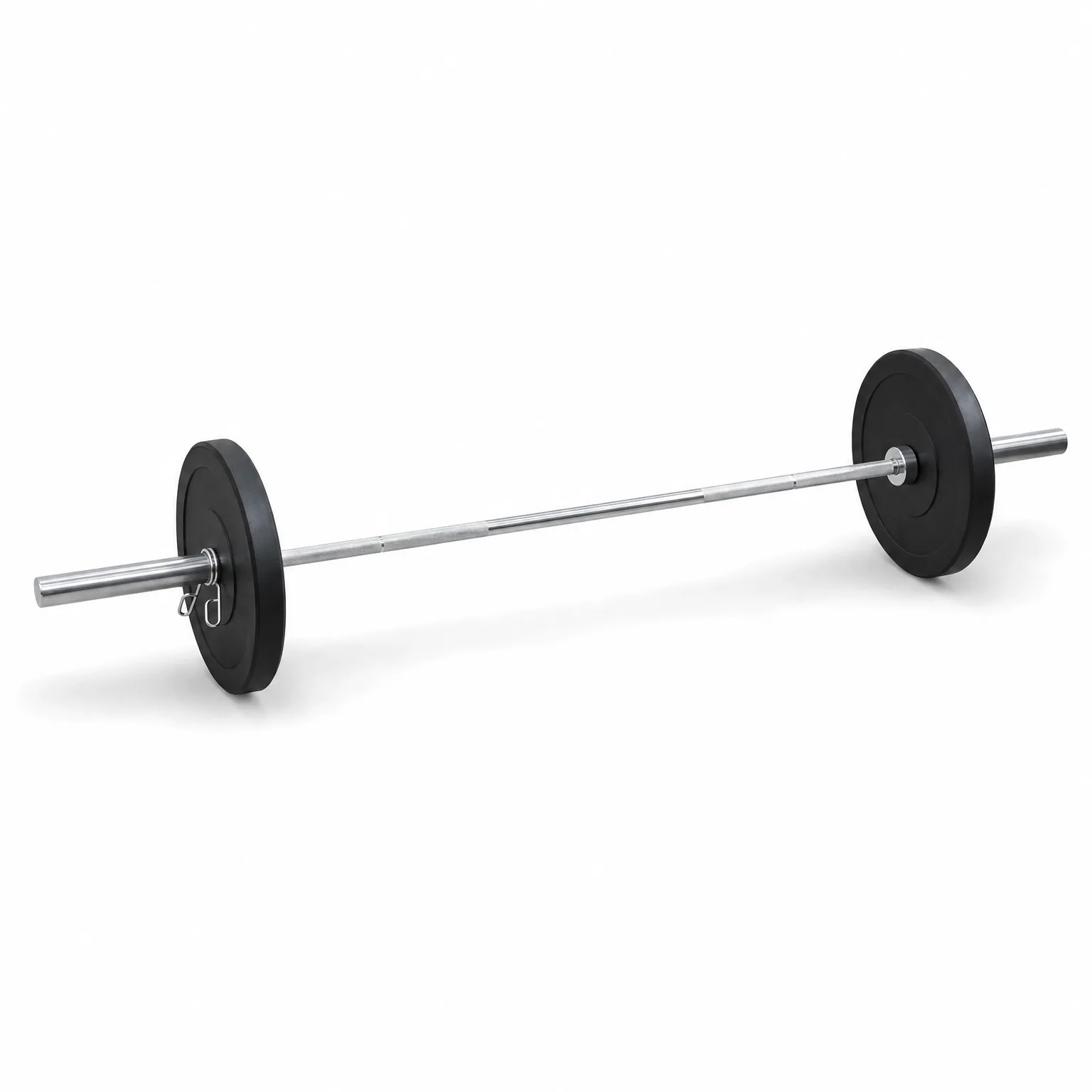
A long steel bar loaded with plates at both ends. The standard tool for squats, deadlifts, presses and rows with heavy weight. -
EZ curl bar
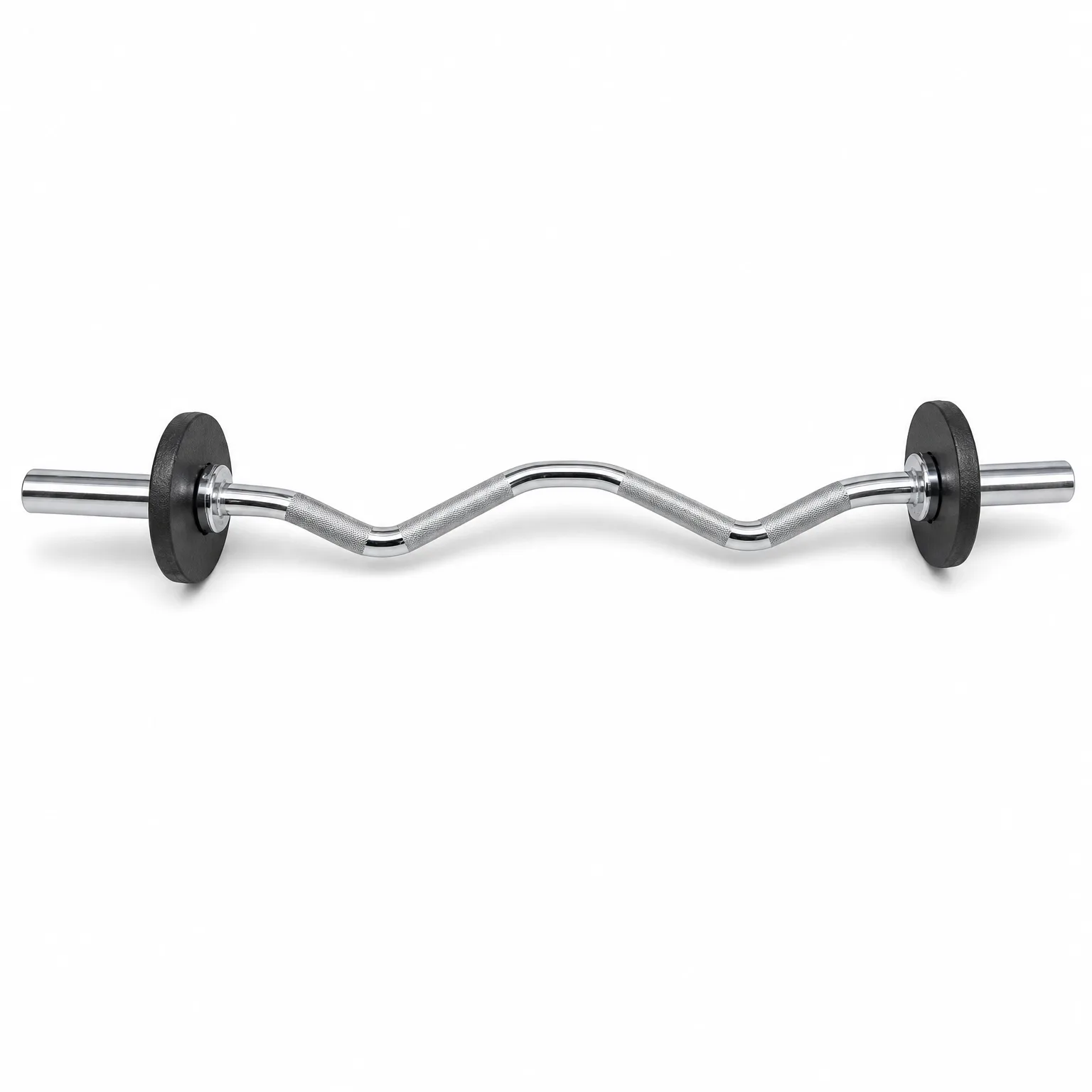
A short barbell with a zigzag grip section. The angled handles turn the wrists slightly inward for curls and triceps extensions.
Often used with
-

Weight bench
A padded bench you lie, sit or lean on while lifting. It supports the body for presses, rows, hip thrusts and seated work. -
Squat rack
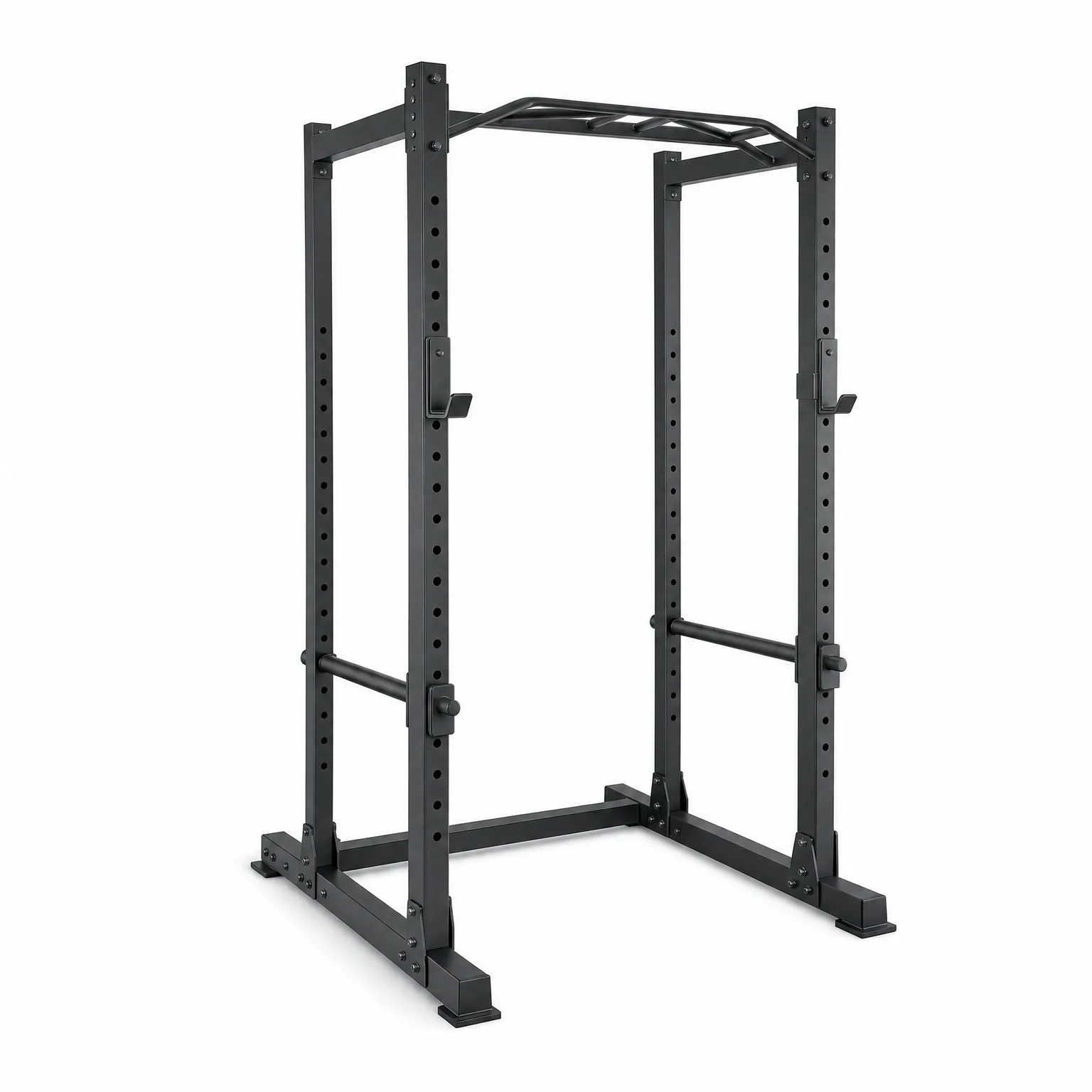
A steel frame that holds a barbell at the height you need and catches it if a rep fails. The base for squats and presses. -
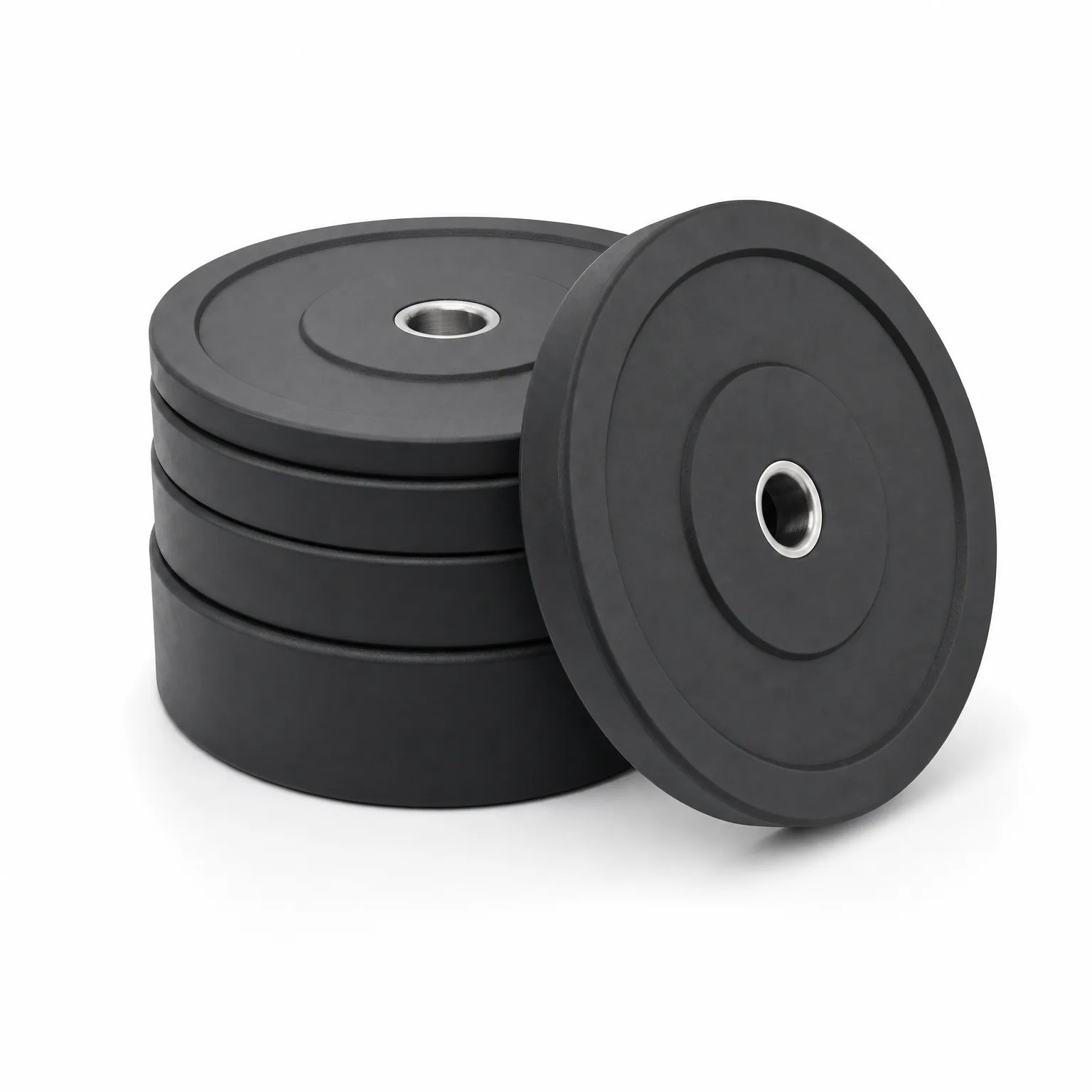
Weight plates
Flat discs that slide onto a barbell or machine to set the load. A single plate also works as a hand-held weight. -
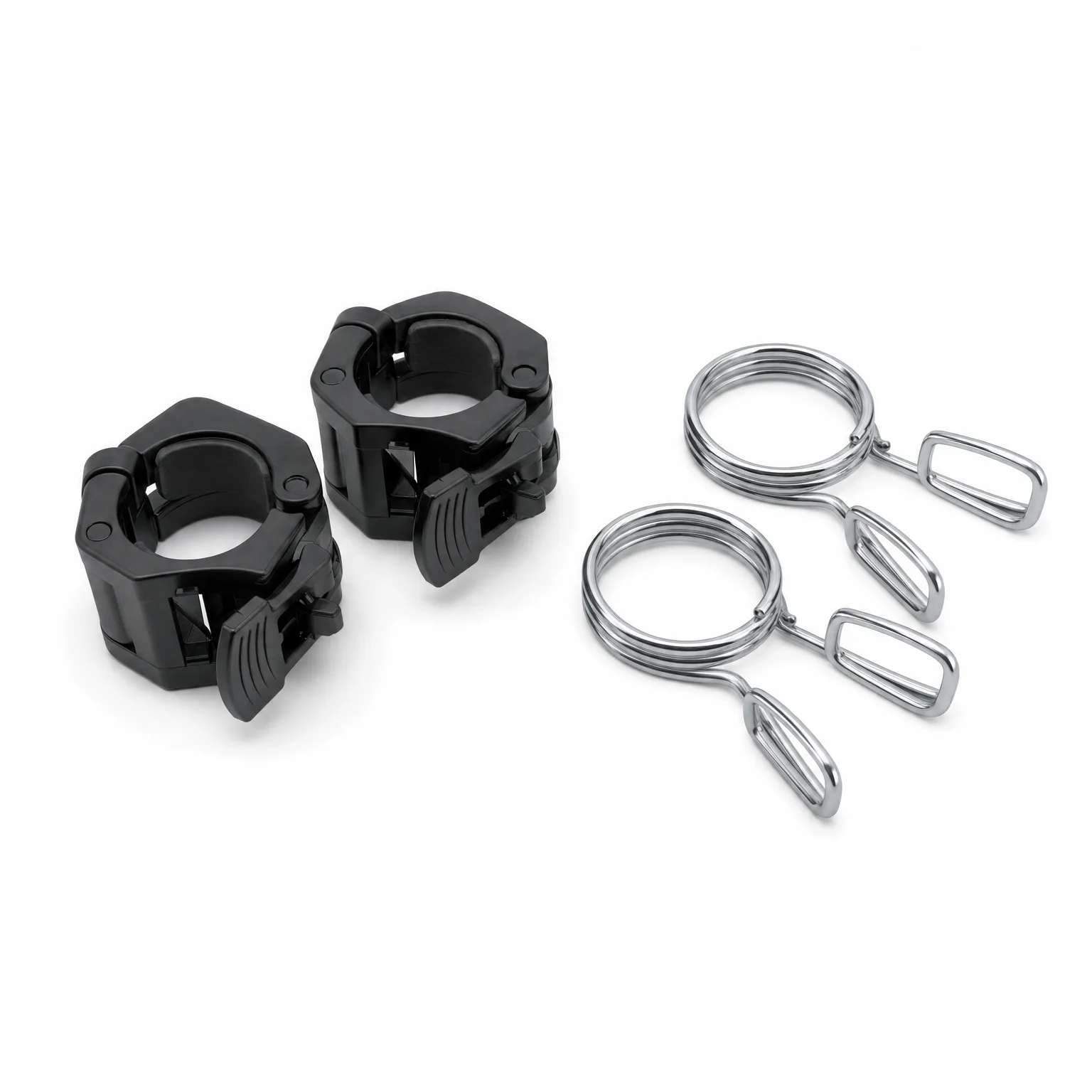
Barbell collars
Clips or clamps that slide onto the ends of a barbell and hold the weight plates in place so they cannot shift or slide off.
Questions about multi-grip bar
What is a Swiss bar used for?
Mainly pressing with a neutral grip: bench, floor, incline and overhead presses. It is also used for rows, hammer curls and lying triceps extensions. Lifters often rotate it with a straight bar for variety or when the palms-forward grip feels uncomfortable.
How much does a multi-grip bar weigh?
There is no standard. Most weigh between 13 and 25 kg (30 to 55 lb) depending on length and the number of handles. Check the bar itself or the maker's listing.
Swiss bar vs football bar: what is the difference?
A Swiss bar has handles parallel to each other for a fully neutral grip. A football bar has angled handles, so the hands sit between neutral and palms forward. Both are multi-grip bars and are used for the same lifts.
Is a multi-grip bar bench press harder?
Most people press somewhat less with it. The bar is less stable, the elbows stay closer to the body, and the triceps take a larger share of the work than in a wide straight-bar bench press.
Build programs around what your client has
This guide comes from OnlineFitness.app, the app online coaches run their clients in.
Free for life for the first 100 coachesNo card