Equipment Benches, racks and bars
Sit-up bench
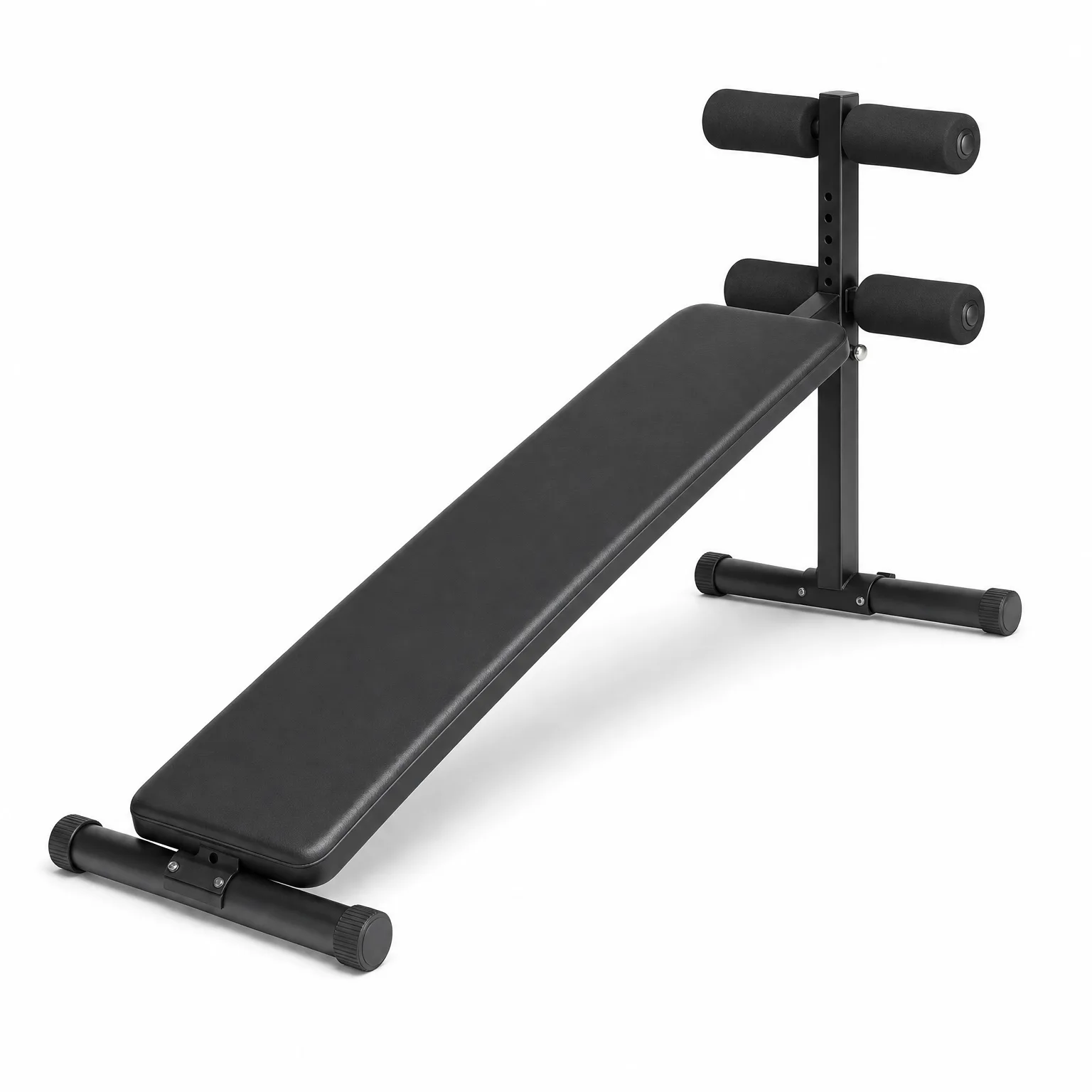
A padded board set at a decline with rollers that lock the feet. The slope makes sit-ups and crunches harder than on the floor.
In short
A sit-up bench is a long padded board fixed at a downward slope, with foam rollers at the high end that hold the ankles or knees. You lie with the head lower than the hips and sit up against gravity. The steeper the angle, the more of your body weight the abs and hip flexors have to lift and the longer the range.
It is a simple way to make trunk flexion exercises progressively harder without holding a weight. It suits home and gym users who have outgrown floor crunches. It differs from an adjustable weight bench, which may decline a little but is built for pressing.
- Category
- Benches, racks and bars
- Where
- Home, Gym
- Level
- Beginner and up
- Space
- Needs a corner of a room
- Typical sizes
- About 1.2–1.5 m (4–5 ft) long; decline usually adjustable from roughly 10 to 40 degrees
- Also called
- decline bench, ab bench, decline sit-up bench, abdominal bench, slant board, crunch bench
What it is used for
- Decline sit-ups and crunches
- Twisting sit-ups for the obliques
- Reverse crunches and leg raises, lying head-up and holding the rollers
- Weighted sit-ups with a plate or medicine ball
- Decline dumbbell presses on sturdier models
Types
Folding home bench. A light frame with a few angle settings that folds flat for storage. Enough for bodyweight work.
Curved board. The pad is arched to follow the lower back. More comfortable for some people, less suited to leg raises.
Commercial decline bench. A heavy welded bench with thick rollers and fine angle steps. Steady with added weight.
Adjustable bench with leg hold. A flat, incline and decline weight bench with a removable foot roller. Covers sit-ups and pressing with one unit.
How to choose
Look for several angle settings
You will start near flat and work steeper. A bench with only one or two angles leaves no easy step between too easy and too hard.
Check the rollers
Thick, dense foam that holds the shins or ankles without digging in. The roller position should adjust to your leg length so the knees stay bent.
Test the stability
Sit at the top and rock side to side. A narrow or light frame that shifts will be worse with a plate in your hands. The manufacturer's rating should cover your weight plus any load.
Measure where it will live
It needs its length plus room behind the head end to lie back. A folding model fits under a bed or behind a door.
How to start using it
- Start at the lowest decline. Set the shallowest angle. Sit at the top, hook the feet under the rollers with knees bent and lie back slowly.
- Curl up, do not hinge. Begin by tucking the chin slightly and lifting the shoulder blades, then roll up one section of the spine at a time. Hands rest across the chest or lightly at the temples.
- Lower for two to three seconds. The way down is where most of the work is. Lower under control until the shoulder blades touch the pad, then start the next rep without bouncing.
- Progress angle first, then load. When 12–15 smooth reps are easy, raise the decline one step. Once the steepest comfortable angle is easy, hold a light plate against the chest.
Common mistakes
Yanking on the neck
Hands clasped behind the head tend to pull it forward. Keep fingertips at the temples or arms crossed, with a fist of space between chin and chest.
Throwing the torso up
Swinging the arms or jerking from the bottom uses momentum and the hip flexors and takes the abs out. If you cannot rise smoothly, lower the angle.
Stiff straight back
Sitting up with the back held flat makes it mostly a hip flexor exercise and can feel uncomfortable in the lower back. Let the spine curl on the way up and uncurl on the way down.
Going too steep too soon
A steep decline puts the head well below the hips. Many people feel pressure in the head in that position, and getting off the bench is harder. Build up over weeks, sit up slowly at the end of a set, and go back to a shallower angle if you feel dizzy.
What to use instead
A mat on the floor covers crunches, sit-ups and reverse crunches at the easiest level, and hooking the feet under a sofa holds them the way the rollers do. An adjustable weight bench with a decline setting and a foot hold does the same job as a sit-up bench. In a gym, an ab crunch machine adds load to the same movement with a weight stack instead of a slope.
-

Exercise mat
A cushioned, non-slip surface for floor exercises, stretching and yoga. The first thing most people need to train at home. -
Weight bench
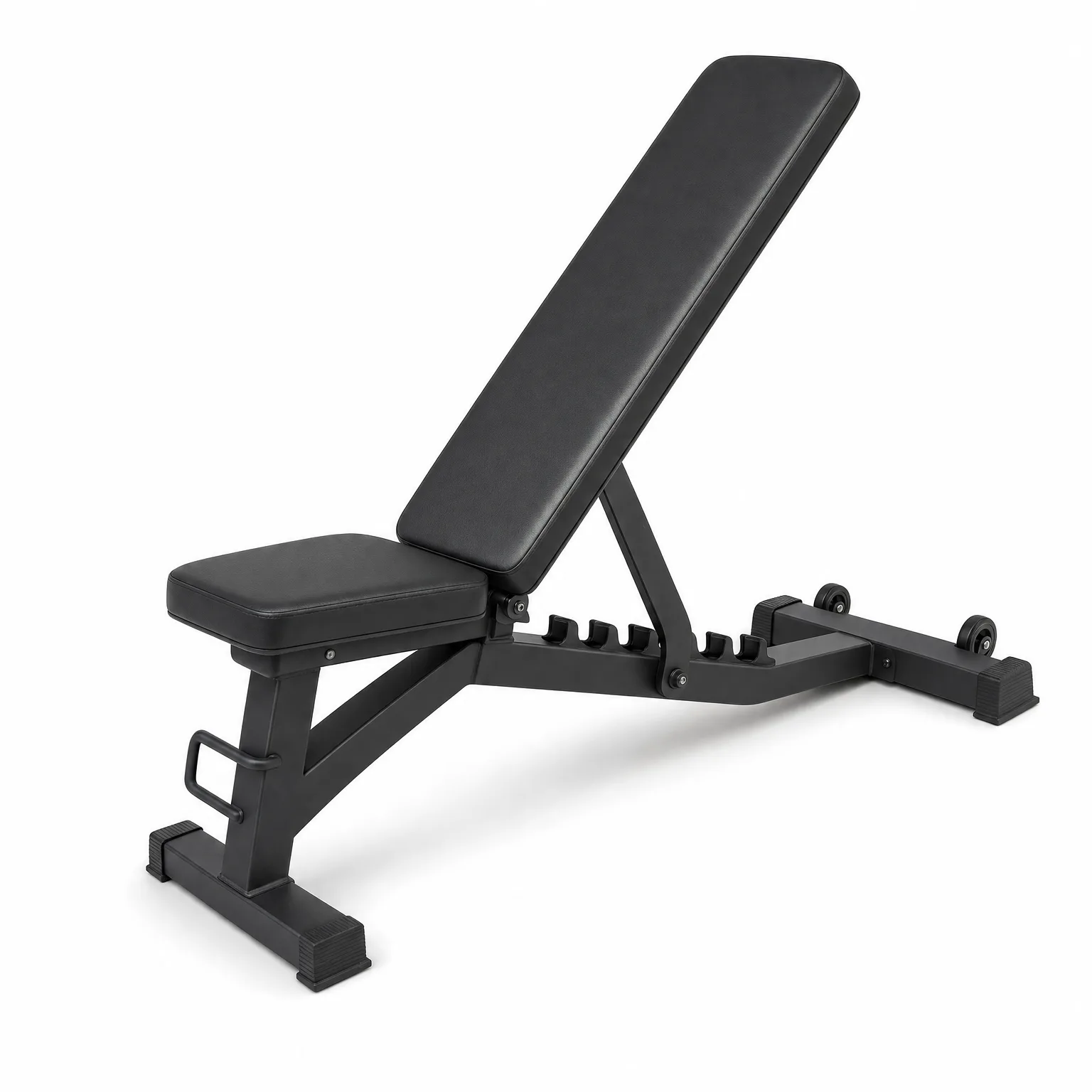
A padded bench you lie, sit or lean on while lifting. It supports the body for presses, rows, hip thrusts and seated work. -
Ab crunch machine
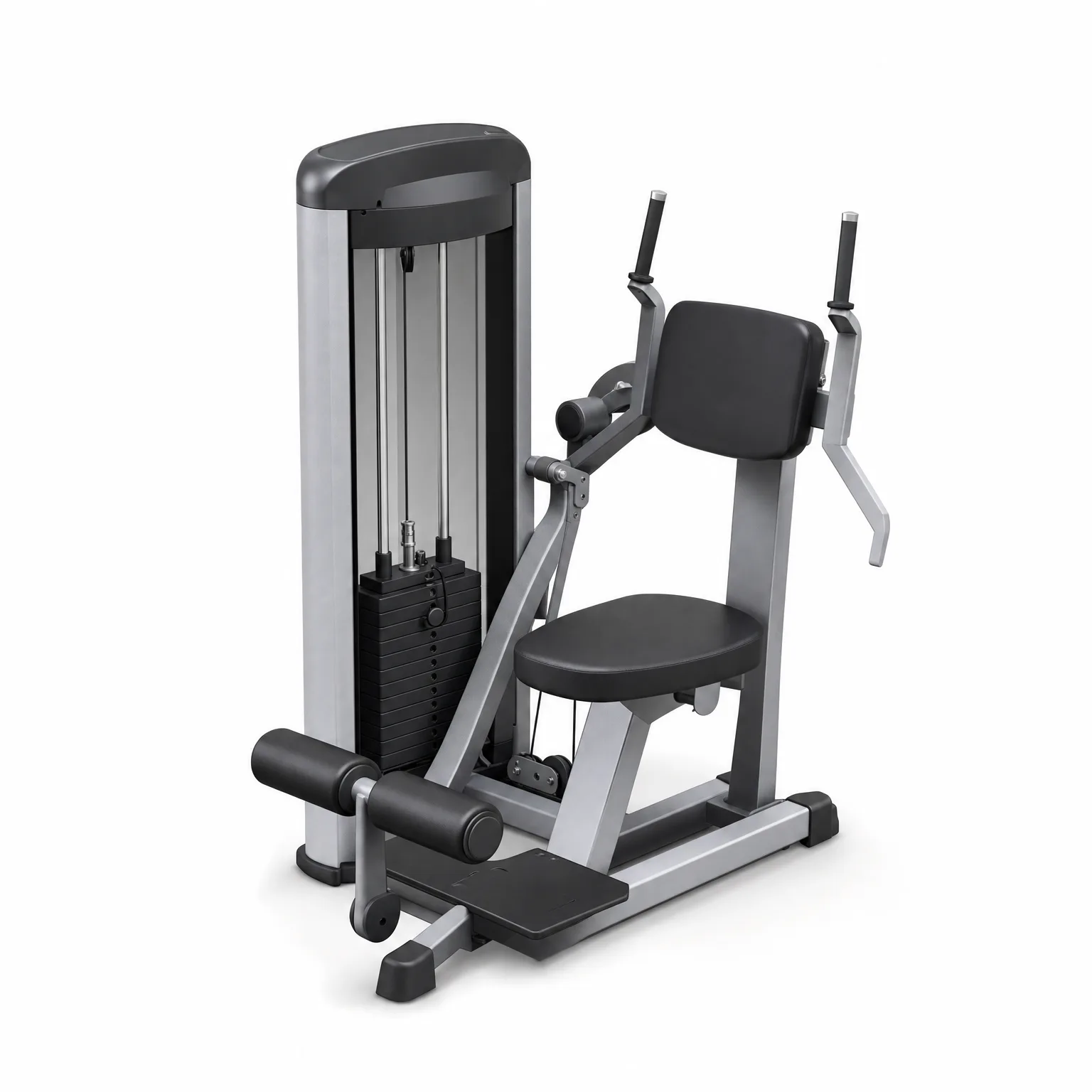
A seated machine that adds adjustable weight to the crunch. You curl the ribs toward the hips against a pad or handles. -
Sofa
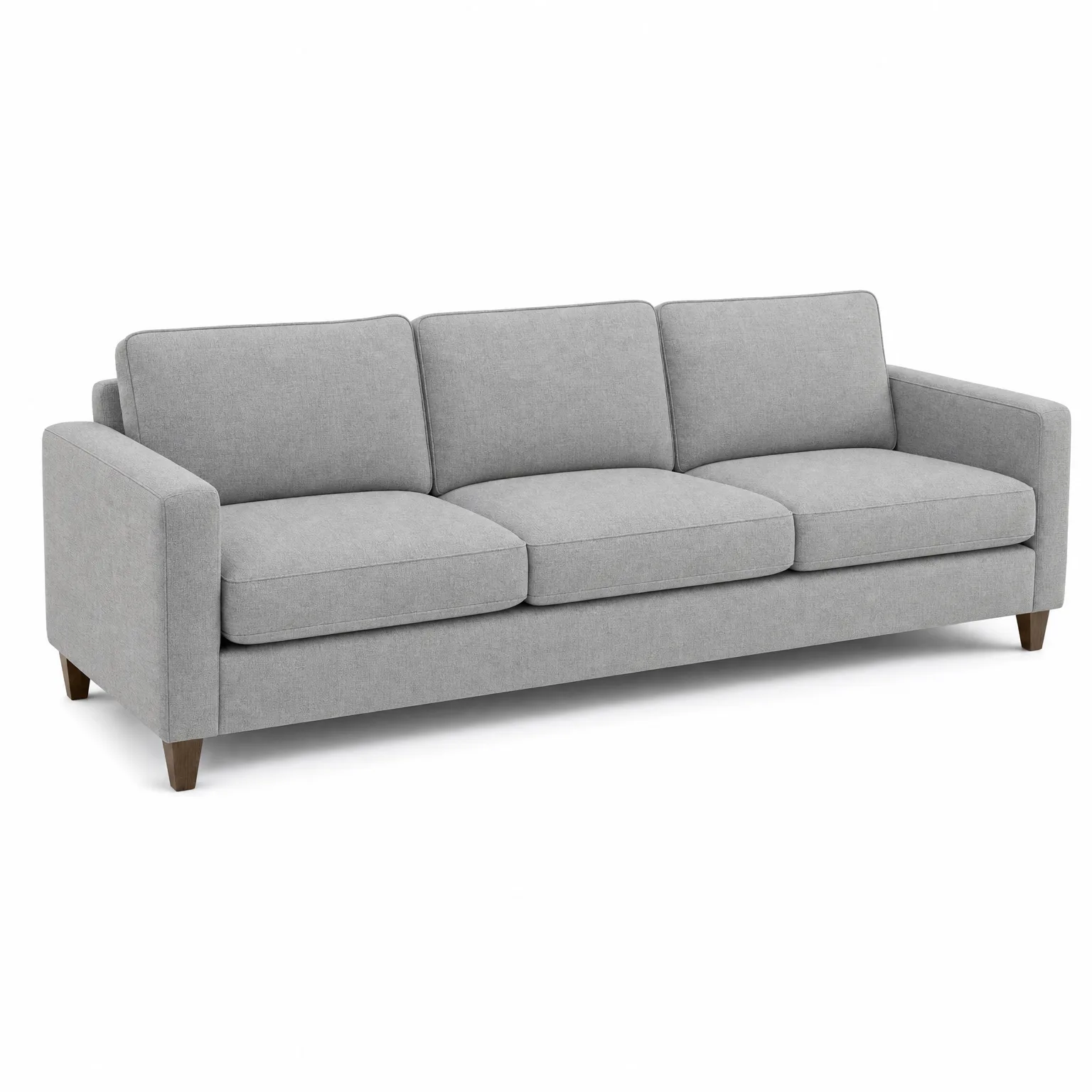
A sofa is a heavy, padded, knee-high platform: good for hip thrusts, split squats, incline push-ups and anchoring the feet for ab work.
Often used with
-
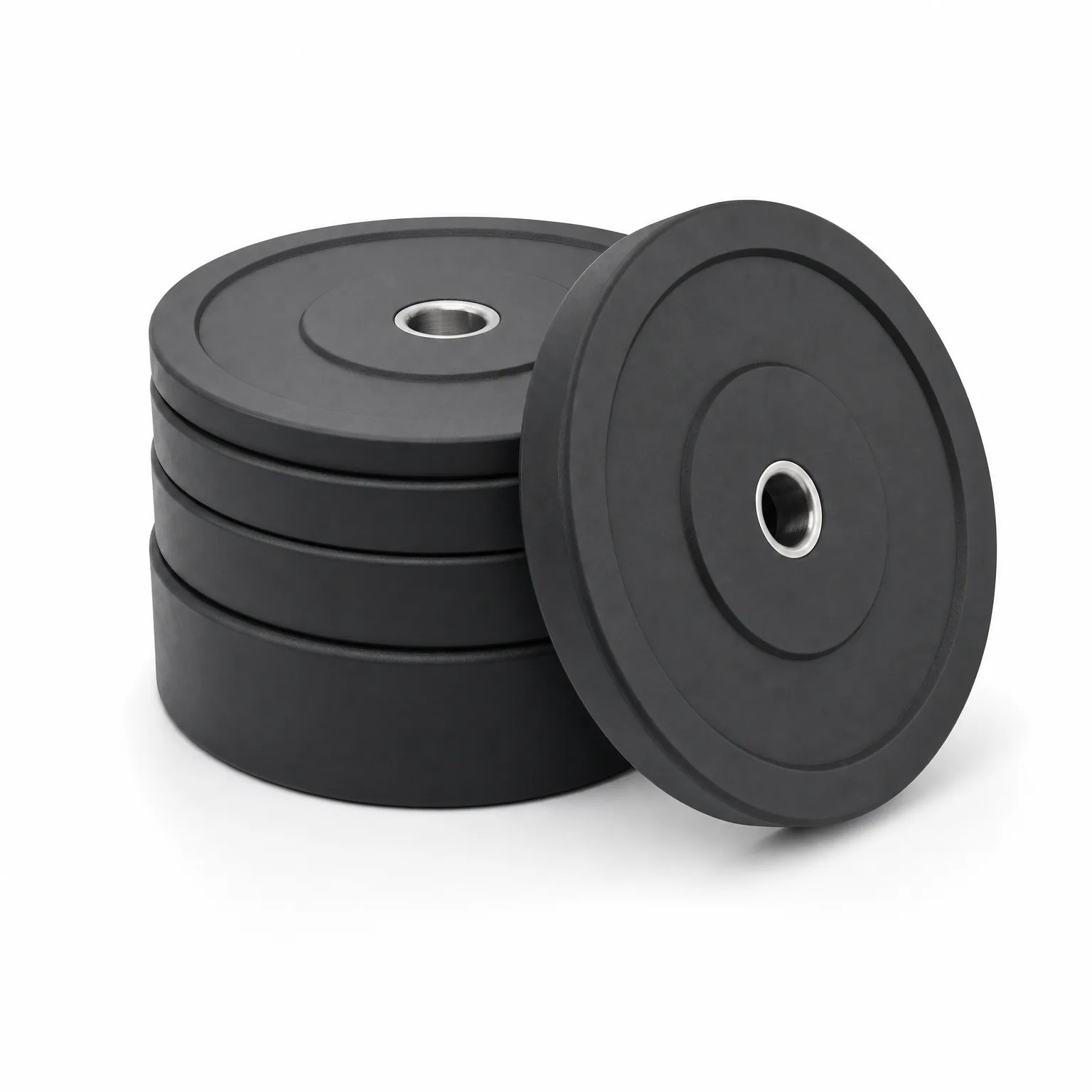
Weight plates
Flat discs that slide onto a barbell or machine to set the load. A single plate also works as a hand-held weight. -
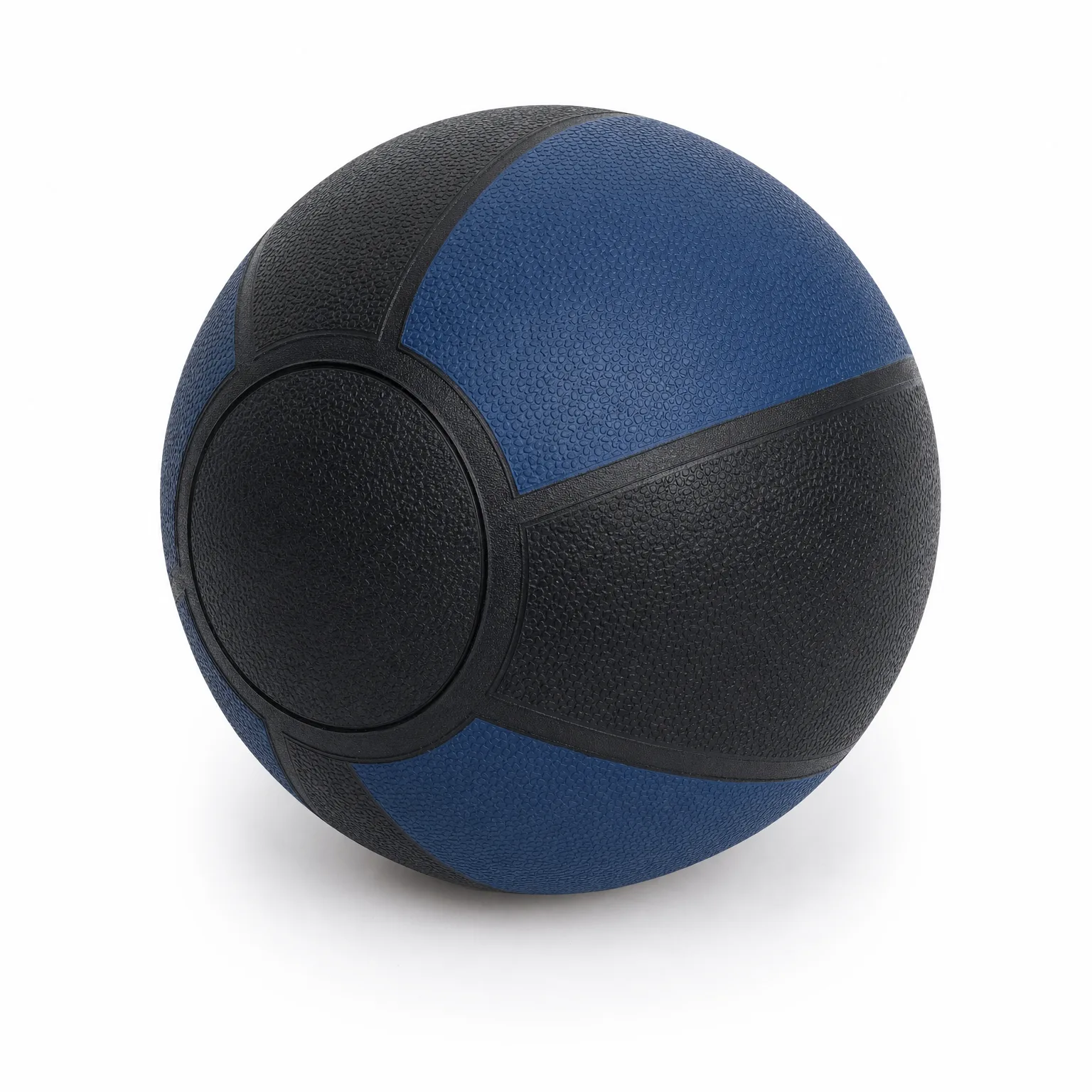
Medicine ball
A weighted ball you throw, catch and carry. Used for power throws, wall balls, partner drills and core exercises. -

Dumbbells
A pair of short handles with a weight at each end. One pair trains every major muscle group, at home or in a gym.
Questions about sit-up bench
Are decline sit-ups better than regular sit-ups?
They are harder, not different in kind. The slope adds resistance and range, so they are a way to keep progressing once floor sit-ups are easy. If floor sit-ups are still challenging for 10–15 reps, there is no need for a decline yet.
What angle should a sit-up bench be set at?
Start at the shallowest setting, around 10–15 degrees. Move one step steeper when you can do about 15 controlled reps. Most people train between 15 and 30 degrees, and steeper angles are for advanced users.
What muscles does a sit-up bench work?
The abs do the curling of the trunk, the obliques help and take over in twisting versions, and the hip flexors and front of the thighs pull the torso up from the hips, especially with the feet locked.
Will a sit-up bench give me a flat stomach?
It makes the abdominal muscles stronger and can make them larger. How visible they are depends on overall body fat, which comes down to diet and total activity. No exercise removes fat from one specific area.
Build programs around what your client has
This guide comes from OnlineFitness.app, the app online coaches run their clients in.
Free for life for the first 100 coachesNo card