Equipment Functional and conditioning
Twist board
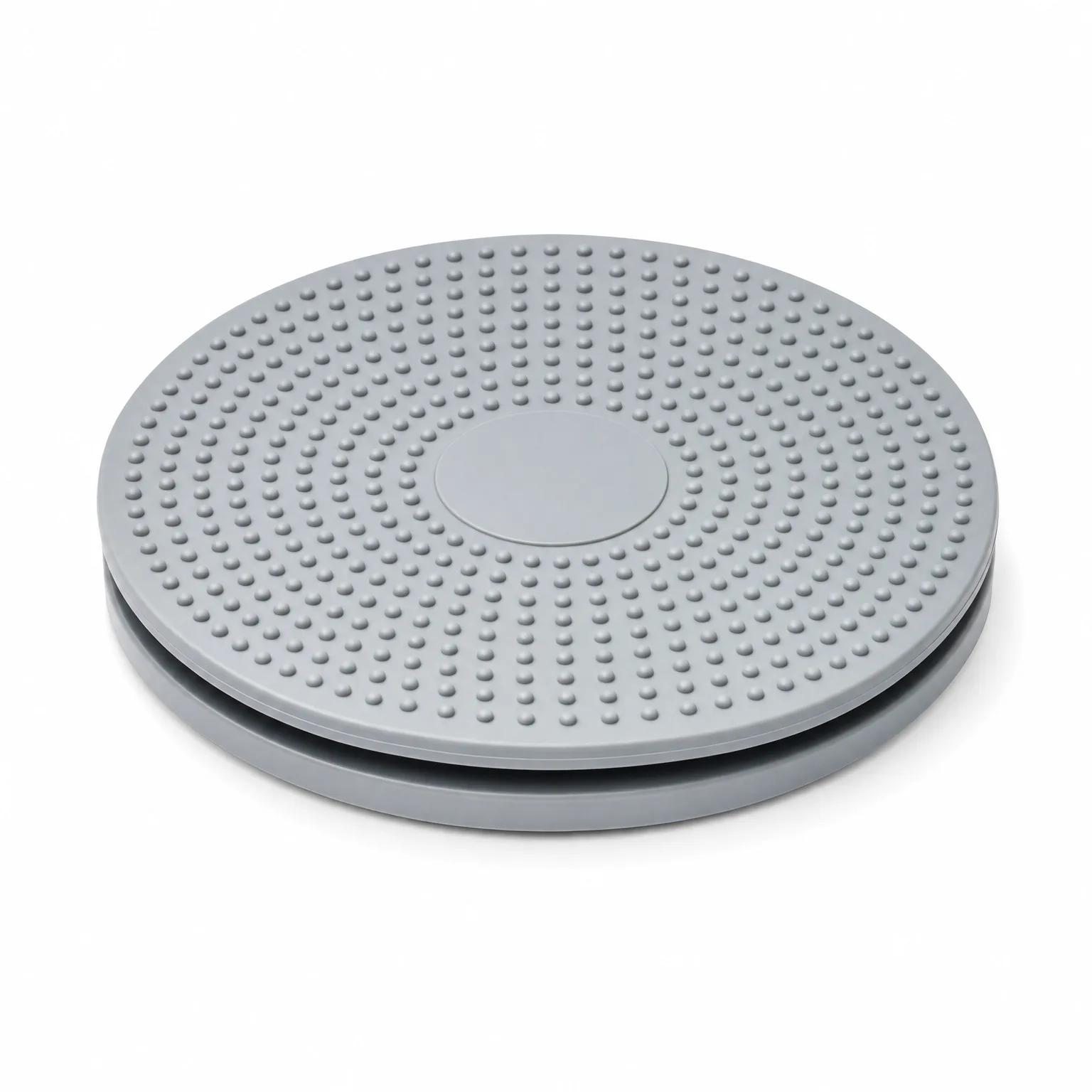
A small rotating disc you stand on and swivel your hips from side to side. Light, low-effort movement for the waist muscles.
In short
A twist board is a small round platform on a bearing. You stand on it and turn your hips and legs one way while the shoulders stay facing forward or turn the other way, then reverse. The movement is a repeated standing rotation that lightly works the obliques and other trunk muscles.
It is a cheap, compact home gadget, popular for light activity while watching television or as a warm-up for the trunk. It suits people who want easy movement. It is a mild exercise: it will not build much strength, and twisting does not remove fat from the waist.
- Category
- Functional and conditioning
- Where
- Home, Travel
- Level
- Beginner and up
- Space
- Fits in a drawer or a bag
- Typical sizes
- About 25–30 cm (10–12 in) across and 3–5 cm (1–2 in) high; curved balance versions are about 65 cm (26 in) long
- Also called
- waist twisting disc, twist disc, waist twister, ab twister board, twisting waist disc, figure twister, twist plate
What it is used for
- Easy standing twists as light daily movement
- Warming up the trunk and hips before a workout
- Seated twists on a chair or the floor for a smaller range
- Hand-supported rotations in a push-up position with a hand on the disc
Types
Plain twisting disc. Two plastic plates with ball bearings between. The basic, most common type.
Disc with massage nubs. Raised bumps on the top press into the soles. This changes the feel underfoot, not the exercise. Magnets in some models have no demonstrated training effect.
Disc with resistance cords. Elastic cords with handles attach to the disc so the arms can pull while you twist.
Curved twist balance board. A long board with a rounded underside that rocks and swivels on the floor. Adds a balance element and needs a mat or carpet.
How to choose
Check the bearing
The top plate should turn smoothly without grinding or wobbling. A rough or loose bearing makes the movement jerky.
Non-slip top and bottom
Look for a textured standing surface and rubber feet or a rubber ring underneath, so the base stays put while the top turns.
Size for your feet
A disc of about 28–30 cm (11–12 in) lets most adults place both feet fully on it. On smaller discs the heels or toes hang over the edge.
Check the rating
The load a disc can take depends on the manufacturer's rating. Thin plastic models can crack, so compare the stated limit with your body weight.
How to start using it
- Set it up beside a support. Place the disc on a flat, hard, non-slip floor next to a wall, a counter or the back of a sturdy chair. Hold the support while you step on, one foot at a time, with the feet either side of the center.
- Bend the knees slightly. Stand tall with soft knees and the abs lightly braced. Soft knees let the rotation come from the hips and trunk instead of twisting through locked knee joints.
- Twist slowly and in a small range. Turn the hips to one side while the chest stays facing forward, then to the other. Keep the range small and comfortable, well short of a quarter turn each way, at a steady, controlled pace.
- Start with a few minutes. Do 2–5 minutes and see how the back, hips and knees feel the next day. Build up gradually if you want longer sessions.
Common mistakes
Twisting fast with momentum
Flinging the hips from side to side lets momentum carry the spine to the end of its range under no control. Slow down and stop each turn with the muscles.
Locked knees
With straight legs and planted feet, the rotation is taken up by the knees. Keep them bent and let the feet turn with the disc.
Expecting a slimmer waist
Exercising a body part does not burn the fat over it. A twist board is light activity. Changes in waist size come from overall diet and activity.
Using it on carpet or a slippery floor
On thick carpet the base sinks in and the disc may not turn freely. On polished tile the whole disc can skate. Use a firm, grippy surface.
Stepping on off-center
Putting one foot on the edge tips or spins the disc before you are balanced. Hold a support and place the feet evenly.
What to use instead
A hula hoop gives a similar rhythmic waist movement with more effort. Standing twists with a broomstick across the shoulders are the same rotation with no disc. A mini stepper is a better choice for light cardio in a small space. A balance board covers the balance side of the curved twist boards. For stronger obliques, side planks and controlled rotation exercises with a band do more.
-
Hula hoop
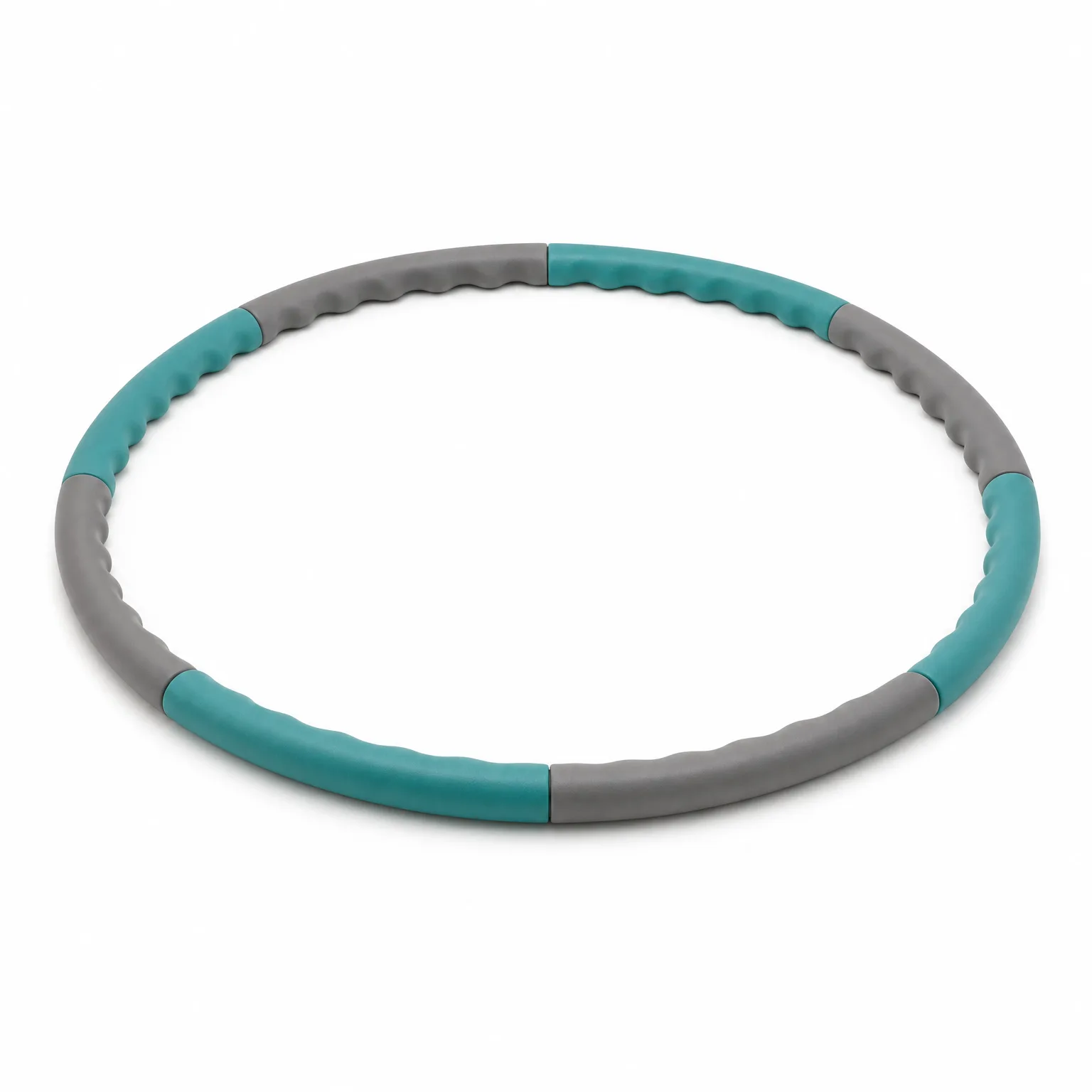
A large hoop you keep spinning around the waist with small hip movements. Fitness versions are bigger and heavier than a toy hoop. -
Broomstick
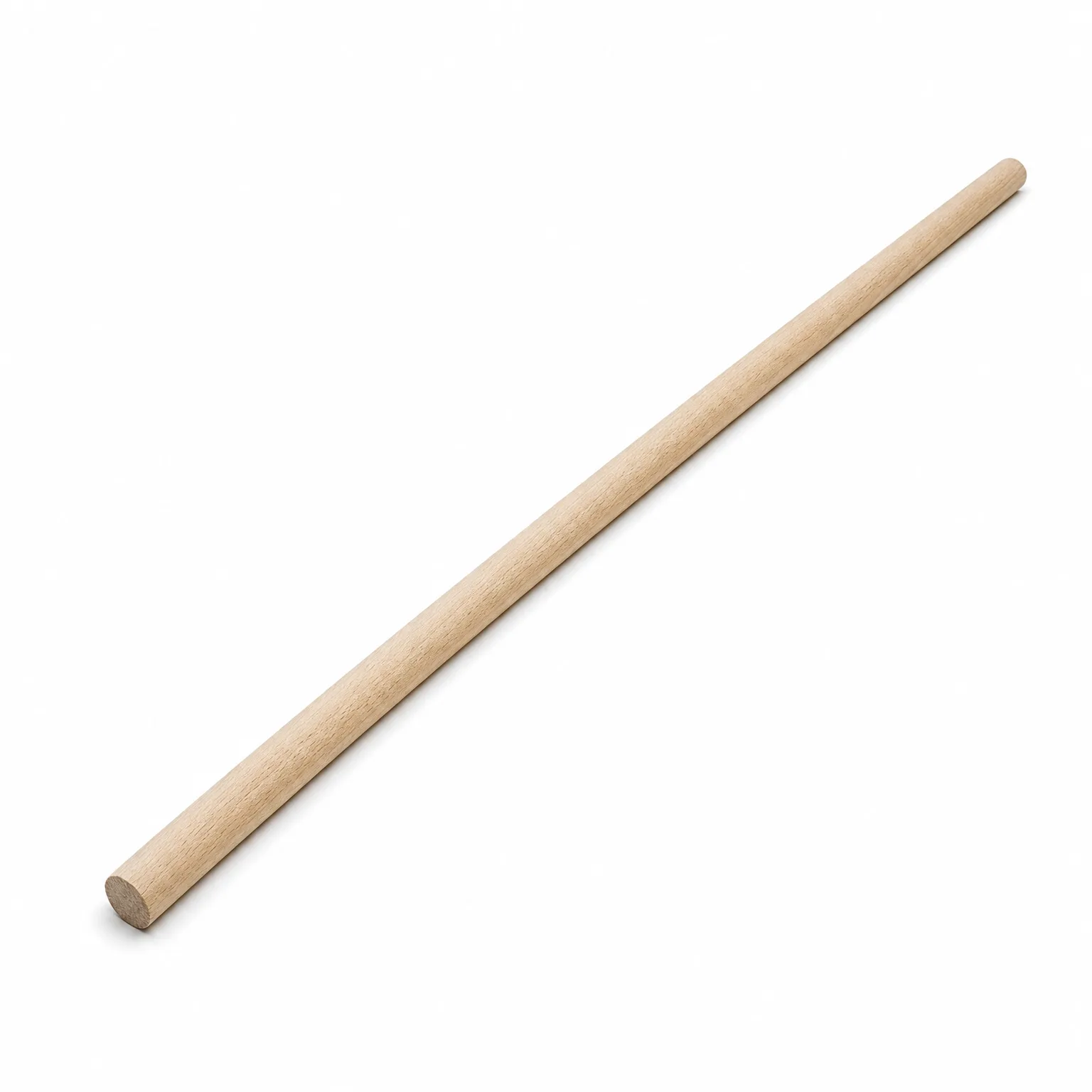
A broom handle, wooden dowel or PVC pipe is a weightless bar for shoulder mobility drills, warm-ups and learning barbell technique. -
Mini stepper
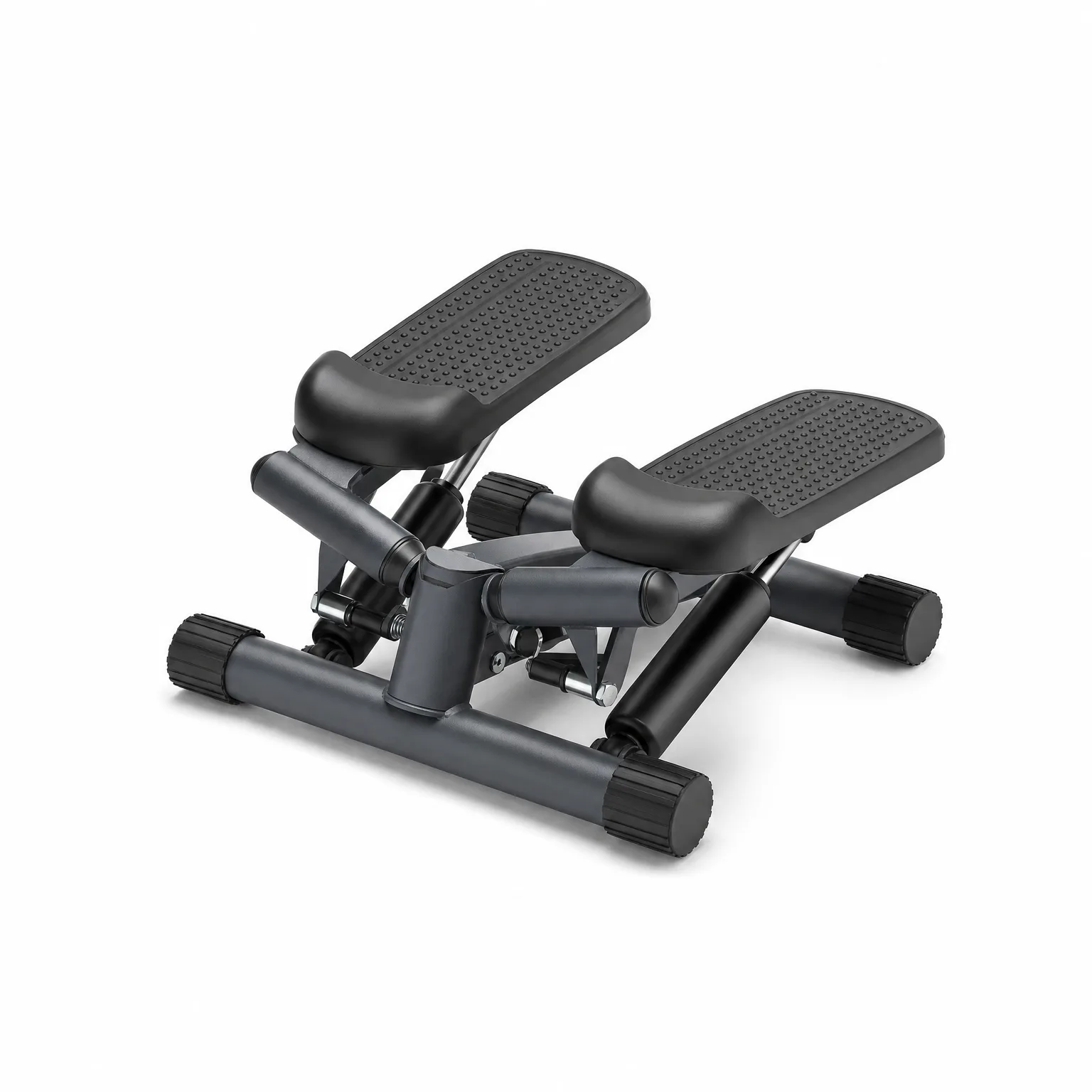
A small home machine with two pedals on hydraulic cylinders. You step in place to train the legs and raise the heart rate. -
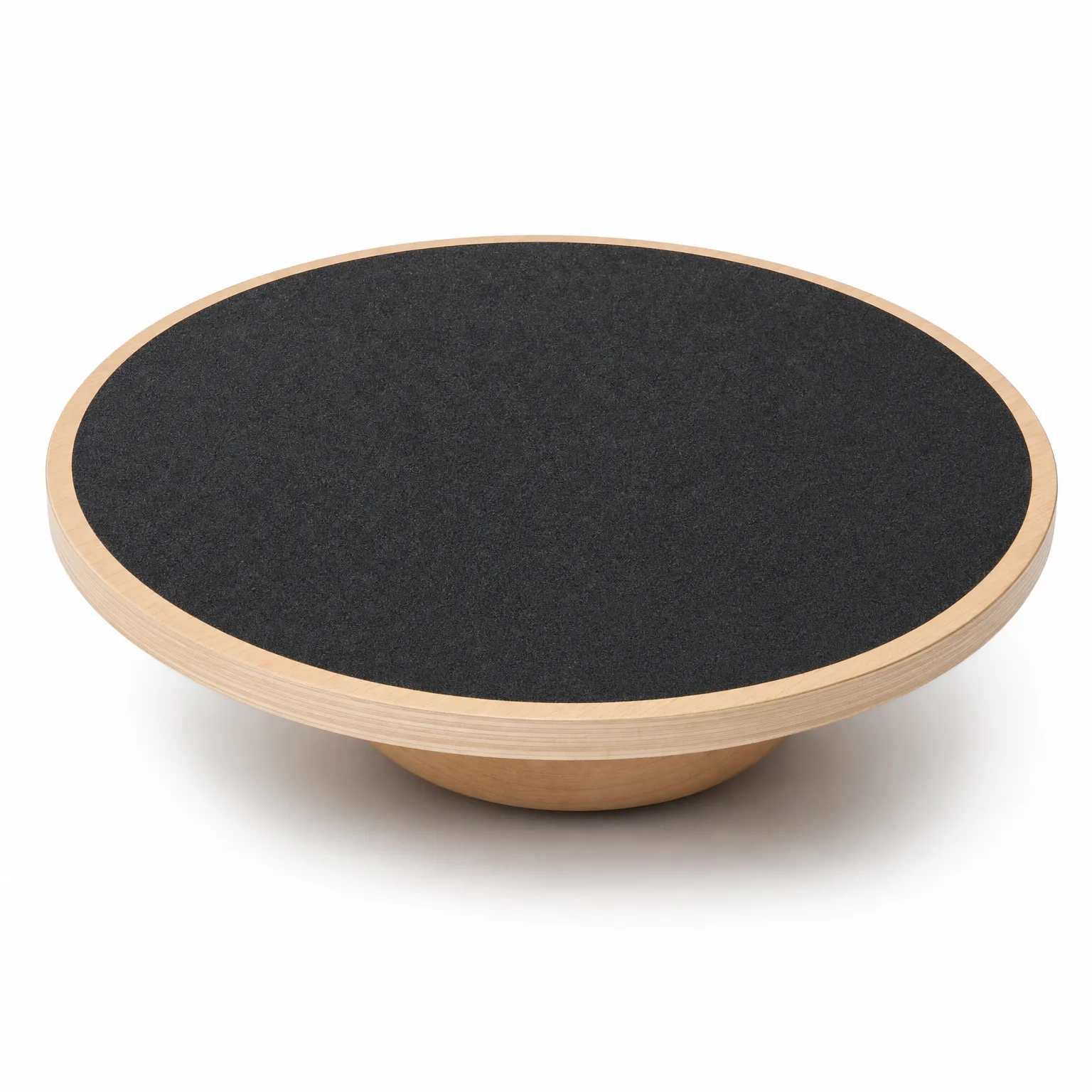
Balance board
A flat board on a rounded base that tilts under your feet. Standing on it trains balance and the muscles around the ankles, knees and hips.
Often used with
-
Wall
A clear stretch of solid wall works as support, a balance aid and a fixed surface to push against: wall sits, wall push-ups, stretches. -
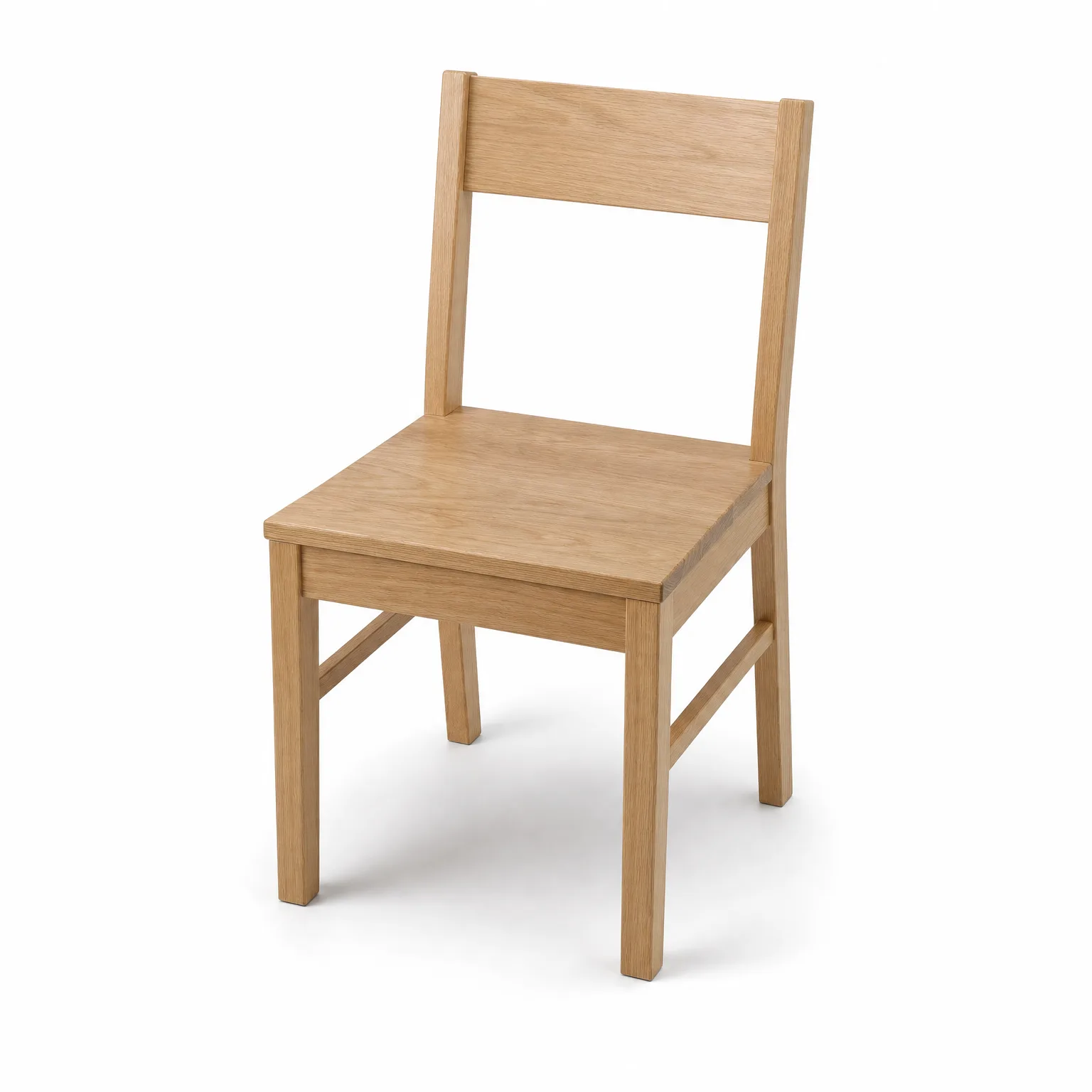
Chair
A sturdy household chair stands in for a bench, a low box or dip bars: sit-to-stands, step-ups, dips, split squats and incline push-ups. -
Hula hoop
A large hoop you keep spinning around the waist with small hip movements. Fitness versions are bigger and heavier than a toy hoop. -

Exercise mat
A cushioned, non-slip surface for floor exercises, stretching and yoga. The first thing most people need to train at home.
Questions about twist board
Does a twist board reduce belly or waist fat?
No, not specifically. Fat loss cannot be targeted to one area by exercising it. A twist board adds a little daily movement, which counts toward your overall activity, but the energy used is modest.
What muscles does a twist board work?
Mainly the obliques at the sides of the waist, with the abs and the deeper trunk muscles helping to control the turn. The hips, thighs and calves work lightly to keep you balanced. The load is low, so it is mobility and light activity more than strength training.
Is a twist board bad for your back or knees?
Fast, forced twisting at the end of the range puts stress on the spine and knees, and that is the main risk. Slow, small, controlled turns with bent knees are how it is meant to be used. If you have a back, hip or knee problem, ask a doctor or physical therapist first.
How long should I use a twist board?
Start with 2–5 minutes. Many people settle on 10–15 minutes a day in one or several short bouts. There is no proven ideal dose.
Build programs around what your client has
This guide comes from OnlineFitness.app, the app online coaches run their clients in.
Free for life for the first 100 coachesNo card